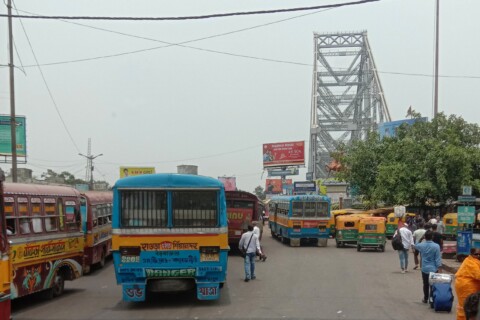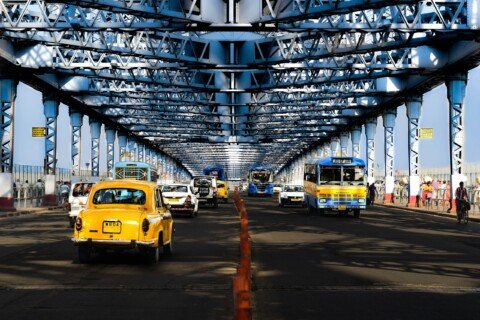



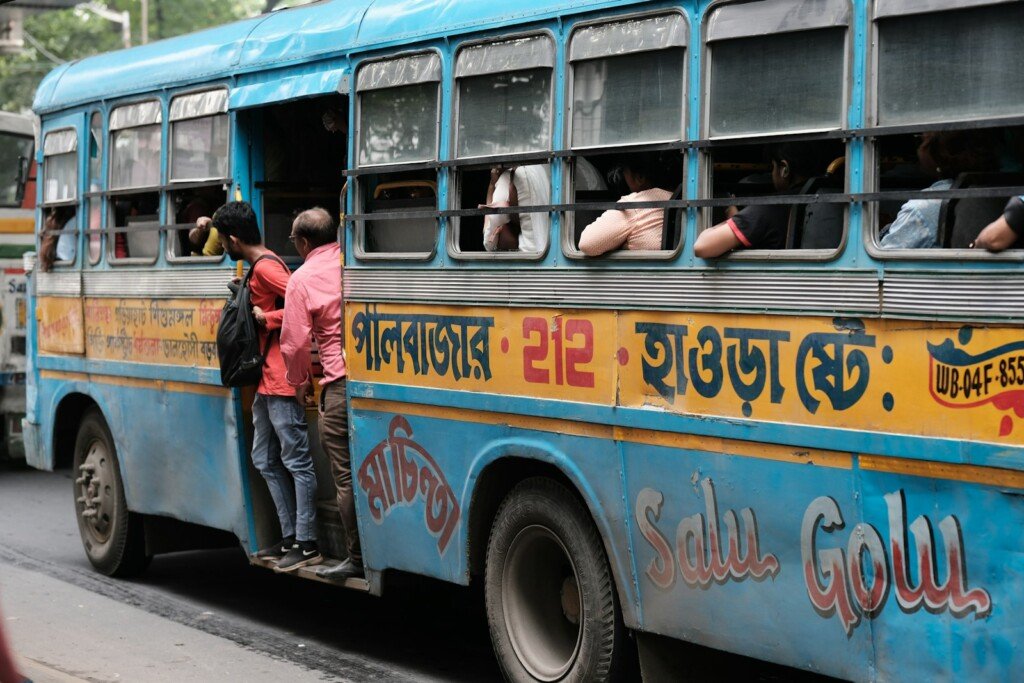

Finding the right Kolkata bus route usually comes down to knowing the city’s major interchange hubs rather than memorising route numbers, since hundreds of state-run and private routes converge on a handful of points: Esplanade, Howrah Station, Sealdah, Ultadanga, and Garia. Buses in Kolkata are run partly by the West Bengal Transport Corporation (WBTC) on state routes and partly by private operators on numbered minibus and bus routes, and route numbers, timings, and fares change often enough that any specific figure printed here could be outdated within months. For live, current routes, the WBTC’s own website and apps like Kolkata Bus Time (which pulls directly from WBTC data) are the most reliable sources. This guide focuses on how to actually find your route for a common commute, plus the hubs and corridors worth knowing regardless of which specific bus number you end up taking.
Kolkata’s Major Bus Hubs
- Esplanade: the single busiest interchange in the city, where routes from nearly every direction converge; useful as a fallback transfer point if you can’t find a direct route.
- Howrah Station: the starting or ending point for routes connecting the railway station to central Kolkata, Salt Lake, and the southern suburbs, and often the first hub visitors encounter arriving by train.
- Sealdah: similar to Howrah but serving the eastern and northern suburban rail lines, with strong bus connectivity toward Salt Lake and the northern parts of the city.
- Ultadanga: a key junction for routes heading toward Salt Lake, Sector V, and the airport corridor.
- Garia: the southern anchor point, connecting central Kolkata to the fast-growing suburbs further south along the EM Bypass extension.
How to Actually Find Your Bus Route
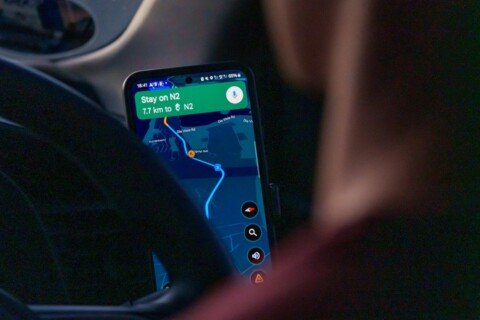
The most reliable approach for any specific commute is to check the WBTC’s official bus service page or a live-data app, since both are updated when routes actually change — something a static article can’t keep pace with. That said, a few patterns hold consistently: routes are numbered, and the same number generally always runs the same fixed corridor, so once you’ve learned your regular commute’s number, it stays reliable until the route itself is officially changed. Private minibuses tend to run shorter, more localised routes filling gaps between the larger state-run corridors, particularly useful for the last mile between a major hub and residential side streets. If you’re moving to a new area, ask locally which route number goes to your nearest hub — this is often faster and more current than searching online.
Common Commute Routes Worth Knowing
We’ve documented a few specific, real routes in detail elsewhere on the site, which are useful examples of how Kolkata’s bus corridors actually run: the Howrah Station to Madhyamgram route via AL Lynx BS III, the RT-151 from the airport to B.B.D. Bag, the Amarda to Howrah route, and the newer VS15 route from Amtala to Dakshineswar. These give a real sense of how routes are structured — connecting an outer suburb to a major hub, often continuing on to a second hub on the other side of the city.
Buses vs. Metro for Your Commute
If your commute runs along a corridor covered by the Blue, Green, Purple, or Orange metro lines, the metro is usually faster and more predictable than a bus, especially during peak traffic hours. Buses remain essential for routes the metro doesn’t reach yet, particularly outer suburbs and areas where the Purple and Orange lines are still under construction. A common pattern for longer commutes is a bus to the nearest metro station, then metro for the trunk of the journey — worth checking before assuming a single bus route is your only option.
Tips for Riding Kolkata Buses
- Keep small change handy — conductors on private buses often can’t break large notes.
- Buses can get crowded fast during office hours (roughly 9–11am and 5–8pm); if you have a choice, travel outside these windows.
- Route boards are usually in Bengali and English, but announcing your stop to the conductor is a reliable backup if you’re unsure.
- Bus timings can be irregular in heavy traffic or monsoon flooding, so build in extra buffer time for anything time-sensitive.
Frequently Asked Questions
Where can I check live Kolkata bus routes and timings?
The WBTC’s official website is the most authoritative source, and apps like Kolkata Bus Time pull the same underlying data into a more searchable, route-by-route format.
What’s the difference between WBTC buses and private buses in Kolkata?
WBTC buses are state-run and generally cover longer, more fixed trunk routes, while private minibuses and buses often run shorter, more localised routes that fill in gaps between the major state-run corridors.
Is it faster to take a bus or the metro in Kolkata?
Where the metro covers your route, it’s almost always faster and more predictable, particularly during peak traffic hours. Buses remain necessary for areas the metro doesn’t yet reach.
How do I find which bus goes to a specific area?
Search the WBTC site or a bus-tracking app by your starting point and destination, or ask locally — residents and shopkeepers near your stop usually know current route numbers faster than any online source can be updated.
Do Kolkata bus routes change often?
Yes, routes are periodically added, merged, or rerouted, especially as new metro lines open and reduce demand on parallel bus corridors, so it’s worth re-checking a route occasionally even if you’ve used it before.