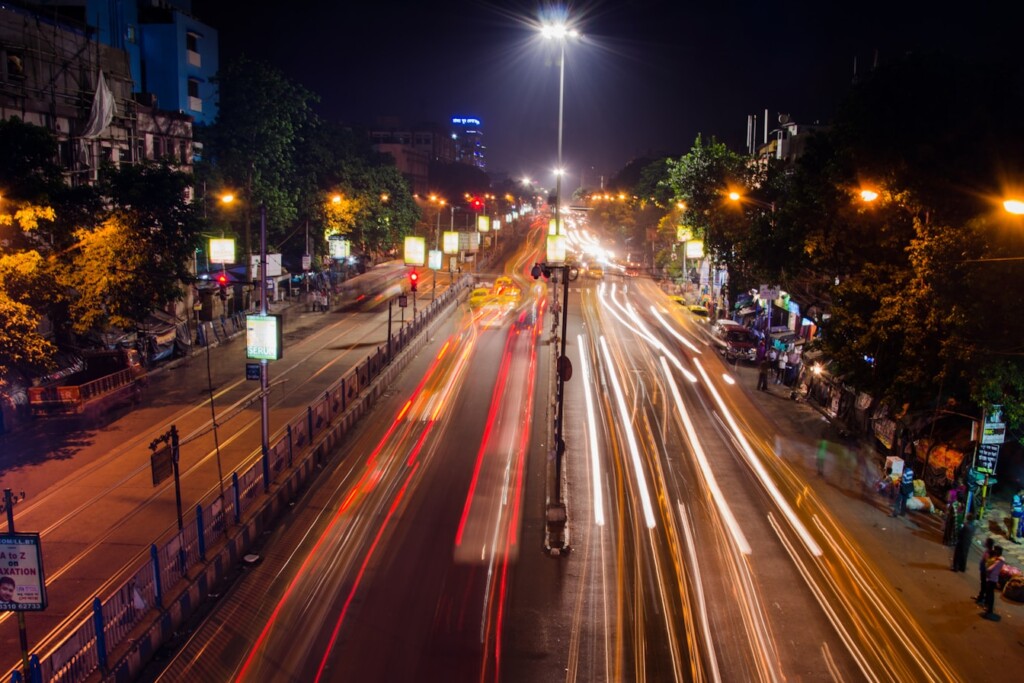



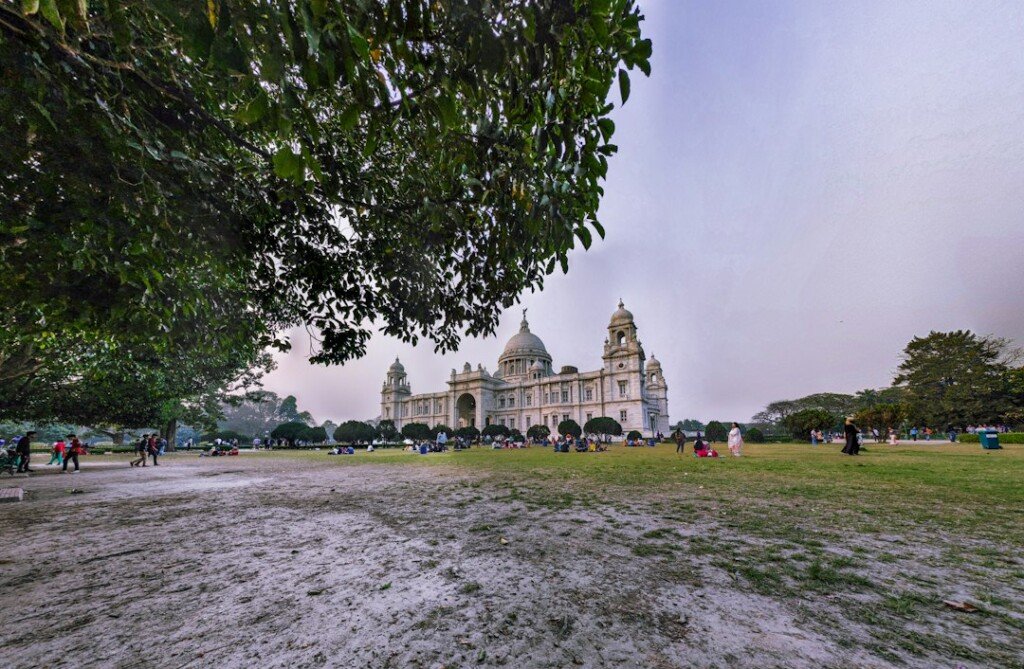

The best time to visit Kolkata is from late October to February, when days are dry and comfortable, nights are cool, and the city’s biggest festivals fall. October brings Durga Puja, the most spectacular event in the Kolkata calendar. November and December offer clear skies and easy sightseeing, and January to early February adds the International Kolkata Book Fair and crisp mornings by the river. March is still pleasant but warms up quickly. April to June is hot and humid, and July to September is the wet monsoon, which is cheaper but makes getting around slower. If you have to pick a single window, aim for November to January for the most reliable weather and the fewest logistical headaches. If festivals matter more than comfort, plan around Durga Puja instead and book early, since rooms and trains sell out.
This guide breaks down each season, explains what to expect in every month, and helps you match your travel dates to the kind of trip you want. Temperatures and rainfall below are typical seasonal patterns rather than forecasts, so check the latest outlook from the India Meteorological Department before you travel.
Best Time to Visit Kolkata: Season by Season
Kolkata has a tropical climate with three broad seasons that matter for travellers: a long, pleasant winter, a hot pre-monsoon summer, and a humid monsoon. The city sits close to sea level in the Ganges delta, so humidity is a constant. The difference between seasons is mostly how much heat and rain come with it.
Winter (November to February): the best months
Winter is the clear favourite. Daytime temperatures are typically mild, evenings turn cool, and January mornings can feel genuinely chilly by Kolkata standards. Rain is rare, the air is drier, and walking-heavy plans such as College Street, Kumartuli, the Maidan and Victoria Memorial become easy to enjoy. This is also peak season for hotel demand around Christmas and New Year, so book accommodation ahead if you are travelling in the last week of December.
Autumn (October): festival season
October is the emotional high point of the year. Durga Puja transforms neighbourhoods with themed pandals, lighting, food stalls and all-night crowds. The weather is usually improving after the monsoon, though a stray low-pressure system can bring heavy rain, so carry a light rain jacket. Hotels fill up and prices rise, and roads near major pandals are restricted at peak hours. Our Durga Puja 2026 dates and day-by-day schedule explains what happens on each day.
Summer (March to June): hot and humid
March is a transition month with warm days and comfortable evenings. From April, heat and humidity build steadily, and May can be intensely uncomfortable, especially in the afternoon. Kalbaishakhi, the sudden pre-monsoon thunderstorms, can cool the city briefly but also cause waterlogging and traffic delays. Poila Boishakh, the Bengali New Year in mid-April, is worth experiencing for the food and the festive mood, provided you plan your outdoor time for early morning or evening.
Monsoon (July to September): cheaper but slower
The monsoon usually arrives in June and stays through September. Rain tends to come in heavy bursts rather than all day, and low-lying areas can flood during intense spells. Hotels are cheaper and the city looks green, but commutes take longer and outdoor plans need flexibility. If you must travel during these months, read our Kolkata monsoon commute survival guide for flood-prone areas and transport tips.
Month-by-Month Guide to Visiting Kolkata
- January: Coolest month, ideal sightseeing weather, Poush Sankranti sweets, and the International Kolkata Book Fair, which the 2026 edition held from 22 January to 3 February at Boimela Prangan in Salt Lake.
- February: Still dry and pleasant, with fewer crowds after the New Year rush.
- March: Warming up, Holi celebrations, good for early-morning walks and river ferries.
- April and May: Hot and humid, with pre-monsoon thunderstorms. Best avoided unless you have a specific reason to visit.
- June: Monsoon onset, high humidity and frequent showers.
- July and August: Wettest period, lowest hotel rates, and the greenest scenery.
- September: Rain eases, and the city begins preparing for Durga Puja. The Mahalaya build-up starts to feel festive.
- October: Durga Puja, Lakshmi Puja and Kali Puja season, with peak crowds and peak atmosphere.
- November: Diwali, clear skies and comfortable temperatures. One of the most balanced months of the year.
- December: Christmas on Park Street, cool evenings and peak tourist demand.
Which Month Suits Which Kind of Trip?
Match your dates to your priorities. First-time visitors who want comfortable sightseeing should choose November to January. Festival lovers should aim for Durga Puja, accepting crowds and higher prices in return for an unmatched atmosphere. Food-focused travellers can enjoy winter for its seasonal sweets and street food, while budget travellers may prefer July to September, when accommodation is cheaper and you can skip the peak-season premium. Families with young children and older travellers will generally be more comfortable in the cooler months.
Once you have your dates, our one-day and weekend itineraries for first-time visitors and the complete guide to things to do in Kolkata will help you fill the days. For official tourism information and events, see the West Bengal Tourism website.
What to Pack for Each Season
In winter, carry a light jacket or sweater for evenings, plus comfortable walking shoes. In summer, pack breathable cotton, sunscreen, a hat, and a refillable water bottle. In the monsoon, bring a compact umbrella or rain jacket, quick-drying clothes, and footwear that copes with wet roads. In every season, plan for humidity and keep electronics in a waterproof pouch.
Frequently Asked Questions
What is the best month to visit Kolkata?
November and January are generally the best months for weather, with dry days and mild temperatures. October is best if you want to see Durga Puja, though it is also the busiest and most expensive month.
Is Kolkata worth visiting in the monsoon?
Yes, if you are flexible. Hotel rates are lower and the city is green, but heavy bursts of rain can slow travel and flood some areas. Plan indoor activities such as museums, cafes and shopping for the wettest hours.
How hot does Kolkata get in summer?
From April to June, daytime temperatures commonly climb well into the mid to high 30s Celsius, and humidity makes it feel hotter. Afternoons are best spent indoors, with sightseeing kept to early morning and evening.
When is the cheapest time to visit Kolkata?
The cheapest period is usually the monsoon, from July to September, followed by the hot months of April to June. Prices rise sharply around Durga Puja and during the Christmas and New Year week.
Do I need to book in advance for Durga Puja?
Yes. Hotels, trains and flights around the main puja days fill up weeks or months ahead, so it is wise to book as early as you can once the dates are confirmed.