


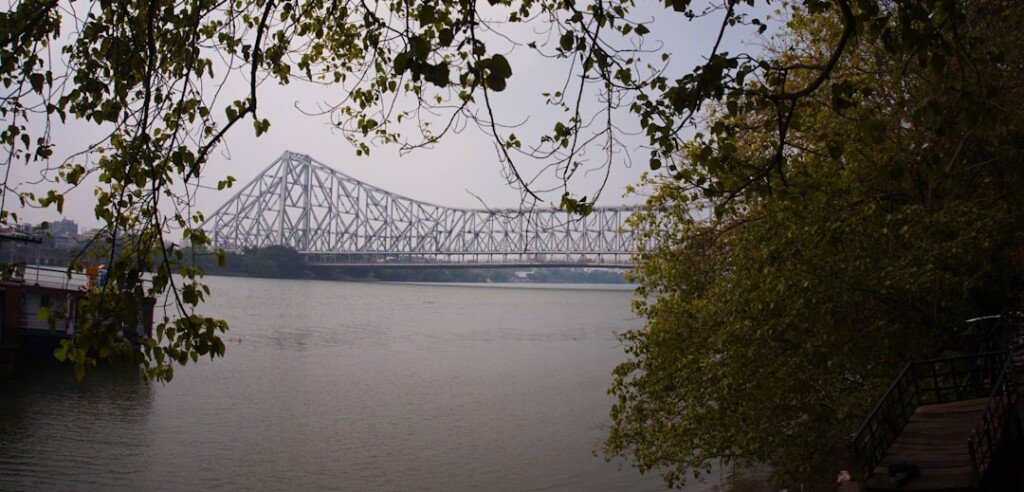

Kolkata’s Hooghly river ferries connect the city to Howrah and to riverside neighbourhoods like Dakshineswar and Belur, and remain one of the cheapest and most scenic ways to cross the river. Fares are low, typically around Rs 5-10 per person depending on the route, and most ghats operate roughly from early morning until around 8-9 PM. The busiest crossing is between Howrah Station and central Kolkata’s ghats (Fairlie Place, Chandpal Ghat, Babughat), used daily by commuters as an alternative to the crowded Howrah Bridge. Further north, ferries connect Baghbazar and Ahiritola to Belur Math and Dakshineswar, popular with pilgrims and day-trippers visiting the temples on either bank. This guide covers the main routes, which ghats serve them, and what to expect on fares and timings.
Main Ferry Routes Across the Hooghly
- Howrah Station Jetty ↔ Fairlie Place/Chandpal Ghat: the busiest commuter crossing, linking Howrah railway station directly to central Kolkata, running roughly 7:40 AM to 9:00 PM with fares starting around Rs 5.
- Howrah ↔ Millennium Park: served via Fairlie Place ghat, a popular route for visitors heading to Millennium Park on the Kolkata side.
- Howrah (Golabari/Bandha/Ramkrishnapur Ghat) ↔ Baghbazar, via Ahiritola and Sovabazar: a north Kolkata route connecting several historic ghats along the river.
- Belur Math ↔ Dakshineswar: a short crossing linking two of the region’s most visited temples, useful if you want to see both without a long road detour.
- Ahiritola ↔ Bandhaghat: a smaller, low-cost route with fares around Rs 5.
- Fairlie Place ↔ Belur, Dakshineswar, and Aryadaha: longer river routes typically priced around Rs 10 per head.
Fares: What to Expect
Hooghly ferry fares are low across the board, generally in the Rs 5-10 range per person for standard routes, making them noticeably cheaper than an auto or cab for the same crossing. Exact fares can vary slightly by route and are subject to periodic revision, so treat the figures above as a general guide and confirm the current fare at the ticket counter before boarding.
Timings: When Ferries Run
Most ghats operate from early morning (around 7:30-8:00 AM) until roughly 8:00-9:00 PM, with services running more frequently during commuter peak hours on weekday mornings and evenings. Timings can vary by specific ghat and are affected by tide conditions and monsoon-season river levels, so it’s worth checking with the ghat or the West Bengal Transport Corporation directly if you’re planning a trip outside standard commuting hours, or during the monsoon.
Why Take the Ferry Instead of the Bridge
- Speed during peak hours: crossing by ferry often beats sitting in Howrah Bridge traffic, especially during morning and evening rush.
- Cost: ferry fares are a fraction of an auto or cab fare for the same crossing.
- The experience itself: a river crossing offers views of Howrah Bridge and the ghats that you simply don’t get from the road.
Ferries are maintained by West Bengal’s Inland Waterways and Transport authorities, and services are occasionally suspended during high water levels or severe weather — during the monsoon especially, it’s worth having a backup plan via bus or the Howrah Bridge crossing. See our Kolkata bus route finder and complete guide to getting around Kolkata for alternatives, and our things to do in Kolkata guide if you’re combining a ferry ride with sightseeing near the ghats.
Frequently Asked Questions
How much does a Hooghly ferry ticket cost?
Most standard routes cost around Rs 5-10 per person, though exact fares vary by route and are revised periodically — confirm the current fare at the ticket counter.
What time do Kolkata ferries stop running?
Most ghats operate until roughly 8:00-9:00 PM, though this varies by specific route and ghat — don’t plan a late-evening crossing without checking first.
Can I take a ferry between Belur Math and Dakshineswar?
Yes, a direct ferry crossing links the two temples, which is a popular and efficient way to visit both without a long road journey around the river.
Are ferries faster than crossing Howrah Bridge by road?
Often yes during peak traffic hours, since the bridge gets heavily congested — a ferry crossing can be quicker and is usually cheaper as well.
Do ferries run during the monsoon?
Services can be suspended or reduced during heavy monsoon flow or unsafe river conditions, so it’s worth having a backup travel plan during the rainy season.