


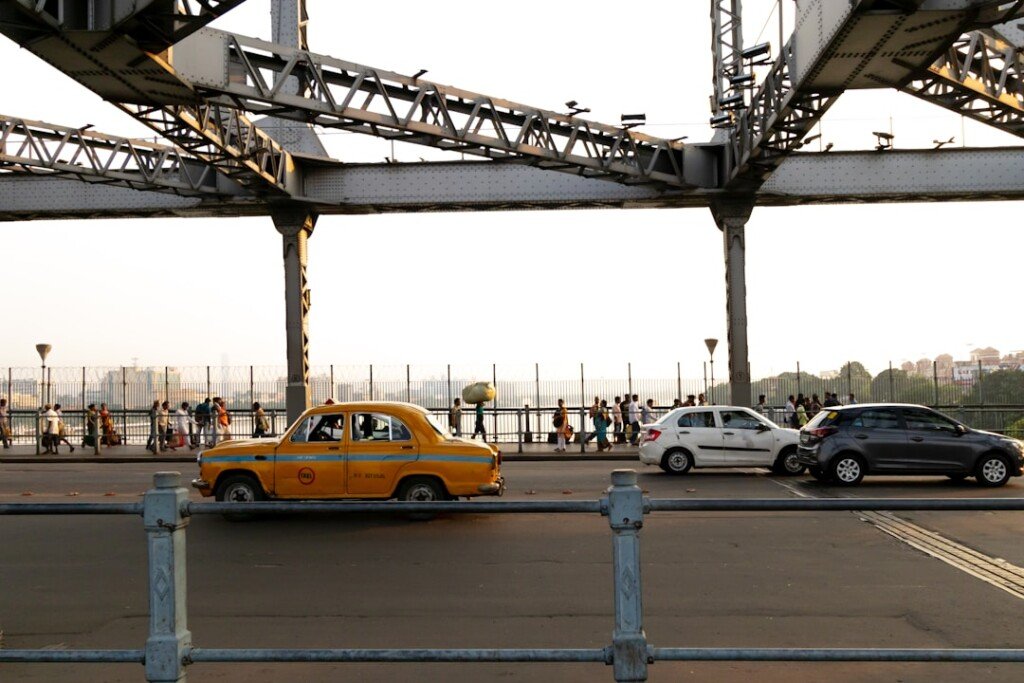

Getting around Kolkata comes down to four main options: the Metro, city buses, Hooghly river ferries, and autos. This Kolkata metro guide and full transport overview covers all four, including fares, routes, and which mode makes sense for students, working professionals, and visitors. Short version: the Metro is fastest for long, congested corridors like Dum Dum to Kalighat or Howrah to Salt Lake; buses are cheapest for cross-town trips the Metro doesn’t reach; ferries are a quick, scenic way to cross the Hooghly between Kolkata and Howrah; and autos handle the “last mile” from a Metro station or bus stop to your actual door. Fares across all four modes are among the lowest of any major Indian city, and most residents end up combining two or three of them on a typical day.
Kolkata Metro Guide: Lines, Fares & Timings
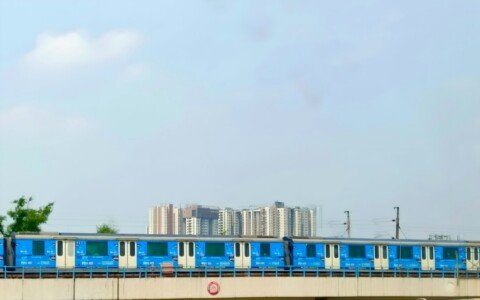
Kolkata Metro is India’s oldest metro system and now the backbone of the city’s public transport. It currently runs on four fully operational lines, with more sections opening in phases:
- Blue Line: Dakshineswar to Kavi Subhash, running through Dum Dum, Shyambazar, Esplanade, and Kalighat, the original and busiest north-south corridor.
- Green Line (East-West Metro): Howrah Maidan to Salt Lake Sector V, including the underwater Hooghly river tunnel connecting Howrah to central Kolkata, useful if you’re commuting between Howrah and the Sector V office belt.
- Purple Line: Joka to Majerhat, serving the southwestern part of the city, with further extension toward Diamond Park planned.
- Orange Line: Kavi Subhash to Beleghata for now, part of a longer planned corridor eventually reaching the airport.
You can interchange between the Blue and Green lines at Esplanade, and between the Blue and Orange lines at Kavi Subhash. A direct, one-line metro connection to the airport is still under construction as the network expands: check current status before planning around it.
How Much Does the Kolkata Metro Cost?
Metro fares are distance-based and typically range from roughly Rs 5 for the shortest hop to around Rs 25-30 for the longest cross-city journeys. You can pay three ways: a single-journey token bought at the counter, a QR ticket through the official metro app, or a rechargeable Smart Card, which usually needs a minimum balance and gives a small bonus on recharge. The Smart Card is worth it if you’re commuting daily, since it skips the token queue entirely. Exact fare slabs and any surcharge changes should be confirmed on the official Metro Railway Kolkata site before you travel, since fare charts are periodically revised.
Trains run roughly every 7-15 minutes depending on the line and time of day, with reduced frequency on Sundays. Peak-hour crowding on the Blue Line between Esplanade and Dum Dum is significant on weekday mornings and evenings, so build in extra time if you’re travelling with luggage.
Buses in Kolkata: How the Route System Works
Buses are still the workhorse of Kolkata’s transport network, covering areas the Metro doesn’t reach and running far more route combinations. Services are a mix of state-run WBTC (West Bengal Transport Corporation) buses and private operators, ranging from ordinary non-AC buses to AC Volvo services on busier corridors.
Each route has a number (like VS1, S9, or AC39) painted on the front, and the same number generally follows a fixed path every time, which makes it easy to learn your regular routes once you know them. WBTC also runs 24×7 services on a handful of key corridors, including routes linking Howrah station to the airport and to Barrackpore. For a sense of how individual routes are documented, see our breakdowns of the Howrah Station to Madhyamgram bus route and the VS15 Amtala to Dakshineswar route.
Which Bus App Should You Use?
Real-time bus tracking in Kolkata has improved significantly, with apps showing live locations and estimated arrivals for most WBTC and many private routes. Google Maps also pulls in transit data for major corridors. For fares and official timetables, WBTC’s own site is the most reliable source, since third-party listings can lag behind actual schedule changes. If you’re new to a route, it’s worth boarding once during a quieter, non-peak hour first, just to get a feel for the stops, before relying on it for a time-sensitive commute.
Ferries Across the Hooghly: Routes, Jetties & Fares
Kolkata’s ferries are one of the city’s most underrated ways to get around, especially if you need to cross between Kolkata and Howrah without fighting bridge traffic. WBTC-operated vessels run on around two dozen routes along the Hooghly, connecting jetties (ghats) on both banks.
- Howrah to Babughat (Chandpal Ghat): one of the most heavily used commuter crossings.
- Howrah to Millennium Park (Shipping Jetty): connects Howrah to the riverside park and central Kolkata.
- Howrah to Armenian Ghat: useful for reaching the Burrabazar and Strand Road area.
Most short Hooghly crossings cost only a few rupees, typically in the Rs 5-6 range, making ferries one of the cheapest ways to move around the city, though a handful of longer or special routes charge more. Services generally run from around 7:40 am to 9 pm; confirm the current timetable for your specific jetty before relying on it for a tight schedule, since frequency drops outside peak hours and some routes pause during monsoon high-water conditions.
Autos & Shared Autos: How the Fixed-Route System Works
Auto-rickshaws in Kolkata mostly don’t work like autos in other Indian cities. Instead of hailing one for a point-to-point trip, most autos run on fixed, permitted routes (typically short stretches of a few kilometres) and operate on a shared basis, picking up and dropping passengers along the way for a flat per-head fare. You’ll find these at designated auto stands near Metro stations, bus terminals, and major intersections.
This makes autos ideal for the “last mile,” getting from a Metro station or main road to a specific neighbourhood or PG, rather than for long cross-city trips. Fares are typically small, fixed amounts per route rather than metered, so it’s worth asking a local or checking with co-passengers what the going rate is if you’re new to an area. App-based cabs (Ola, Uber) and prepaid taxis remain the better option for door-to-door trips outside fixed auto routes.
Getting To and From Kolkata Airport
Netaji Subhas Chandra Bose International Airport sits in the northeast of the city, and you’ve got three realistic ways in or out:
- Taxi or app cab: the fastest option in light traffic, roughly 30-45 minutes to central Kolkata, though rush-hour trips can take well over an hour. Prepaid taxi counters are available at the arrivals area.
- WBTC AC Volvo buses: routes such as Esplanade-Airport and Howrah-Airport are the budget option, generally taking around 75 minutes end to end.
- Metro: a dedicated airport-connected Metro station is part of the ongoing network expansion but is not yet fully operational as a direct link: check current status before counting on it.
Cost Comparison: Metro vs. Bus vs. Ferry vs. Auto
If you’re deciding purely on price, here’s roughly how the four modes stack up for a typical short-to-medium trip within the city. Treat these as general ranges rather than exact quotes: always confirm current fares with the operator, since they’re revised periodically.
- Metro: around Rs 5-30 depending on distance, the best value for long, direct corridors along an existing line.
- Bus: generally the cheapest option for cross-town trips, with non-AC fares lower than AC/Volvo services on the same route.
- Ferry: typically Rs 5-6 for a standard Hooghly crossing, making it the cheapest way to get between Kolkata and Howrah by far.
- Auto (shared): low, flat per-head fares on fixed short routes, usually cheaper than a full cab ride but pricier per kilometre than the Metro.
For most people, the practical answer isn’t “pick one”: it’s Metro or bus for the long stretch of a journey, and an auto or a short walk to close the gap at either end.
Tips for Getting Around Kolkata Efficiently
- Avoid the Blue Line during weekday rush hours (roughly 9-11 am and 5:30-8 pm) if you’re carrying luggage, since trains get genuinely packed on the Esplanade-Dum Dum stretch.
- Keep small change handy for buses, ferries, and shared autos, since exact fares move faster than waiting for change from a large note.
- Download a live-tracking app before you need it, not during a commute, since signal inside some Metro stations and older buses can be patchy.
- Factor in the monsoon (roughly June to September): waterlogging can disrupt bus routes and pause some ferry services, so build in extra buffer time and have a Metro or auto backup plan for low-lying areas.
- Ask locals or co-passengers for the going auto fare in an unfamiliar area before boarding, since shared auto pricing is informal and can vary slightly route to route.
Which Mode Should You Use?
For students commuting to Calcutta University or Jadavpur University, a Metro-plus-auto combination usually beats buses on reliability during peak hours. Working professionals heading to Salt Lake or Sector V benefit most from the Green Line, especially if their PG is already in that corridor: see our guide to PGs near Sector V if you’re still choosing where to live. If you’re weighing areas across the city more broadly, our PG and hostel pricing guide breaks down which neighbourhoods pair well with which commute. Visitors sightseeing around the city centre (Victoria Memorial, Park Street, the Maidan) will find walking, autos, and the Blue Line cover almost everything without needing a cab for every stop.
Frequently Asked Questions
How much does it cost to travel by Kolkata Metro?
Metro fares are distance-based, typically starting around Rs 5 for the shortest trips and going up to roughly Rs 25-30 for the longest journeys. A Smart Card is the most convenient option for regular commuters, since it skips the token counter and adds a small recharge bonus.
Which is faster for crossing the city: Metro or bus?
The Metro is almost always faster for long north-south or east-west trips along its lines, since it isn’t affected by road traffic. Buses make more sense when your destination isn’t near a Metro station, or for shorter hops where waiting for a train doesn’t save you time.
Are Hooghly ferries safe and reliable for daily commuting?
Yes, WBTC ferries are a regular commuting option for many people crossing between Kolkata and Howrah, and fares are very low. That said, frequency drops outside peak hours, and services can be suspended during heavy monsoon flow, so they work best as a primary option outside the rainiest months and as a backup during them.
How do shared autos work in Kolkata?
Autos run on fixed, short routes rather than being hailed for custom trips, and typically carry multiple passengers at once for a flat per-head fare. They’re best used to cover the last stretch between a Metro station or main road and your final destination, not for long point-to-point journeys.
What’s the cheapest way from Kolkata airport to the city centre?
WBTC’s AC Volvo airport buses are the most budget-friendly option, taking around 75 minutes to reach central points like Esplanade or Howrah. A prepaid taxi or app cab costs more but is roughly twice as fast in normal traffic.
Is it easy to get around Kolkata without owning a vehicle?
Yes, Kolkata is one of the more walkable and transit-friendly major Indian cities, largely because the Metro, bus network, and shared autos overlap well enough that most neighbourhoods are reachable without a personal vehicle. Many residents, including long-term working professionals, rely entirely on public transport plus occasional app cabs.
The Bottom Line
No single mode covers all of Kolkata on its own: the Metro handles the fast, long-distance backbone, buses fill in everywhere else, ferries are an efficient (and scenic) way across the Hooghly, and autos handle the final stretch to your door. Most people who live here end up combining two or three of these on a normal day, and once you’ve learned your regular Metro line, bus number, and nearest auto stand, getting around the city becomes second nature. For current fare charts and any service changes, check the official Metro Railway Kolkata and WBTC websites before you travel.