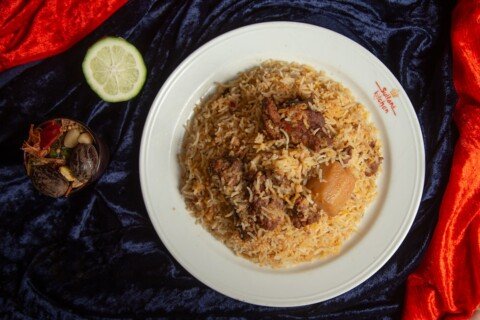



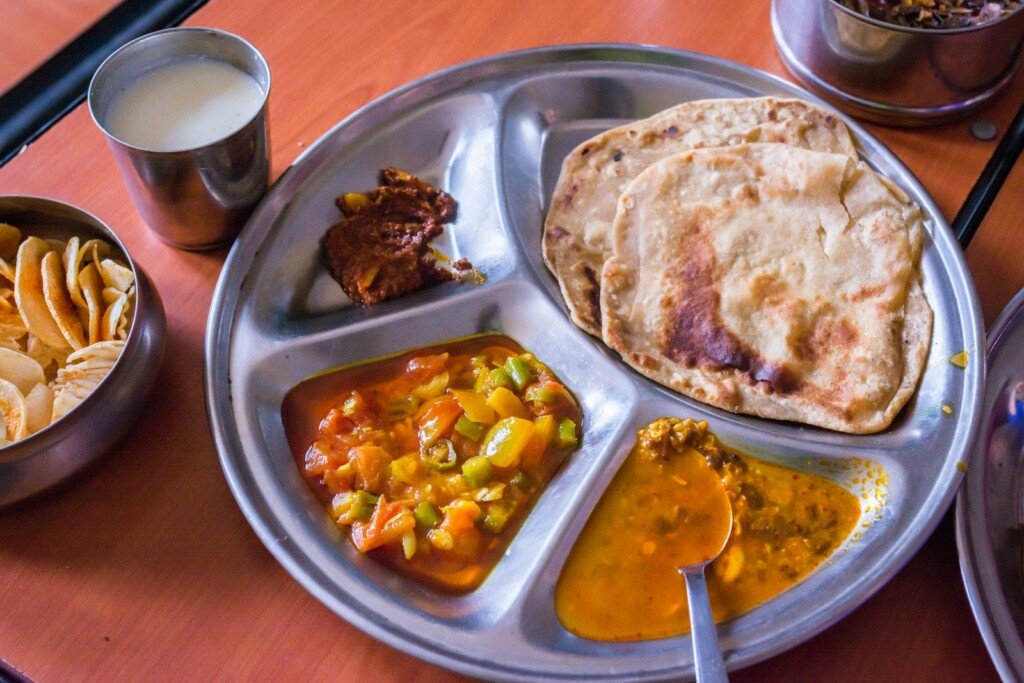

Mughlai food in Kolkata is concentrated in four pockets: Park Circus, the Chandni Chowk and Colootola stretch in central Kolkata, Zakaria Street near Nakhoda Masjid, and the New Market to Chitpur belt. The city’s take on the cuisine is milder and lighter than its Lucknow or Delhi cousins, built around slow-cooked mutton, yoghurt-based gravies and one signature dish you will struggle to find elsewhere: rezala, a pale, fragrant mutton stew finished with green chilli and kewra. A standard meal here is a chaap or rezala, a stack of rumali roti or paratha, and kebabs to start. At the older, no-frills establishments you can eat well for roughly Rs 400 to Rs 700 for two, with air-conditioned chains costing more. The names locals mention first are Sabir’s, Zeeshan, Aminia, Arsalan, Shiraz, Royal Indian Hotel and Nizam’s.
What Makes Mughlai Food in Kolkata Different
Kolkata inherited its Mughlai cooking largely from Awadh, carried east when Wajid Ali Shah, the deposed Nawab of Awadh, was exiled to Metiabruz in 1856. His kitchen staff settled in the city and adapted their recipes to local tastes and local budgets. The result is a distinctly Bengali reading of the cuisine: less chilli heat, more aromatic sweetness, generous use of ghee and yoghurt, and a fondness for potato that shows up in the biryani.
Two dishes define the local style. Chaap is a large, flattened piece of chicken or mutton on the bone, braised until it surrenders in a thick, dark, spice-heavy gravy. Rezala is its opposite: a thin, almost white curry built on yoghurt, poppy seed or cashew paste, whole green chillies, cardamom and a drop of kewra water. Order both at the same table and you get the full range of what the city does with mutton.
Best Mughlai Restaurants in Kolkata
Sabir’s Hotel, Chandni Chowk (for rezala)
Operating on Biplabi Anukul Chandra Street near Chandni Chowk metro since 1948, Sabir’s is the address most closely associated with mutton rezala in Kolkata, and is widely credited with popularising the dish in the city. The room is plain and the service is brisk. Order the mutton rezala with paratha and little else. Reported cost for two sits around the Rs 500 mark, though it is worth confirming current rates when you arrive.
Zeeshan, Park Circus (for the spicier end)
On Syed Amir Ali Avenue, Zeeshan runs hotter and heavier than most of its neighbours, which is precisely why it has a following. The reshmi kebabs and mutton chaap are the usual recommendations, and the biryani holds its own. Recent menu listings put mutton rezala and mutton chaap in the Rs 250 to Rs 300 band per portion, but delivery-app prices and dine-in prices often differ, so treat that as a guide rather than a quote.
Aminia (for consistency across the city)
Founded in 1929 and now run by its third and fourth generations, Aminia began on Zakaria Street and has since spread to Golpark, Shyambazar, Behala, Rajarhat, Jessore Road and beyond. It is the safest bet if you are not near one of the historic pockets, because the menu and the standard travel reasonably well. The New Market area outlet on S. N. Banerjee Road remains the best known.
Royal Indian Hotel, Chitpur (for chicken chaap)
Royal dates back to 1905 and is the oldest name on this list. Its chicken chaap and mutton biryani are the reason people cross the city for it, and the queue outside on weekend evenings tells you the reputation is not just nostalgia. Go early or expect to wait. If you are comparing the city’s biryani heavyweights, our Kolkata biryani guide to Arsalan, Aminia and Royal breaks down the differences in detail.
Shiraz Golden Restaurant, Park Street
Serving since 1941 at the Park Street and Mullick Bazar crossing, Shiraz is the convenient option for anyone already in the Park Street area. The kebabs, chicken rezala and biryani all get consistent praise, and the location makes it easy to fold into an evening out. See our Park Street after dark guide for what else is open nearby late.
Nizam’s, New Market (for kathi rolls)
Nizam’s is where the kathi roll is generally said to have been invented, in the 1930s, by wrapping skewered kebab in paratha so office workers could eat it without a plate. It is a piece of Kolkata food history as much as a meal. The rolls are covered in more depth in our Kolkata street food guide.
Arsalan, Park Circus
The newest of the big names and the most polished. Arsalan is air-conditioned, family-friendly and reliably busy, with mutton biryani and chicken chaap the standard order. It costs more than Sabir’s or Royal, but it is the easiest of the lot to take a group to.
Best Areas for Mughlai Food in Kolkata
- Park Circus: the densest cluster. Zeeshan, Arsalan, Shiraz and Siraj sit within a short walk of each other, and the area stays awake late.
- Chandni Chowk and Colootola: older, cheaper and less polished. Sabir’s anchors this stretch, and Chandni Chowk metro puts you at the door.
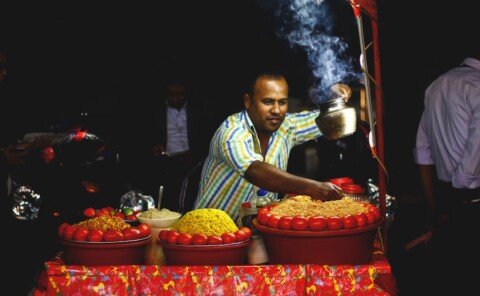
- Zakaria Street: the lane beside Nakhoda Masjid, best known for its extraordinary spread during Ramzan, when kebab and haleem stalls run past midnight.
- New Market and Chitpur: Nizam’s, Aminia and Royal Indian Hotel, plus the heritage eating houses covered in our guide to old Kolkata restaurants.
What to Order: A First-Timer’s Menu
- Mutton rezala with paratha or rumali roti. The one dish to try if you only try one.
- Chicken or mutton chaap. Rich and heavy. One portion between two people is usually enough alongside other dishes.
- Reshmi or kakori kebab as a starter, ordered by the piece at most places.
- Mughlai paratha: a paratha stuffed with egg and keema, then shallow fried. Sold at eateries and street stalls, often for well under Rs 100.
- Firni to finish. A set rice-and-milk pudding served cold in a clay pot.
How Much Does It Cost?
At the older, no-frills establishments a full meal for two typically lands somewhere between Rs 400 and Rs 700, depending on how much mutton is involved. Air-conditioned restaurants such as Arsalan usually run higher. Individual mutton curry portions at mid-range places have recently been listed in the Rs 250 to Rs 350 range, but menu prices move with mutton rates, so check before ordering rather than relying on any published figure. For cheaper options in the same neighbourhoods, see our roundup of budget eats under Rs 200 near Park Street and College Street.
Practical Tips Before You Go
- Most of the historic places are cash-friendly but not all take cards. Carry some cash or check that UPI is accepted.
- Peak dinner hours run roughly 8 pm to 10 pm, and weekend waits at Royal and Arsalan can be long. Lunch is far calmer.
- Ramzan transforms Zakaria Street and Colootola into an evening food market. It is the single best time of year to eat Mughlai food in Kolkata, but go with patience and low expectations about seating.
- Portion sizes at the older restaurants are generous. Two mains and breads will usually feed two people comfortably.
- If hygiene standards matter to you, look for the food business registration displayed at the counter, which restaurants are required to hold under FSSAI rules.
For a broader picture of where the city eats, from Bengali thali to Chinese in Tangra, start with our complete Kolkata food guide. Visitors planning a wider trip can also check itinerary and heritage listings on the West Bengal Tourism official site.
Frequently Asked Questions
Which is the best restaurant for Mughlai food in Kolkata?
It depends on the dish. Sabir’s in Chandni Chowk is the standard answer for mutton rezala, Royal Indian Hotel in Chitpur for chicken chaap and biryani, and Zeeshan in Park Circus for kebabs and a spicier profile. Arsalan is the most comfortable option if you want air conditioning and a proper table.
What is the difference between chaap and rezala?
Chaap is a thick, dark, heavily spiced gravy over a large flattened piece of meat on the bone. Rezala is thin, pale and aromatic, built on yoghurt and nut or poppy seed paste with whole green chillies and cardamom. Chaap is the richer of the two, rezala the more delicate.
Is Mughlai food in Kolkata very spicy?
Generally no. Kolkata’s version leans aromatic rather than hot, with cardamom, mace and kewra doing more work than chilli. Zeeshan is the notable exception and runs distinctly hotter than most.
Where can I eat Mughlai food in Kolkata late at night?
Park Circus is the most reliable area after 11 pm, and Zakaria Street stays open very late through Ramzan. Closing times vary by outlet and change without notice, so call ahead if you are travelling across the city for a late meal.
Are there vegetarian options at Mughlai restaurants in Kolkata?
Limited but present. Most places offer paneer preparations, dal and vegetable pulao, though the kitchens are firmly meat-focused and vegetarian dishes are rarely the reason anyone visits. Diners avoiding meat entirely will do better at a Bengali thali restaurant or a South Indian eatery.