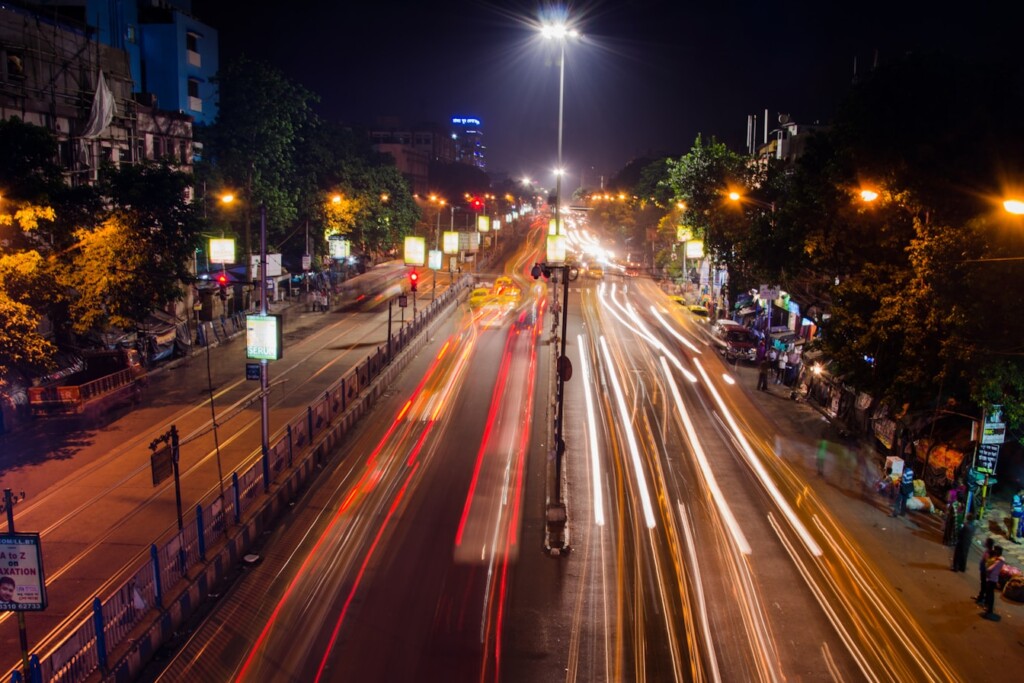



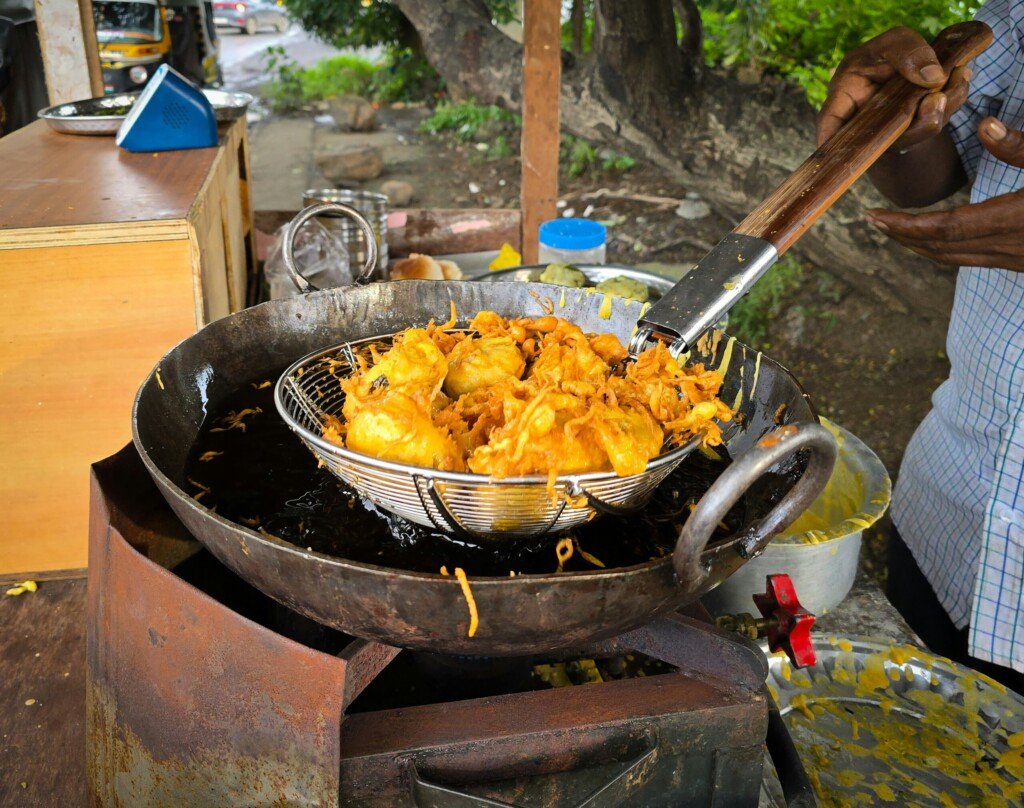

Dacres Lane at lunchtime is one of the more reassuring sights in central Kolkata. The lane fills, the pans come out, and office workers from Esplanade and BBD Bagh eat standing up at stalls their fathers ate at. It is also, this week, one of the addresses on a food safety inspection list. Officials went through the lane checking what was being sold and how long it had been sitting there.
This is not a story about a scandal at any one shop, and no business has been named by the authorities. It is a story about an enforcement drive that has reached some of the city’s best known eating streets roughly six weeks before Kolkata starts buying sweets by the kilo for Durga Puja. Here is what happened, and what it is reasonable to do with the information.
What the Inspections Found
Officials of the Kolkata Municipal Corporation’s food safety wing inspected food stalls at Dacres Lane, also widely known as Decker’s Lane, along with Jorabagan and Lake Market.
At one shop a storeroom was inspected and sweets that were past their date but still being kept in refrigerators were thrown away. Fungal growth was reported on sandesh at a shop on the lane, and quantities of sweets were discarded on the spot. Officials also collected samples of fritters and other fried items from food shops at Dacres Lane for testing.
The general pattern in the reporting is worth noting, because it is more instructive than any single find. The problems were about age and storage rather than exotic adulteration: things kept too long, kept at the wrong temperature, or brought back out after they should have been thrown away.
This Is Part of a Statewide Drive
The Kolkata inspections are one piece of an operation running across West Bengal on the Chief Minister’s instructions, and the same day produced action in several districts.
Bakeries were checked in the Sasthitala area of Kamarhati in North 24 Parganas, where a restaurant opposite the municipality office was shut down. In Durgapur, sudden inspections at sweet shops and eateries in the Benachity and Bhiringi areas turned up stale sweets, curry that had been stored for long periods and poor quality food, all of which was destroyed. Officials of the Durgapur Municipal Corporation said the drive would continue.
Hotels and sweet shops were inspected in the Jamalpur block of Purba Bardhaman. In the Bara Bazar area of Chandannagar in Hooghly, officials went through hotels, restaurants and catering businesses, recovered a large quantity of spoiled material and issued notices in several cases. A chanachur factory in Nandigram in Purba Medinipur was issued a notice. In Chilapata in Alipurduar, four shop owners were served notices after checks at hotels, restaurants, food shops and resorts turned up expired food and rotten fish and meat.
The scale matters for how you read the Kolkata findings. This was a broad sweep rather than a targeted action against particular businesses in the city.
The Timing Is Not an Accident
Kolkata’s sweet consumption is about to climb steeply. Durga Puja is roughly six weeks out, and the weeks running up to it are when sweet shops produce at maximum volume, when household orders get placed in bulk, and when the pressure to hold stock longer than is ideal is at its highest.
Monsoon does not help either. Humidity in a Kolkata September is exactly the condition in which chhana based sweets, which is to say most of the Bengali repertoire, go off fastest. Sandesh and rosogolla are made from fresh chhana and are not built for long shelf life at room temperature. A drive that lands now, rather than in October, is at least aimed at the right moment.
How to Buy Sensibly Without Giving Up Street Food
The point of any of this is not to stop eating at Dacres Lane. It is to shift the odds slightly in your favour.
- Prefer stalls with high turnover. Food that is being cooked and sold continuously has not been sitting anywhere. A queue is a reasonable proxy for freshness.
- Watch the oil. Repeatedly reused frying oil turns dark and viscous and smells acrid. If the kadhai looks like treacle, choose a different stall.
- Buy chhana based sweets the same day you plan to eat them, and refrigerate them as soon as you get home. Sandesh, rosogolla and mishti doi are not multi day items in September humidity.
- Look at the display. Sweets sitting uncovered at room temperature all afternoon are a different proposition from sweets in a working chiller. Check that the chiller is actually cold and not just switched on.
- Trust your nose over the label. A sour or fermented smell on a chhana sweet means it has turned, whatever the date says.
- For packaged items, check the manufacturing and expiry dates and the FSSAI licence number on the pack, and avoid packets that are swollen, leaking or already open.
- If you believe a shop is selling unsafe food, complain to the Kolkata Municipal Corporation’s food safety department rather than only posting about it. A complaint with a date, an address and what you bought is the kind that can be acted on.
Frequently Asked Questions
Which Kolkata areas were inspected?
Food stalls at Dacres Lane, also known as Decker’s Lane, along with Jorabagan and Lake Market were inspected by the KMC food safety department.
What did officials actually find?
Expired sweets being stored in refrigerators were destroyed, fungal growth was reported on sandesh at a shop, and samples of fritters and fried items were collected for testing.
Have any shops been named or shut down in Kolkata?
No individual Kolkata business has been named in the reporting available. A restaurant was reported closed in Kamarhati in North 24 Parganas, which is outside the KMC area.
Is Dacres Lane unsafe to eat at now?
That is not what an inspection drive establishes. Officials checked a well known food street, found problems at some points of sale and took action there. Sample testing results were not available at the time of writing.
Is this only happening in Kolkata?
No. Inspections the same day covered Kamarhati, Durgapur, the Jamalpur block of Purba Bardhaman, Chandannagar, Nandigram and Chilapata in Alipurduar, as part of a drive across the state.
Where do I complain about unsafe food in Kolkata?
Complaints about food businesses inside the city go to the Kolkata Municipal Corporation’s food safety department. Note the shop address, the date, what you bought and keep the bill or packaging if you have it.
The Bottom Line
Enforcement drives tend to arrive in bursts and then fade, and the honest test of this one will be whether inspectors are still walking these lanes in November, after Puja, when nobody is watching. What the raids do confirm is unremarkable and useful: the risk in Kolkata’s food is mostly about how long something has been kept and at what temperature, not about anything sinister. That is a problem you can partly manage yourself by buying sweets fresh, eating where the turnover is high, and refrigerating chhana the moment you get home. None of that requires giving up the kochuri queue. If you are shopping for Puja, our guides to Kolkata’s best Bengali sweet shops and to breakfast kochuri and radhaballavi are a good place to start.
Sources: Akashvani Kolkata Bengali news bulletin dated 6 September 2026 (0735 IST), reporting the food safety drive across West Bengal including the Decker’s Lane inspections in Kolkata and the actions in Kamarhati, Durgapur, Jamalpur, Chandannagar, Nandigram and Chilapata; IANS reporting of 6 September 2026 on KMC food safety inspections at Dacres Lane, Jorabagan and Lake Market, the destruction of expired sweets held in refrigerators and the collection of samples of fried items; and Bengali press reporting by Sangbad Pratidin and Kolkata TV on the Decker’s Lane inspection and the fungal growth found on sandesh. Sample test results were not available at the time of writing, and no Kolkata business has been named by the authorities in the material reviewed.
Featured image: fresh fritters being deep fried at an Indian street food stall, photo by Zoshua Colah on Unsplash.