




Vapes have been illegal to sell in India for nearly seven years, yet anyone who has walked down Park Street after dark knows they are not hard to find. On Wednesday evening, 16 September, Kolkata Police’s Detective Department decided to make a point of it. Acting on a tip-off, a team raided a shop at 191 Park Street, seized a large consignment of e-cigarettes and arrested four men on the spot. A case has been registered at Beniapukur Police Station and the accused were to be produced before the Additional Chief Judicial Magistrate’s court at Sealdah on Thursday. Here is what we know about the raid, why vaping is banned in the first place, and what the law actually says if you are caught with one.
What Happened on Park Street
According to police sources, the shop had been stocking and selling e-cigarettes under the counter for some time. The Detective Department, which handles the city’s more organised smuggling and contraband cases rather than routine station-level policing, moved in on Wednesday evening after receiving specific information. Officers recovered what they describe as a large quantity of vaping devices and related material, all of which has been seized and is now being counted and examined.
Four men were arrested, aged between 21 and 40. Three of them are originally from Kerala and Karnataka but are linked to an address on Linton Street, which falls under Beniapukur Police Station, while the fourth lives in the Ripon Street area, a short walk from the shop. That geography matters: the Park Street, Ripon Street and Linton Street pocket is one of central Kolkata’s busiest nightlife and retail zones, and investigators are now trying to establish whether the shop was a one-off or part of a wider supply chain feeding other outlets in the area. We are not naming the accused, since the case has only just been registered and none of the allegations has been tested in court.
Why Are E-Cigarettes Illegal in India?
The short version: the Prohibition of Electronic Cigarettes Act, passed by Parliament in December 2019 after an ordinance in September that year, bans the production, import, export, sale, distribution, storage and advertisement of e-cigarettes and similar devices anywhere in India. The government’s stated reason was the risk of a new generation getting hooked on nicotine through products marketed as sleek and harmless, at a time when India was still fighting a very large conventional tobacco problem.
The ban had a long build-up. The Union Health Ministry issued an advisory to all states in August 2018 asking them not to approve new e-cigarette products and to restrict the sale and advertising of existing ones. Several states, including Punjab, Karnataka and Kerala, had already banned them under their own laws before the central Act came in. West Bengal followed the national ban.
The penalties are not trivial. A first offence for manufacturing, importing, selling or storing e-cigarettes can attract up to one year in jail, a fine of up to Rs 1 lakh, or both. A repeat offence carries up to three years and a fine of up to Rs 5 lakh. Simply storing stock for sale, which is what the Park Street shop is accused of, is itself an offence with up to six months in jail or a Rs 50,000 fine. Note that the Act targets the trade, not the individual user; possessing a vape for personal use is not a crime under the central law, though you cannot legally buy one anywhere.
Why the Trade Persists in Kolkata
Despite the ban, disposable vapes and pod systems arrive through informal import routes and are sold quietly through tobacco kiosks, some paan shops and, as this case shows, established retail addresses. The Park Street and New Market belt, with its high footfall of students, young professionals and tourists, has long been the obvious market. A raid on a named shop in the heart of Park Street is a far more visible warning to retailers than a seizure at a courier hub or the airport.
It also fits a pattern of tighter enforcement in central Kolkata this month. The city’s hotels and guest houses have been under a fire safety crackdown since the New Market hotel fire, markets have faced price and hoarding checks, and the KMC has resumed its food safety inspections. Businesses in the area are getting used to unannounced visits.
Practical Points for Residents and Visitors
- Buying a vape from any shop in Kolkata is buying from an illegal seller. There is no licensed retail channel for e-cigarettes in India.
- If you use a vape, be aware that unregulated products sold through informal channels have no quality control over nicotine content or the liquids used.
- Shop owners who stock e-cigarettes, even without selling, are liable under the Act, and Kolkata Police have shown they will act on tip-offs.
- Information about illegal sale of tobacco products or vapes near schools and colleges can be reported to the local police station or through the Kolkata Police helpline.
- Smoking in public places, including on Park Street’s pavements and inside restaurants without a designated smoking area, remains an offence under COTPA regardless of the device.
FAQs
Is vaping illegal in India?
Selling, manufacturing, importing, storing or advertising e-cigarettes has been banned since 2019 under the Prohibition of Electronic Cigarettes Act. Personal possession is not itself an offence, but there is no legal way to buy one.
What is the punishment for selling e-cigarettes?
Up to one year in jail and a fine of up to Rs 1 lakh for a first offence, rising to three years and Rs 5 lakh for repeat offences. Storing stock for sale carries up to six months in jail or a fine of up to Rs 50,000.
Where did the Kolkata raid take place?
At a shop at 191 Park Street, on Wednesday evening, 16 September 2026. The case has been registered at Beniapukur Police Station.
Who conducted the raid?
A team from the Kolkata Police Detective Department, acting on a tip-off.
Are the arrested men in custody?
They were to be produced before the Additional Chief Judicial Magistrate’s court in Sealdah on Thursday 17 September. Police have said they are investigating whether others were involved in the supply chain.
The Bottom Line
A Detective Department raid on a Park Street shop has put the spotlight back on Kolkata’s quiet but persistent vape trade. Four men have been arrested and a large seizure is being examined, with police now tracing where the stock came from and where else it was going. For everyone else, the takeaway is simple: e-cigarettes have no legal retail channel in India, the penalties for trading in them are real, and the city’s most visible commercial street is clearly not off limits for enforcement.
Sources: Kolkata Police Detective Department raid details as reported by The Statesman (17 September 2026); legal provisions from the Prohibition of Electronic Cigarettes Act, 2019, and the Ministry of Health and Family Welfare advisory of August 2018.
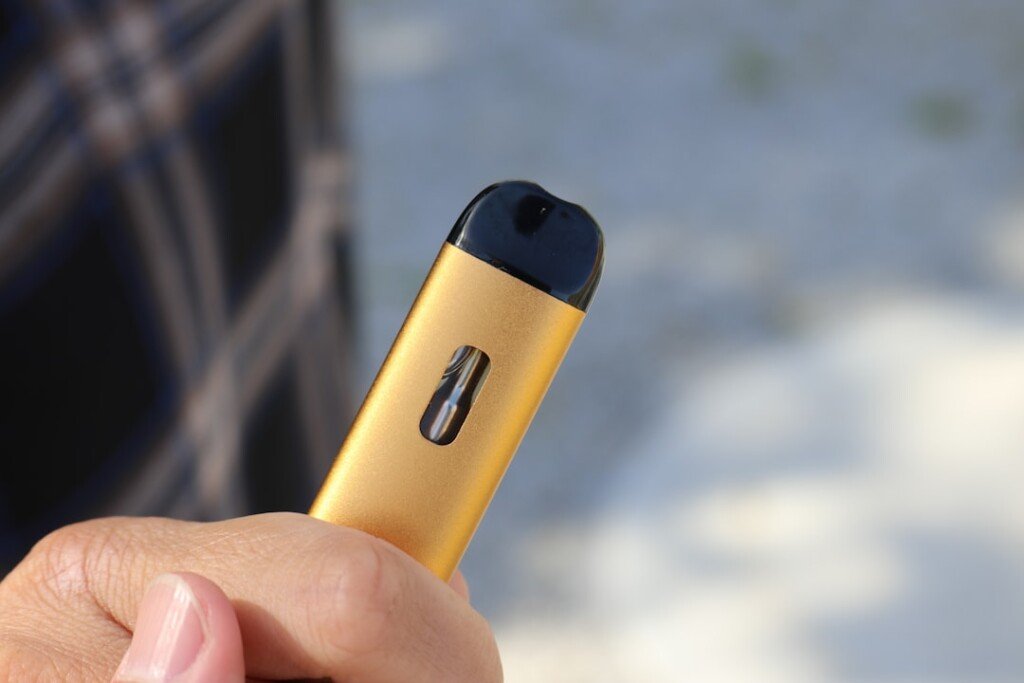
Featured image: A person holding a yellow disposable vape device, photo by Elsa Olofsson on Unsplash.