




A PG with food in Kolkata typically costs ₹1,500 to ₹3,000 more per month than the same room without meals, since the premium covers meals prepared by an in-house cook rather than a caterer or your own kitchen. Whether that trade is worth it depends on your routine: a food-inclusive PG saves you the daily hassle of cooking or ordering in, which matters most for students and first-time renters new to the city, while a no-food PG hands you full control over what and when you eat, and can work out cheaper if you already cook or manage meals on a tight budget. This guide breaks down what each option typically includes, how the costs compare, and the questions worth asking before you commit to either.
What a Food-Inclusive PG Usually Includes
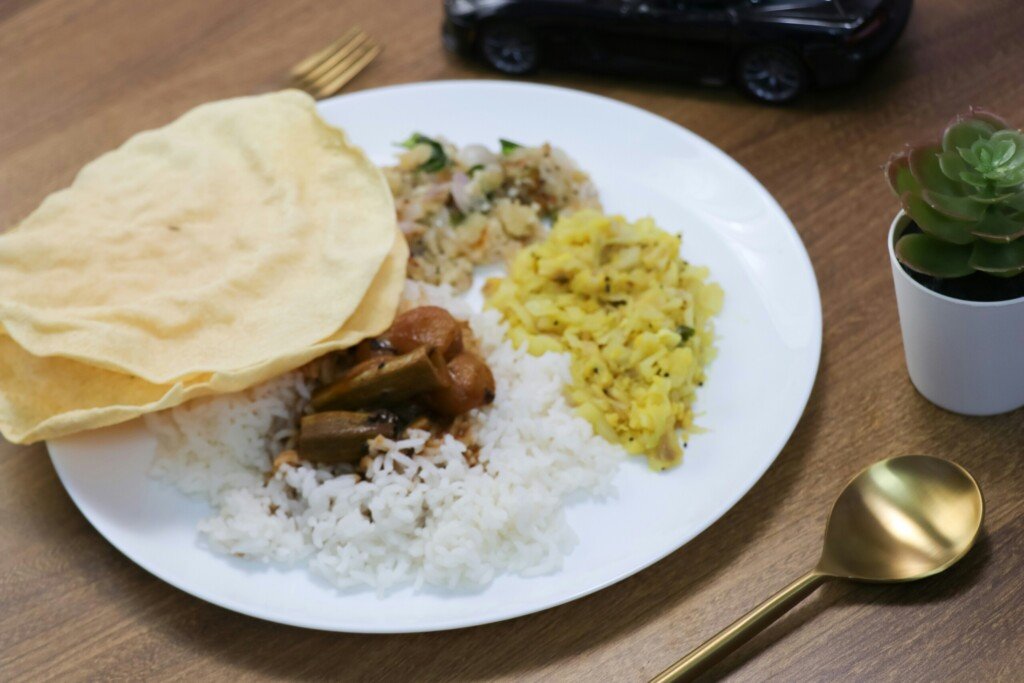
Most food-inclusive PGs in Kolkata provide two meals a day, breakfast and dinner, with lunch either offered as an add-on tiffin service or left out entirely for residents who eat at college or work. A typical PG mess menu runs on rice, dal, one vegetable, and a rotating protein such as egg, fish, or chicken on select days, with roti replacing rice once or twice a week. Meal timings are usually fixed, often around 8-9 AM and 8-9:30 PM, and most PGs expect you to eat within that window rather than reheat a plate later. Higher-end managed PGs and co-living setups sometimes offer a wider rotation, weekend specials, or an optional lunch add-on for a few hundred rupees more, while budget PGs closer to college campuses tend to stick to a simpler, repetitive menu.
What You Give Up (and Gain) Without Food
A no-food PG simply rents out the room and leaves meals up to you, usually shaving ₹1,500 to ₹3,000 off the monthly rent compared to an identical room with food included. This suits people who already have a fixed eating routine, such as working professionals who eat at an office cafeteria on weekdays, or anyone with dietary needs a shared mess can’t easily accommodate, including strict vegetarians, allergy-specific diets, or intermittent fasting schedules. The catch: cooking is rarely allowed inside PG rooms for fire-safety reasons, so “without food” doesn’t mean self-cooking. Most residents end up relying on nearby tiffin services, food delivery apps, or cheap local eateries, and those costs can quietly erase the rent savings if you’re not disciplined about tracking them.
Cost Comparison: Food-Inclusive vs. No-Food PGs
| Option | Typical Monthly Cost Impact | Best For |
|---|---|---|
| PG with food included | +₹1,500 to ₹3,000 over base rent | Students, first-time renters, anyone who’d rather not cook or order daily |
| No-food PG + local tiffin service | Tiffin services typically run ₹2,500 to ₹3,500/month, often close to the food-inclusive premium | Residents with specific dietary needs but limited time to cook |
| No-food PG + self-managed meals | Highly variable, roughly ₹3,000 to ₹6,000+/month if eating out or ordering in regularly | Working professionals with a fixed meal routine elsewhere (office cafeteria, home-cooked lunch) |
Hidden Costs to Watch For
- Guest meal charges: most PGs charge ₹50-100 per plate if you want to feed a visiting friend or family member, billed separately from your monthly mess fee.
- No refund for skipped meals: almost no PG mess adjusts the bill if you skip meals for a few days, whether for travel or simply eating out; ask about this policy upfront.
- Festival and weekend menu changes: some PGs charge a small premium during festival weeks for a special menu, so check whether that’s built into the standard mess fee.
- Water and gas surcharges: a few PGs bill mess and utilities as a single combined charge, which can make it harder to see exactly what you’re paying for food alone.
- Late joining or mid-month charges: mess fees are usually charged as a flat monthly rate regardless of when in the month you join, so timing your move-in date can matter.
How to Decide Which Option Fits You
If you’re new to Kolkata, juggling a demanding college or work schedule, or simply don’t want to think about meals every day, food-inclusive is usually worth the extra ₹1,500-3,000: it buys back time and removes one more thing to plan around in an unfamiliar city. If you have specific dietary requirements, already have a lunch routine sorted through work, or are comfortable managing a rotation of tiffin services and nearby eateries, a no-food PG can save money, though the savings shrink once you factor in eating out regularly. Either way, get the mess menu, timings, and any guest-meal or skip-meal policy in writing before you pay a deposit, alongside the standard paperwork covered in our PG documents and deposit rules guide. If hygiene is a concern, look for a kitchen that follows basic practices along the lines of what the Food Safety and Standards Authority of India (FSSAI) recommends for small food establishments: covered water storage, clean cooking surfaces, and properly stored raw ingredients are reasonable things to ask about during a visit. It’s also worth comparing how the food question interacts with room type using our PG sharing cost comparison, and running a final safety check with our PG safety checklist for first-time renters.
Frequently Asked Questions
How much extra does food cost in a Kolkata PG?
Food-inclusive PGs typically cost ₹1,500 to ₹3,000 more per month than the same room without meals, though the exact premium depends on the PG’s menu quality and whether lunch is included.
Can I switch from food-inclusive to no-food after moving in?
Some PGs allow it with a month’s notice, but many don’t offer flexible switching mid-agreement since the mess is planned around a fixed headcount. Ask before signing if you think your preference might change.
Is a tiffin service cheaper than a PG mess?
Not usually. Local tiffin services in Kolkata typically cost ₹2,500 to ₹3,500 a month for two meals a day, which is close to or sometimes higher than what a PG charges for food included in the rent.
Are PGs allowed to charge for guest meals?
Yes, this is standard practice. Most PGs charge ₹50-100 per plate for a guest meal, billed on top of your regular mess fee, so check the rate before inviting someone over for dinner.
What if I have dietary restrictions the PG mess can’t handle?
A no-food PG is usually the better fit, since it lets you source meals that match your diet exactly rather than negotiating exceptions with a shared kitchen. Some larger managed PGs do offer separate vegetarian or Jain menus on request, so it’s worth asking before ruling one out.