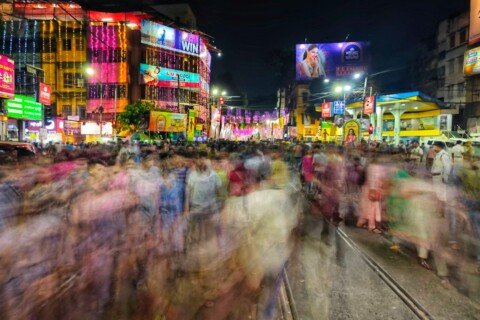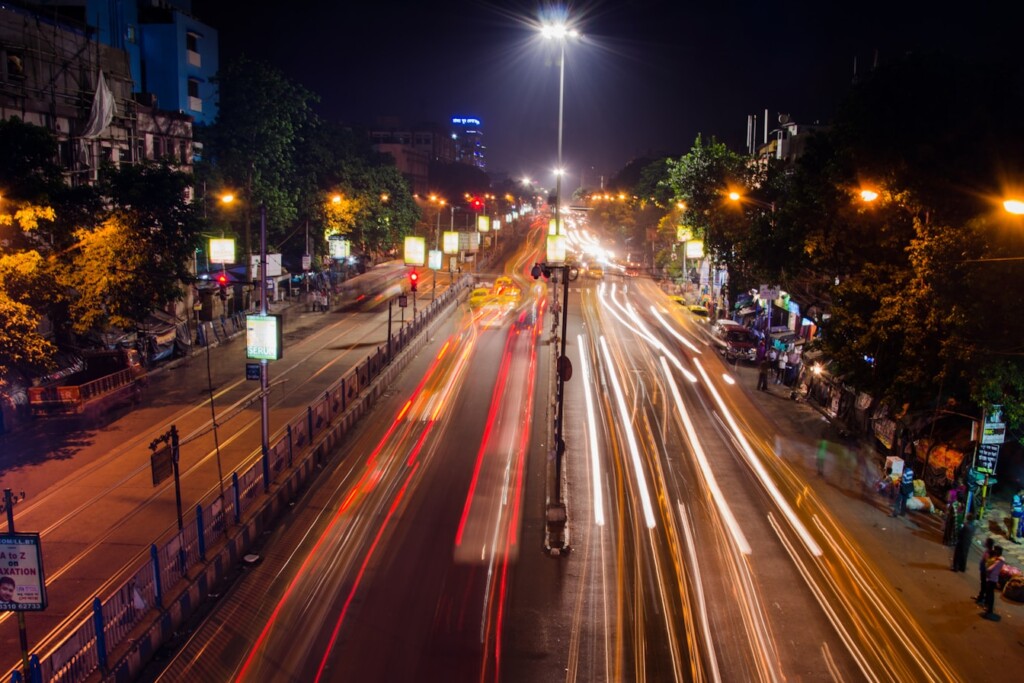



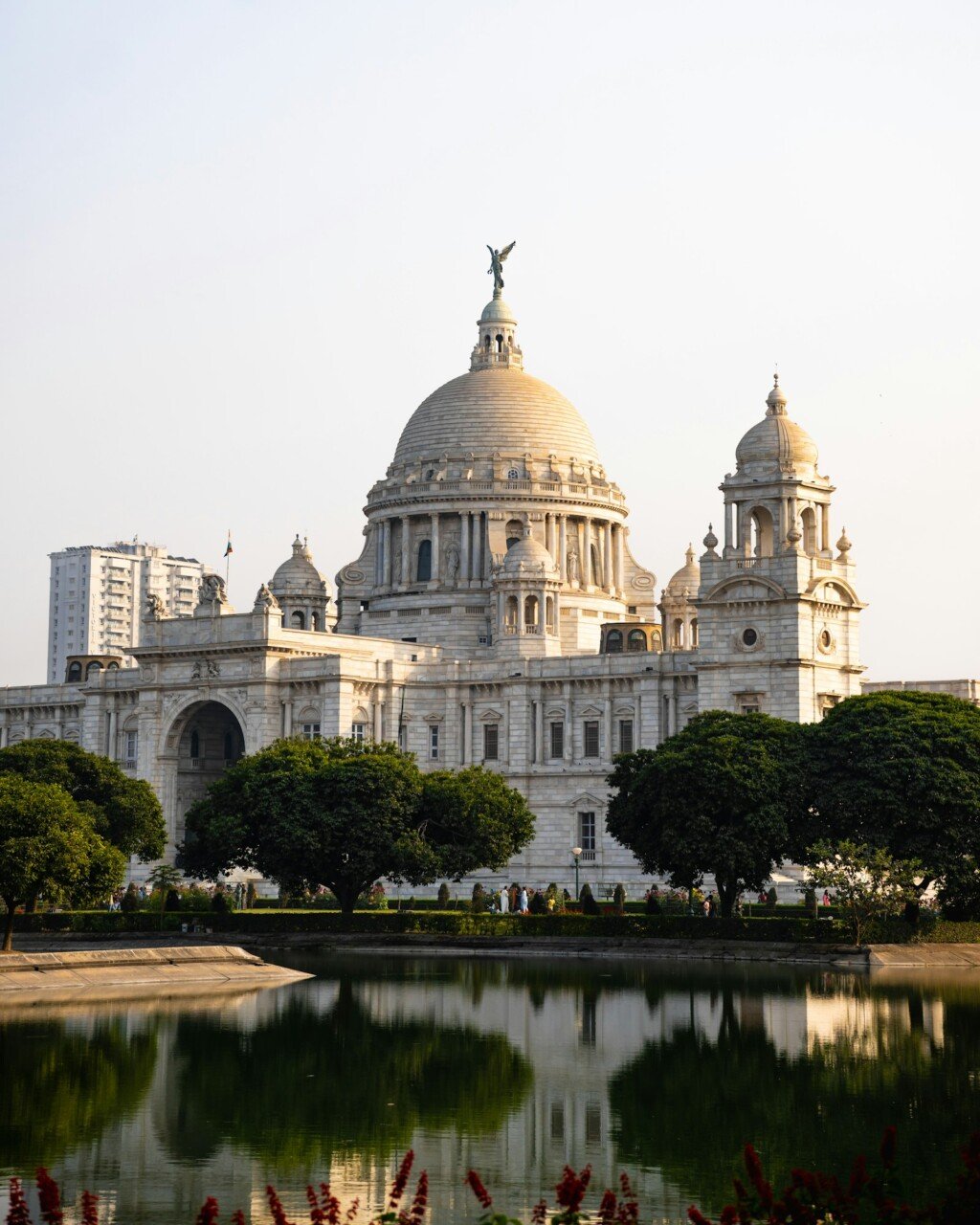

Things to do in Kolkata cluster naturally by neighbourhood, which makes the city easier to explore in loops rather than one long checklist. Central Kolkata around the Maidan holds the big-ticket sights: Victoria Memorial, the Indian Museum, and St. Paul’s Cathedral, all walkable from each other. North Kolkata is the city’s older, more residential heritage core, with College Street’s book market and the narrow lanes around Kumartuli’s idol-makers. South Kolkata mixes Kalighat Temple with quieter spots like Rabindra Sarobar lake. Across the Hooghly, Howrah Bridge and Belur Math (the Ramakrishna Mission’s headquarters) make for a strong half-day riverside trip, often paired with Dakshineswar Kali Temple further north. Layer in Kolkata’s food scene — street snacks, Tangra’s Chinese restaurants, historic Park Street eateries — and even a short visit can fill three or four full days without repeating a neighbourhood.
Central Kolkata: Maidan, Victoria Memorial & the Museums
The Maidan is Kolkata’s enormous central park and the natural starting point for sightseeing. Victoria Memorial, a white marble monument turned museum with 25 galleries of art, photographs, and artefacts, sits at its southern edge and is generally open 10am–6pm (closed Mondays), with a separate, cheaper ticket for just the gardens. A short walk away, the Indian Museum, one of the oldest and largest in Asia, covers everything from Egyptian mummies to Indian sculpture. St. Paul’s Cathedral, with its Gothic architecture, and the Academy of Fine Arts round out a comfortable half-day loop. Our dedicated piece on Victoria Memorial goes deeper on ticketing and what to prioritise inside.
North Kolkata: Heritage Lanes, College Street & Kumartuli
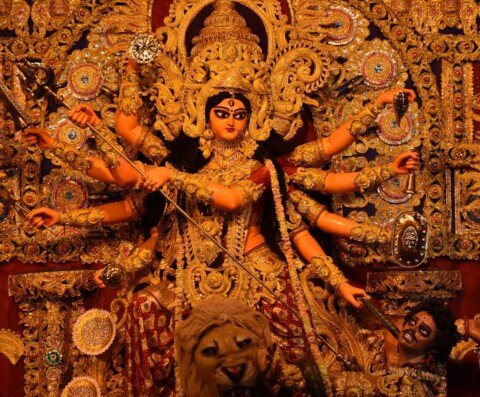
North Kolkata is where the city feels oldest — narrow lanes, century-old mansions, and a slower pace than the business districts further south. College Street, dubbed “Boi Para” (book town), is Asia’s largest second-hand book market and worth an unhurried browse even if you’re not buying. Kumartuli, the potters’ quarter where artisans hand-build the clay idols used across the city’s festivals, is fascinating to walk through, especially in the months leading up to Durga Puja. This part of the city rewards wandering more than it rewards a rigid itinerary.
South Kolkata: Kalighat & Rabindra Sarobar
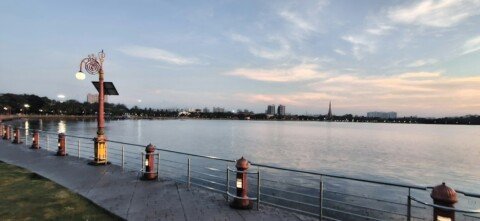
Kalighat Temple, one of the 51 Shakti Peethas and among Kolkata’s most significant pilgrimage sites, anchors south Kolkata’s spiritual side, while Rabindra Sarobar, a large lake and park, offers a calmer, greener contrast popular with morning walkers and joggers. This part of the city is also well connected by the Blue Line metro, making it an easy add-on to a Maidan-area day rather than requiring a separate trip.
Across the River: Howrah Bridge, Belur Math & Dakshineswar
Howrah Bridge, a cantilever bridge and one of Kolkata’s most recognisable landmarks, is worth seeing both up close and from a boat on the Hooghly river if you have time. Further north, Belur Math, the headquarters of the Ramakrishna Mission, blends architectural styles from several religious traditions into one striking riverside campus. Dakshineswar Kali Temple, about 22 km from central Kolkata and founded by the reformer Rani Rashmoni, is one of the region’s most significant pilgrimage sites and pairs naturally with Belur Math on the same day, since both sit along the river.
Eating Your Way Through the City
No Kolkata itinerary is complete without its food. For street snacks, our guide to kathi rolls, jhalmuri, and puchka covers where locals actually go, while Tangra’s Chinese restaurants deserve a dedicated evening if you have one to spare. If you’d rather build a fuller multi-day plan around all of these areas, our roundup of the best Kolkata tours lays out a few ready-made routes.
Kolkata Neighbourhoods at a Glance
| Area | Highlights | Time Needed |
|---|---|---|
| Central (Maidan) | Victoria Memorial, Indian Museum, St. Paul’s Cathedral | Half day |
| North Kolkata | College Street book market, Kumartuli | Half day |
| South Kolkata | Kalighat Temple, Rabindra Sarobar | Half day |
| Across the river | Howrah Bridge, Belur Math, Dakshineswar | Full day |
Frequently Asked Questions
How many days do you need to see Kolkata properly?
Three to four days lets you cover central, north, and south Kolkata plus a riverside day for Howrah Bridge, Belur Math, and Dakshineswar without rushing. A single day can still cover the Maidan area comfortably if that’s all the time you have.
What is the best time of year to visit Kolkata?
October to February is generally considered the most comfortable window, with daytime temperatures roughly between 12–25°C and lower humidity than the monsoon or peak summer months.
Is Victoria Memorial open every day?
The main gallery is closed on Mondays and national holidays, though the gardens generally stay open daily with a separate, lower-priced ticket. Always check the official Victoria Memorial site before visiting, since hours and fees can change.
Can Howrah Bridge, Belur Math, and Dakshineswar be visited in one day?
Yes, all three sit along the Hooghly river within a reasonable distance of each other, and combining them into one riverside day is a common and efficient way to see this side of the city.
What’s the easiest way to get between these neighbourhoods?
The Kolkata Metro’s Blue and Green lines cover the central, north, and Sector V routes well, while Howrah, Belur Math, and Dakshineswar are more easily reached by taxi, app-based cab, or a combination of metro and short local transport.