



The Kolkata Metro Blue Line is the city’s original north-south corridor, running about 32 km from Dakshineswar in the north to Kavi Subhash (New Garia) in the south, with 26 stations along the way. It is India’s oldest metro line, opened in 1984, and still the busiest in Kolkata, carrying around six lakh passengers on a typical weekday. Fares are distance-based and currently range from Rs 5 to Rs 25, and trains run from about 6:00 AM to roughly 10:30 PM on weekdays and Saturdays, with a later start on Sundays. One important thing to know before you travel: the southern terminus at Kavi Subhash is closed for reconstruction, so Blue Line trains currently start and end at Shahid Khudiram, one stop north. This guide walks through every station, the key interchanges, fares, timings and practical tips so you can use the line with confidence.
Kolkata Metro Blue Line at a Glance
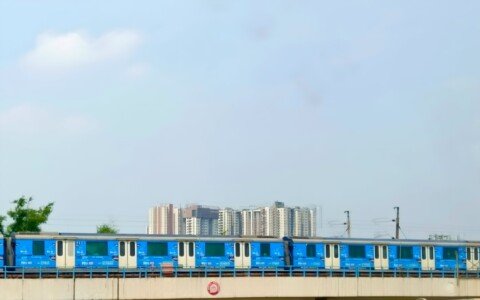
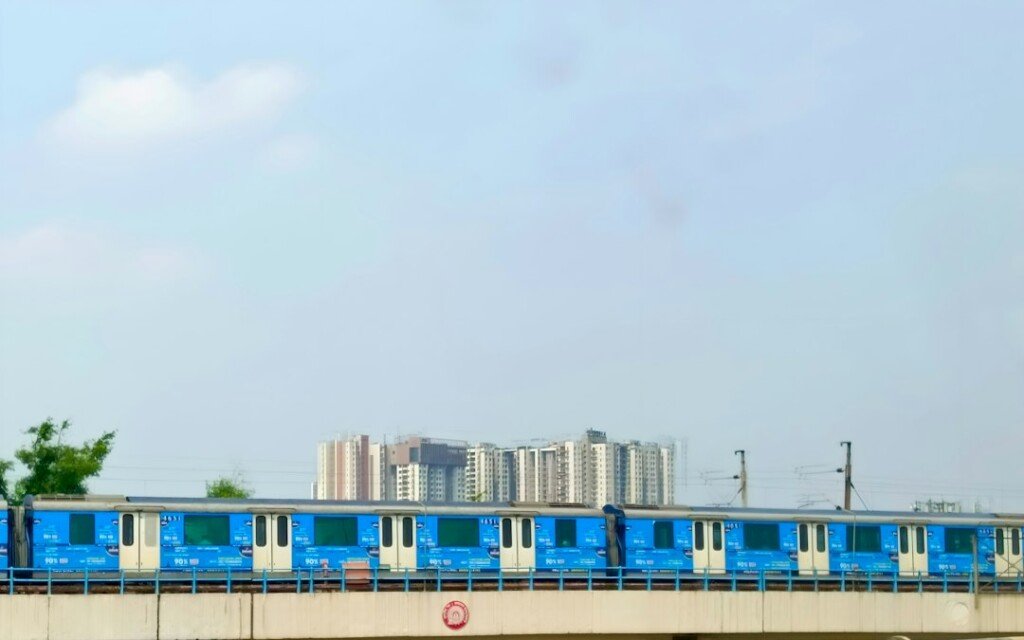
The Blue Line (officially Line 1, often called the North-South Metro) runs under, on and above the city, depending on where you are. Fifteen stations are underground through the dense central and north-central stretch, two are at grade (Mahanayak Uttam Kumar and Kavi Subhash), and nine are elevated, mostly on the northern Noapara-Dakshineswar extension and the southern Tollygunge-Garia extension. An end-to-end run takes roughly an hour, and trains use eight-coach air-conditioned rakes. Average headways sit around 10 minutes, with tighter gaps during morning and evening peaks. The line is operated by Metro Railway, Kolkata, a zone of Indian Railways, which also publishes the official schedule and fare chart.
All 26 Blue Line Stations from North to South
Here is the full station list in order, from the northern end to the southern end, grouped by the part of the city each stretch serves. Several stations were renamed in 2009, so the older names still used by locals are noted where relevant.
Northern stretch: Dakshineswar to Dum Dum
Dakshineswar (elevated, opened 2021) sits a short walk from the Dakshineswar Kali Temple and the ferry ghat to Belur Math. Next is Baranagar, which is planned as the future interchange for the Pink Line towards Barrackpore, followed by Noapara, the interchange with the Yellow Line to the airport and home to a major depot. Dum Dum, the fourth stop, connects directly to Dum Dum Junction suburban railway station and was the northern terminus for most of the line’s history. This stretch is entirely elevated, so it offers a rare above-ground view of the northern suburbs.
North Kolkata underground: Belgachia to Mahatma Gandhi Road
From Belgachia the line goes underground and stays there through the heart of old Kolkata. Shyambazar serves the famous five-point crossing and the north Kolkata food and shopping belt, while Shobhabazar Sutanuti is the stop for Kumartuli, the Shobhabazar Rajbari and the Bagbazar puja circuit. Girish Park and Mahatma Gandhi Road serve College Street, Burrabazar and the wholesale markets, with Mahatma Gandhi Road being the closest station to Boi Para and the Coffee House.
Central Kolkata: Central to Park Street
Central station sits under Central Avenue near Bowbazar and the Medical College. Chandni Chowk is the stop for the electronics market and the New Market side of Esplanade. Esplanade itself is the network’s most important station: it is the interchange with the Green Line (East-West Metro) to Howrah and Sealdah, the gateway to the Esplanade bus terminus, and the future junction for the Purple Line. Park Street, one stop south, brings you to the restaurant and nightlife strip, the Indian Museum and the Maidan’s eastern edge.
South-central: Maidan to Rabindra Sarobar
Maidan serves Victoria Memorial and the racecourse. Rabindra Sadan is the stop for Nandan, the Academy of Fine Arts and the SSKM Hospital complex. Netaji Bhavan (formerly Bhowanipore) was part of the very first section opened in 1984 and serves the Bhowanipore residential and shopping area. Jatin Das Park covers Hazra crossing, and Kalighat is the closest station to the Kalighat Temple and Gariahat’s western approach. Rabindra Sarobar sits beside the lake and connects on foot to Tollygunge suburban railway station.
Southern stretch: Mahanayak Uttam Kumar to Kavi Subhash
Mahanayak Uttam Kumar (still widely called Tollygunge) is the at-grade station beside the Tollygunge tram and bus hub and the Tollygunge depot. From here the line climbs onto an elevated viaduct through Netaji (Kudghat), Masterda Surya Sen (Bansdroni), Gitanjali (Naktala) and Kavi Nazrul (Garia Bazar), each serving densely populated south Kolkata neighbourhoods and their PG and student belts. Shahid Khudiram (Briji) is currently the working southern terminus. Kavi Subhash (New Garia), the official end of the line and the interchange with the Orange Line and New Garia suburban station, is closed to Blue Line passengers while the station is rebuilt.
Why Blue Line Trains Currently Terminate at Shahid Khudiram
In late July 2025, cracks were found in the columns supporting the Blue Line platforms at Kavi Subhash. Metro Railway closed those platforms as a safety measure and later decided to demolish and rebuild the Line 1 section of the station. A crossover and reversal point were installed at Shahid Khudiram so that trains could turn around there without disrupting the rest of the line. As of September 2026, Blue Line passenger services still start and end at Shahid Khudiram; the Orange Line platforms at Kavi Subhash operate separately. If you need to reach New Garia suburban station or the Orange Line, the usual workarounds are a short auto or bus ride from Shahid Khudiram, or a Sealdah South local train to New Garia. Reopening dates have shifted more than once, so check the latest advisory from Metro Railway before relying on Kavi Subhash.
Blue Line Interchanges: Where to Change Lines
The Blue Line connects to the rest of the network at three working points. At Esplanade you can change to the Green Line for Howrah Maidan across the river or Sealdah to the east. At Noapara you can change to the Yellow Line for Jai Hind (Kolkata Airport). At Kavi Subhash the Orange Line towards Ruby and, eventually, the airport begins, though that connection is awkward while the Blue Line platforms are closed. Suburban rail links exist at Dum Dum, Dakshineswar, Baranagar, Rabindra Sarobar and Kavi Subhash. For a step-by-step walkthrough of each interchange, including exits and walking times, see our Kolkata Metro interchange stations guide, and for how the Green Line fits in, read the Green Line guide and the Airport Metro (Yellow Line) guide.
How Much Does the Kolkata Metro Blue Line Cost?
Fares on the Blue Line are charged by distance in slabs, currently starting at Rs 5 for the shortest hops and rising to Rs 25 for the longest journeys, such as Dakshineswar to Shahid Khudiram. A typical central Kolkata trip, for example Esplanade to Kalighat or Dum Dum to Esplanade, falls in the Rs 10 to Rs 20 range. Because the Blue and Green lines are part of one integrated fare system, a single ticket covers a journey that changes lines at Esplanade. You can pay with a plastic token from the counter or vending machine, a rechargeable smart card, or a QR ticket bought through the official app or at station kiosks; smart cards usually come with a small bonus on recharge. Fare slabs are revised occasionally, so confirm the exact fare on the station display or the official fare chart before you travel. Our Kolkata Metro ticket and smart card guide explains each option in detail.
Blue Line Timings: First and Last Trains
On weekdays and Saturdays, the first Blue Line trains leave the terminals at around 6:00 AM and the last services run until roughly 10:30 PM, following the schedule extension introduced in mid-2026. Sunday service starts later, typically around 9:00 AM, and also ends by about 10:30 PM. Trains at the extreme ends of the day are less frequent, and the exact departure time at an intermediate station is a few minutes after the terminal departure, so build in a buffer if you are catching a late train or an early flight. Occasional Sunday maintenance blocks can suspend service on part of the southern stretch for several hours, and these are announced a few days in advance. The Metro Railway Kolkata website carries the current timetable and advisories, and our first and last train timings guide covers every line.
Practical Tips for Riding the Blue Line
The Blue Line is extremely crowded between about 8:30 and 10:30 AM and again from 5:30 to 8:00 PM, especially through the Esplanade to Kalighat section. If you can, travel outside those windows or board at a terminal station to get a seat. Platforms on the older underground stretch do not yet have screen doors, so stand behind the yellow line. A section of seats in every coach is reserved for women, and the first coach is generally the least crowded. Keep your token or card handy, since you need it to exit. Escalators and lifts exist at most stations but not every entrance, so if you have luggage, look for the marked lift entrance. Mobile signal is patchy underground; download your QR ticket before entering. Finally, for the wider picture of how the metro links with buses, ferries and autos, see our Kolkata Metro route guide.
Frequently Asked Questions
How many stations are on the Kolkata Metro Blue Line?
The Blue Line has 26 stations between Dakshineswar and Kavi Subhash. With Kavi Subhash closed for reconstruction, 25 are currently open to Blue Line passengers, and trains terminate at Shahid Khudiram.
How long does it take from Dakshineswar to Shahid Khudiram by metro?
An end-to-end journey takes roughly an hour, depending on dwell times and the time of day. Dakshineswar to Esplanade is about 30 minutes, and Esplanade to Shahid Khudiram about 30 minutes more.
Which Blue Line station is closest to Howrah Station?
No Blue Line station is at Howrah. Change at Esplanade to the Green Line, which runs under the Hooghly to Howrah station and Howrah Maidan in a few minutes.
Is Tollygunge the same as Mahanayak Uttam Kumar station?
Yes. Tollygunge station was renamed Mahanayak Uttam Kumar in 2009 after the actor. Locals, bus conductors and auto drivers still call it Tollygunge, so both names refer to the same at-grade station.
Does the Blue Line go to the airport?
Not directly. Take the Blue Line to Noapara and change to the Yellow Line, which runs to Jai Hind (Kolkata Airport) station beneath the terminal.