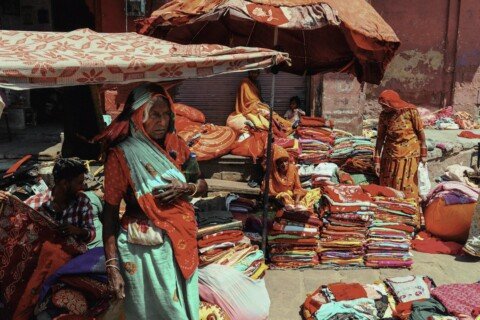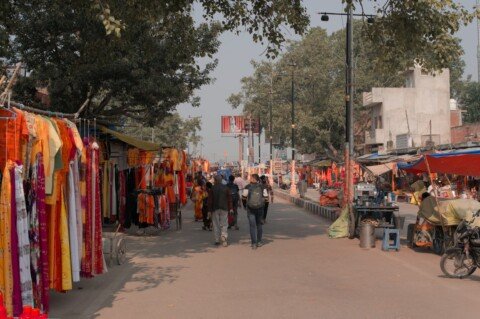




The best places to buy Bengali sarees in Kolkata are Gariahat and Rashbehari Avenue for sheer variety, the Dakshinapan complex in Dhakuria and Biswa Bangla outlets for state handloom, Tantuja’s exclusive Baluchari showroom on Park Street and its Jamdani showroom on Lenin Sarani for specialist weaves, and boutiques such as Ananda on Russel Street and Byloom near Gariahat for designer handloom. The weaves to look for are Tant (Tangail), Dhaniakhali, Jamdani, Baluchari and Garad, each with a distinct look and price range. Everyday cotton Tant is usually the most affordable, while pure silk Baluchari and fine Jamdani cost considerably more, so confirm current prices in the shop before you buy. Compare two or three shops, ask where a saree was woven, and check for the handloom mark. This guide explains each weave, the best shops by area, a buying checklist and common questions.
Which Traditional Bengali Sarees Should You Know?
Bengal has one of the richest handloom traditions in India, and a few weaves come up again and again in Kolkata shops. Knowing the basics helps you ask the right questions and avoid paying silk prices for a power-loom imitation.
Tant (Tangail) Sarees
Tant is the classic Bengali cotton saree: light, crisp and made for the humid climate. It is woven with figured motifs and is a close cousin of Jamdani, using a similar extra-weft technique. Tant has Geographical Indication status, and it is the saree most Bengali women wear day to day, which makes it a good first purchase.
Dhaniakhali Sarees
Named after the handloom hub of Dhaniakhali, which dates back to 1938, these sarees are simple and elegant. They are often woven in kora (natural off-white) with a bold red or black plain border. Dhaniakhali received a Geographical Indication tag in 2011.
Jamdani Sarees
Jamdani is a fine, labour-intensive muslin weave with geometric or floral motifs worked in by hand. It began in the Mughal-era Dhaka tradition, and in West Bengal the main production centres are in the Nadia and Purba Bardhaman areas. Because a single saree can take a long time to weave, genuine Jamdani is priced accordingly.
Baluchari Sarees
Baluchari takes its name from Baluchar in Murshidabad, and the craft later moved to Bishnupur. These are pure silk sarees woven on jacquard looms, known for their lustrous finish and for pallus that depict scenes from the Ramayana and Mahabharata. They are an occasion saree and often a family heirloom.
Garad Sarees
Garad means white, and these sarees are traditionally woven in Murshidabad from undyed mulberry or tussar silk with a red or maroon border. A white saree with a red border is a staple of Bengali wardrobes, especially during Durga Puja.
Best Places to Buy Bengali Sarees in Kolkata
Gariahat and Rashbehari Avenue
For choice, this is the first stop. Large multi-floor shops such as Balaram Saha and RMCG Basak divide their floors by saree type, so you can compare Tant, silk and festive weaves under one roof. Smaller boutiques nearby, including Byloom on Hindustan Park Road, focus on handloom made with Bengal weavers. Our Gariahat shopping guide covers timings, bargaining tips and how to reach the crossing.
Dakshinapan and Biswa Bangla
The Dakshinapan complex in Dhakuria brings state emporiums together, and Biswa Bangla, the state handloom and handicraft brand, also has an outlet on Park Street. The advantage here is that prices are displayed and the goods come through cooperative and weaver networks. See our Dakshinapan shopping complex guide for closing days and what each emporium sells.
Tantuja Showrooms
Tantuja is the West Bengal handloom cooperative that markets goods made by primary weavers’ cooperative societies, self-help groups and weaver clusters. It runs an exclusive Baluchari showroom on Park Street and an exclusive Jamdani showroom on Lenin Sarani, which makes it a sensible place to see the two most prized weaves side by side. You can read more on the West Bengal handloom cooperative’s official page.
Park Street Area Boutiques
Ananda, on the ground floor of Queen’s Mansion at 13 Russel Street, is known for cotton weaves including tangails, printed silks and dhaniakhalis, and it has its own handblock print units. It suits shoppers who want contemporary colours on traditional fabrics. For a wider view of the city’s markets, read our Kolkata shopping guide.
How Much Do Bengali Sarees Cost?
Prices vary widely with fibre, weaving time, design and shop, and they change with the season, so treat any figure you read online as a starting point only. As a general pattern, cotton Tant and Dhaniakhali sarees sit at the lower end, Garad and tussar silk in the middle, and pure silk Baluchari and fine Jamdani at the top. Festive periods such as Durga Puja bring crowds and sometimes sale offers, so confirm the current price directly with the shop and ask for a written bill.
How to Spot a Genuine Handloom Saree
A few simple checks go a long way. Look at the back of the fabric: in a handloom piece the motifs are woven in, with floats or small irregularities, rather than printed or perfectly uniform. Ask which district or cooperative produced the saree. Look for the official handloom mark or a weaver or cooperative tag. Be wary of very low prices for silk weaves, because that usually points to a power-loom copy or a blend. Buying from cooperative outlets or established shops, and keeping the bill, protects you if there is a problem later.
Tips for Buying Sarees in Kolkata
Visit on a weekday if you can, since big shops get crowded at weekends and before festivals. Decide your budget and occasion first, then ask to see two or three weaves in that range. Check the border, pallu and any zari work in daylight, and ask about care: Tant needs gentle washing and light starch, while silk weaves usually need dry cleaning. If you are visiting from outside the city and want gifts more broadly, our guide to souvenirs and gifts to buy in Kolkata and the New Market guide are useful companions.
Frequently Asked Questions
Where can I buy Bengali sarees in Kolkata?
Gariahat and Rashbehari Avenue offer the widest range, Dakshinapan and Biswa Bangla suit state handloom, and Tantuja’s showrooms on Park Street and Lenin Sarani specialise in Baluchari and Jamdani.
Which Bengali saree is best for Durga Puja?
The white Garad saree with a red border is the traditional favourite, though many people also choose Tant, Dhaniakhali or Jamdani for the festival.
What is the difference between Tant and Jamdani?
Both use an extra-weft technique, but Tant is a lighter everyday cotton with figured motifs, while Jamdani is a finer muslin with hand-woven geometric or floral patterns and usually costs more.
Where does Baluchari come from?
Baluchari is named after Baluchar in Murshidabad, and the craft later shifted to Bishnupur. It is a pure silk saree known for pallus showing epic scenes.
Can I bargain when buying sarees in Kolkata?
Large fixed-price shops and cooperative outlets usually do not negotiate, while small stalls and street markets often do. Always confirm the price and get a bill.