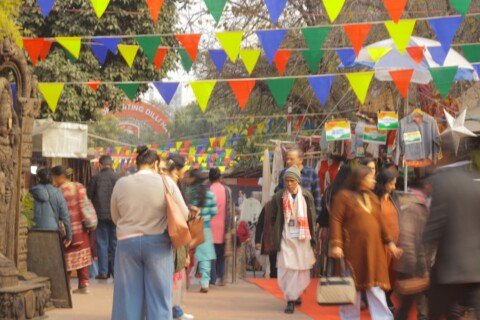




Durga Puja shopping in Kolkata usually starts four to six weeks before the festival and peaks in the last two weeks, when New Market, Gariahat, Hatibagan, Burrabazar and Sakherbazar stay open late and get very crowded. The best approach is to buy early, shop on weekday mornings and match each market to what you need: New Market and Hatibagan for clothes and sarees, Gariahat for bangles, footwear and accessories, Burrabazar for wholesale fabric, and Dakshinapan for handloom at fixed prices. Budget with rough ranges rather than exact figures, because festive rates change every year, and carry cash and small notes for street stalls. Use the Metro where you can, since roads around the main markets slow down badly in the final week.
When to Start Durga Puja Shopping in Kolkata
Most families begin a month or more before the festival, once the dates are fixed and the first festive stock reaches the shops. Early shopping gives you the widest choice of sizes and designs, and it avoids the rush that builds from Panchami onward. Weekday mornings are the calmest. Weekends and the last ten days before the Puja are the busiest, and many markets keep extended festive hours, so it is worth checking with a shop before you travel a long distance.
If you want tailored clothes, start even earlier. Tailors and boutiques fill up quickly, and rush orders usually cost more.
Best Markets for Durga Puja Shopping
New Market and Lindsay Street
New Market is the classic one-stop destination for textiles, ready-made garments, jewellery and party supplies, with budget buys sitting alongside higher-end silks. It rewards patience and bargaining, and it is best visited early in the day or late in the afternoon. Our New Market guide covers what to buy and how to bargain, and the Esplanade street shopping guide covers the footpath stalls nearby.
Gariahat and Hatibagan
Gariahat in South Kolkata is known for bangles, ready-made blouses, garments, footwear and street stalls where bargaining is expected. Hatibagan in the north is a long-time favourite for sarees and festive wear. Both are well served by buses and cabs, and Kalighat is the nearest Metro station for parts of Gariahat. See the Gariahat shopping guide for timings and how to reach.
Burrabazar and Sakherbazar
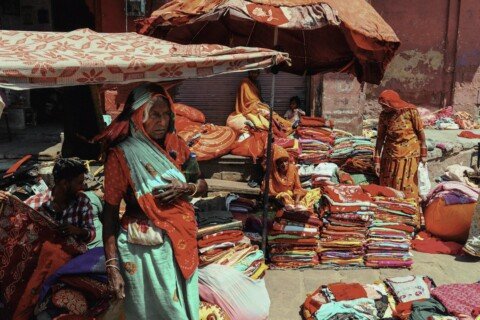
Burrabazar is the city’s wholesale hub for fabric, dupattas and accessories, and it suits buyers who want to purchase in quantity. Mahatma Gandhi Road and Girish Park are the closest Metro stations. Sakherbazar in Behala is a popular choice for South and West Kolkata families who prefer to avoid the central crowds.
Dakshinapan and Handloom Emporia
Dakshinapan Shopping Complex is calmer and better organised than the street markets, with handloom textiles, woven sarees, jewellery and home decor, including government-run emporia with fixed prices. It is a good choice if you dislike bargaining or want to be sure of authenticity. For traditional weaves, read our guide to Bengali sarees in Kolkata.
Malls for Brands and Comfort
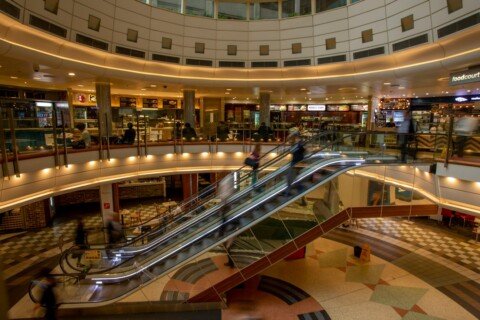
If you prefer air conditioning, parking and fixed prices, the city’s malls run festive sales before the Puja. Compare options in our guide to the best malls in Kolkata.
What to Buy Where
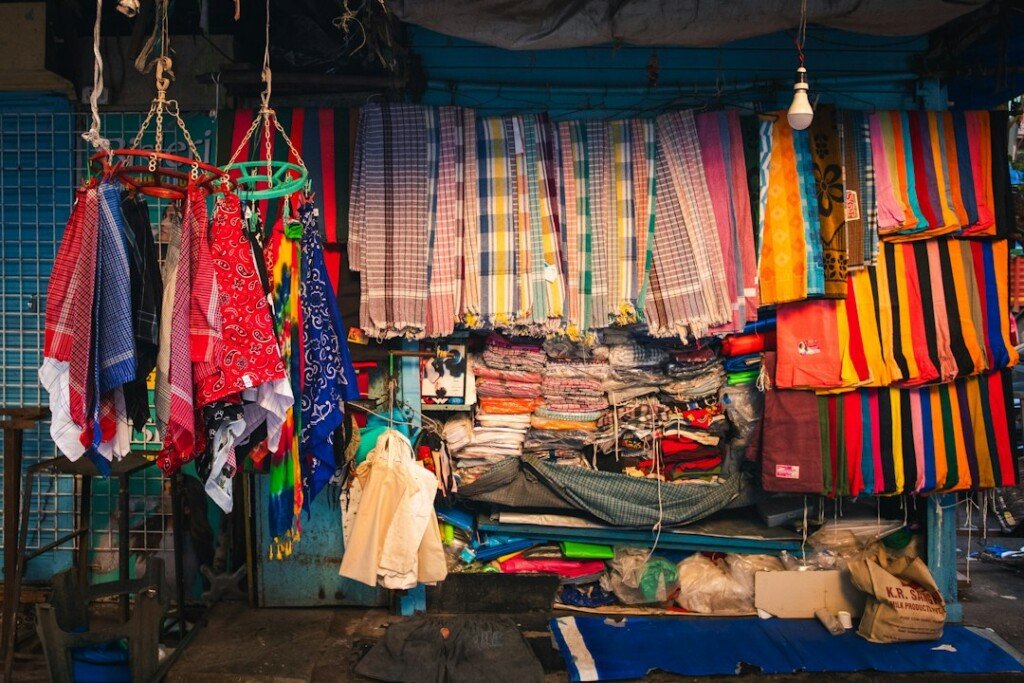
For sarees, start with Hatibagan, Gariahat and the handloom emporia. For kurtas, panjabis and festive menswear, New Market and Hatibagan have the widest range. For bangles, footwear and accessories, Gariahat’s stalls are hard to beat. For fabric by the metre and dupattas, go to Burrabazar. For gifts and books, add College Street or Park Street to your route.
How Much Should You Budget?
Prices vary widely by market, fabric and year, and no single figure applies. As a general rule, street markets and wholesale areas cost noticeably less than boutiques and malls, while handloom and silk sarees sit at the higher end. Set a total budget per person before you leave, split it by category such as clothes, footwear and accessories, and confirm current prices at the shop before committing.
Tips for Bargaining and Safe Shopping
Compare two or three stalls before buying, and begin with an offer well below the asking price at street stalls. Fixed-price emporias and branded stores do not negotiate. Carry cash and small notes, because many stalls do not accept cards, and bring a reusable bag. Keep valuables in a front pocket or cross-body bag in crowded lanes, and check fabric, stitching and returns policy before you pay, since most street stalls do not accept returns.
Getting Around During the Puja Rush
Plan transport around the crowds. Combining the Metro with a short taxi or auto ride works better than driving into the central markets, where parking is scarce and traffic diversions are common. Check the Kolkata Metro’s official website for festive timetable changes, and read our complete Kolkata shopping guide to combine shopping with sightseeing. If you plan to see the pandals as well, our pandal-hopping guide helps with routes. For festival information, see West Bengal Tourism.
Durga Puja Shopping in Kolkata: FAQs
Which is the best market for Durga Puja shopping in Kolkata?
There is no single best market. New Market suits all-round shopping, Hatibagan and Gariahat suit sarees and festive wear, Burrabazar suits wholesale fabric, and Dakshinapan suits handloom at fixed prices.
When is the best time to start Puja shopping?
Four to six weeks before the festival gives the best choice and the smallest crowds. Avoid weekends and the last ten days if you want a calmer trip.
Can you bargain in Kolkata markets?
Yes, at street stalls and in most of New Market, Gariahat and Hatibagan. Emporias, malls and branded shops usually have fixed prices.
Do Kolkata markets accept cards and UPI?
Malls and larger shops do, but many street stalls prefer cash or UPI, so carry some cash in small notes.
Is it easy to drive to the main markets during Puja?
Not usually. Traffic restrictions and crowds make the Metro plus a short taxi ride the easier option in the final week.