


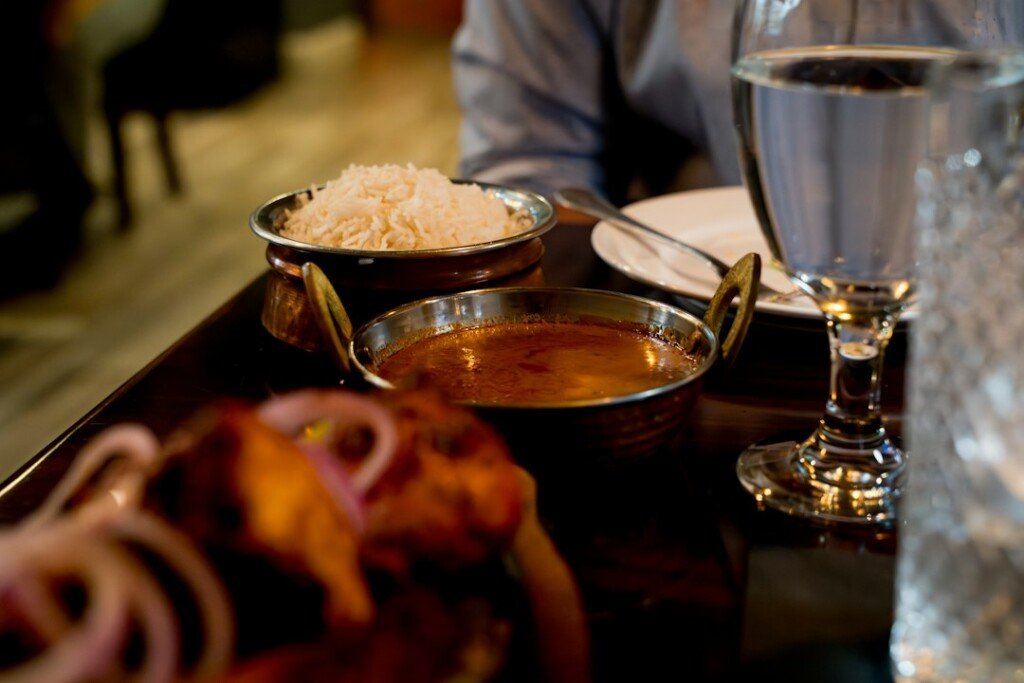

Anglo-Indian food in Kolkata is the city’s colonial-era cuisine, a blend of British roasts, stews and cutlets with Indian spices, shaped by khansamas and home cooks over more than two centuries. Signature dishes include railway mutton curry, country captain chicken, dak bungalow curry, fish kabiraji, devilled eggs and prawns, mulligatawny soup, pork sorpotel and mixed vegetable foogath. You can find them at heritage Park Street eateries, Bengali restaurants that keep colonial classics on the menu, and a few specialist restaurants that run Anglo-Indian food festivals. Expect a meal for two to cost roughly Rs 1,000 to Rs 1,600 at mid-range places, though prices change, so confirm before you go. This guide explains the dishes, where to try them, what to order first and how to plan a visit.
What Is Anglo-Indian Food in Kolkata?
Anglo-Indian cooking grew out of the British period, when Indian cooks adapted European dishes to local ingredients and toned down the heat to suit European palates. After Independence, families of mixed European and Indian descent kept developing their own home recipes, and those dishes now define the community’s table. In Kolkata the cuisine sits alongside Bengali, Mughlai and Chinese traditions, and it overlaps with the city’s club culture, its railway history and the old Park Street dining scene.
The result is food that feels familiar and unfamiliar at once: a cutlet with a crisp crumb but a hint of mustard, a roast served with a tangy sauce, a soup that is part English broth and part South Indian rasam. If you already enjoy the city’s old restaurants, our guide to historic eateries of Kolkata is a good companion read.
Signature Anglo-Indian Dishes to Order
Railway Mutton Curry
A mild, gravy-style mutton curry traditionally linked to the dining cars of the Raj-era railways. It is usually coconut-tinged or lightly spiced and eaten with rice or soft bread. It is the best first order if you want to understand the cuisine.
Country Captain Chicken and Dak Bungalow Curry
Both are old colonial-era staples. Country captain is a lightly spiced chicken curry, while dak bungalow curry takes its name from the government rest houses that once served travellers. Menus differ, so ask how each restaurant prepares it.
Fish Kabiraji, Cutlets and Devils
Kolkata’s love of crumb-fried snacks comes straight from this tradition. Fish kabiraji is a lacy, egg-coated fried fish, cutlets come in fish, prawn and vegetable versions, and devils (such as dimer devil, a spiced egg croquette) make a good starter to share.
Mulligatawny, Foogath and Pork Dishes
Mulligatawny is a spiced soup that works well as an opener. Foogath is a dry-style vegetable stir-fry with coconut. Pork roast, pork bhoonie and pork sorpotel appear on specialist menus, so vegetarians and those who avoid pork should check before ordering.
Where to Eat Anglo-Indian Food in Kolkata
There is no single Anglo-Indian street, so the best approach is to combine a few types of places. Menus and outlets change often, so check current details before travelling.
Bengali Restaurants With Colonial Classics
Several well-known Bengali restaurant brands keep Anglo-Indian dishes on their menus. Reviews and food guides point to Babu Culture for mutton dakbunglaw, 6 Ballygunge Place for fish kabiraji, and Oh! Calcutta for classic railway mutton curry. These are easy first stops because they are established, have multiple outlets and offer familiar Bengali dishes for anyone in your group who prefers them.
Specialist and Festival Menus
Chapter 2, on Hemanta Mukhopadhyay Sarani near Southern Avenue, has hosted an Anglo-Indian food festival that featured railway prawn cutlet, country captain chicken curry, pork bhoonie, pork sorpotel and mixed vegetable foogath. Its interiors recall the Park Street restaurants of the 1960s and 1970s. Festival menus run for limited periods, so call ahead to confirm what is being served.
Park Street and Heritage Dining
Park Street remains the natural place to pair a colonial-style meal with a walk. Read our Park Street neighbourhood guide and our Park Street after dark food guide to plan the evening, and end with something from the city’s classic bakeries.
How Much Does Anglo-Indian Food Cost in Kolkata?
Published restaurant listings put a meal for two at roughly Rs 1,000 to Rs 1,600 at the places named above, while individual dishes at a specialist restaurant have been listed from roughly Rs 250 to Rs 550. Treat these as rough guides only. Taxes, drinks and festival pricing can change the bill, so confirm current prices directly with the restaurant. If your budget is tighter, see our list of budget eats under Rs 200.
Tips for Your First Anglo-Indian Meal
Start with a shared cutlet or kabiraji, add one curry and one dry dish, and finish with a Bengali sweet if the restaurant offers it. Go for lunch or early dinner if you want a quieter room, and book ahead on weekends and around Christmas, when Park Street fills up. Ask your server about pork and beef options, since not every menu serves them. For more on the city’s food scene, Incredible India has an official Kolkata food guide from the tourism ministry.
Frequently Asked Questions
What is the most famous Anglo-Indian dish in Kolkata?
Railway mutton curry and fish kabiraji are two of the most commonly recommended dishes, along with country captain chicken and dak bungalow curry.
Is Anglo-Indian food spicy?
Usually it is mild to moderate. The cuisine was shaped to suit European tastes, so it leans on aromatic spices rather than heavy chilli heat.
Can vegetarians enjoy Anglo-Indian food in Kolkata?
Yes, to a degree. Vegetable cutlets, mixed vegetable foogath, soups and egg devils are common options, but the main dishes lean heavily on meat, so ask about vegetarian choices when you book.
Do I need to book a table?
It is wise on weekends, festival evenings and around Christmas. Walk-ins are often possible on weekday afternoons, but confirm with the restaurant.
When is the best time to try it?
December is popular because of Christmas, and our Christmas in Kolkata guide covers the season in detail. Specialist restaurants may also run festival menus at other times of year.