



This Kolkata rickshaw guide answers one question: which rickshaw can you actually use, and when does it make sense? Kolkata has three kinds of rickshaw. Hand-pulled rickshaws survive in a few old, low-lying and narrow-lane neighbourhoods. Cycle rickshaws handle short trips inside residential areas and to metro stations or bus stops. Battery-run e-rickshaws, widely called totos, serve last-mile links, but they are restricted on major roads and in parts of central Kolkata. Fares for all three are usually settled by negotiation before you sit down, so ask first and agree the price. Rickshaws work best for distances of one to two kilometres, for flooded lanes during the monsoon, and for the final stretch from a metro station to a home, PG or market. For longer trips, use the metro, a bus or an app cab instead.
The three kinds of rickshaw in Kolkata
Visitors often assume every rickshaw in the city is the same. In practice the three types differ in where they run, how they are regulated and what they are good for.
Hand-pulled rickshaws
Rickshaws were introduced to Calcutta by Chinese immigrants, and the Hackney Carriage Act of 1919 allowed them to be hired as passenger vehicles. Kolkata is described by researchers at Sahapedia as the only city in the world that still runs licensed hand-pulled rickshaws as public transport. The state passed a bill in 2006 to ban them permanently, but it was never implemented, so they continue to operate. They are most useful in narrow lanes and in low-lying areas that flood in heavy rain, where no motor vehicle can pass. Many travellers feel uneasy about being pulled by another person, and that is a fair personal choice. If you do ride, pay generously and avoid haggling hard.
Cycle rickshaws
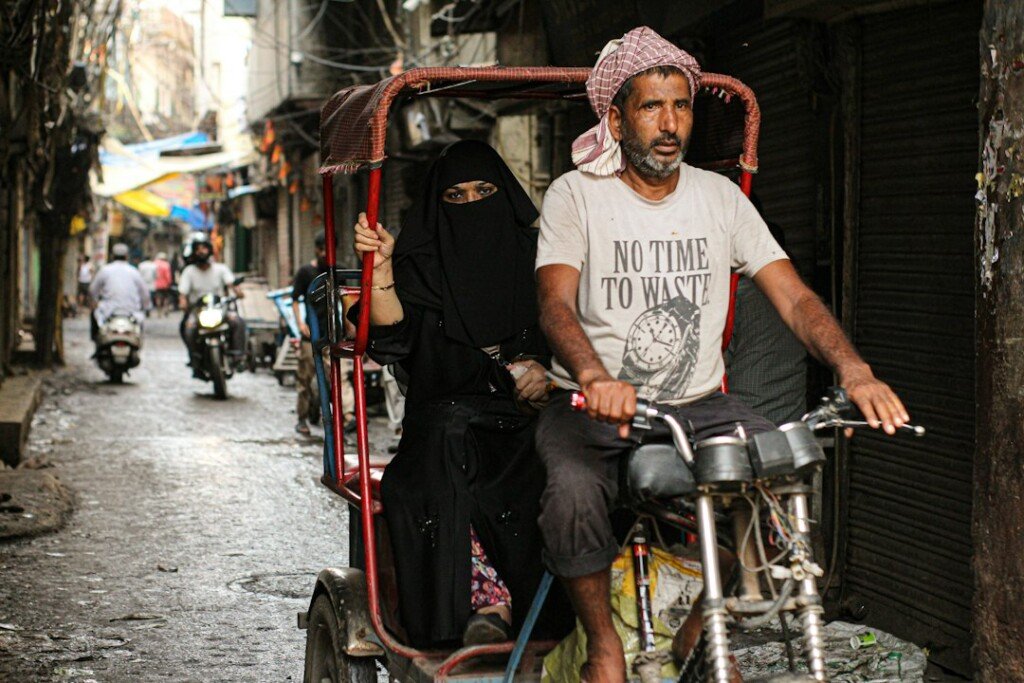
Pedal-powered cycle rickshaws are common in the city’s residential pockets and around markets, schools and station approaches. They are slower than a toto but quiet, can carry shopping, and can enter lanes where autos cannot. They suit trips of a kilometre or two.
E-rickshaws and totos
Battery-run e-rickshaws are the fastest-growing option, especially in the fringes and along the metro corridors. Official policy is stricter than what you see on the street. In August 2026 the West Bengal government reiterated that only licensed e-rickshaws may operate within localities and that unlicensed totos are barred from major roads and highways, with police told to enforce the rules more strictly. Because rules and enforcement change, treat any toto route you find as local and informal, and do not assume it will be available at every hour.
How much does a rickshaw cost in Kolkata?
There is no single published tariff for hand-pulled or cycle rickshaws, so fares depend on distance, load, time of day and weather. As a rule, the price rises at night, during rain and when the road is flooded. Totos on fixed short routes often charge a small per-seat amount, while a reserved ride costs more. Rather than quote a figure that may be out of date, use this approach: ask a local, a shopkeeper or your PG owner what the usual fare is for the exact stretch, agree the amount before boarding, and keep small change ready. If you want a regulated meter for longer rides, see our Kolkata auto and taxi fare guide.
Best situations to take a rickshaw
Choose a rickshaw for the last kilometre from a metro station to your home, for crossing a market lane that is closed to cars, and for short hops where waiting for an app cab would take longer than the ride. During waterlogging, a rickshaw is often the only vehicle that will still run, which is why it features in our monsoon commute survival guide. Students living in a PG a short way from the nearest metro stop will find a rickshaw or toto useful every day.
When to skip the rickshaw
Avoid rickshaws for trips longer than a few kilometres, for airport transfers and with heavy luggage on busy main roads. On those routes the metro, a bus or a taxi is faster and safer. Our complete guide to getting around Kolkata compares every mode, and the best commuting apps in Kolkata post lists tools for booking cabs and tracking buses. For rides after dark, read what actually runs after 10 PM.
Safety and etiquette tips
Agree the fare and destination before you board. Keep bags on your lap or between your feet, since lanes are bumpy and crowded. Sit back when the rickshaw turns in traffic. Do not overload a cycle or hand-pulled rickshaw, and do not ask a puller to climb a steep flyover with several passengers. Photograph people only with their permission. For background on the history of the hand-pulled rickshaw, see the Sahapedia feature on hand-pulled rickshaws in Kolkata.
Frequently asked questions
Are hand-pulled rickshaws still legal in Kolkata?
Yes. A 2006 bill to ban them was never implemented, and licensed hand-pulled rickshaws still operate in parts of the city.
Is there a fixed fare for rickshaws in Kolkata?
Not a published one. Fares are negotiated, so agree the price before you sit down and confirm the usual rate with a local.
Can I take a toto on main roads in Kolkata?
Generally no. State policy restricts unlicensed e-rickshaws from major roads and highways, so totos mostly serve inner lanes and last-mile links.
Which is better for a short trip, a rickshaw or an auto?
A rickshaw is better for lanes and for distances under about two kilometres. An auto or app cab is better for longer trips on main roads.