


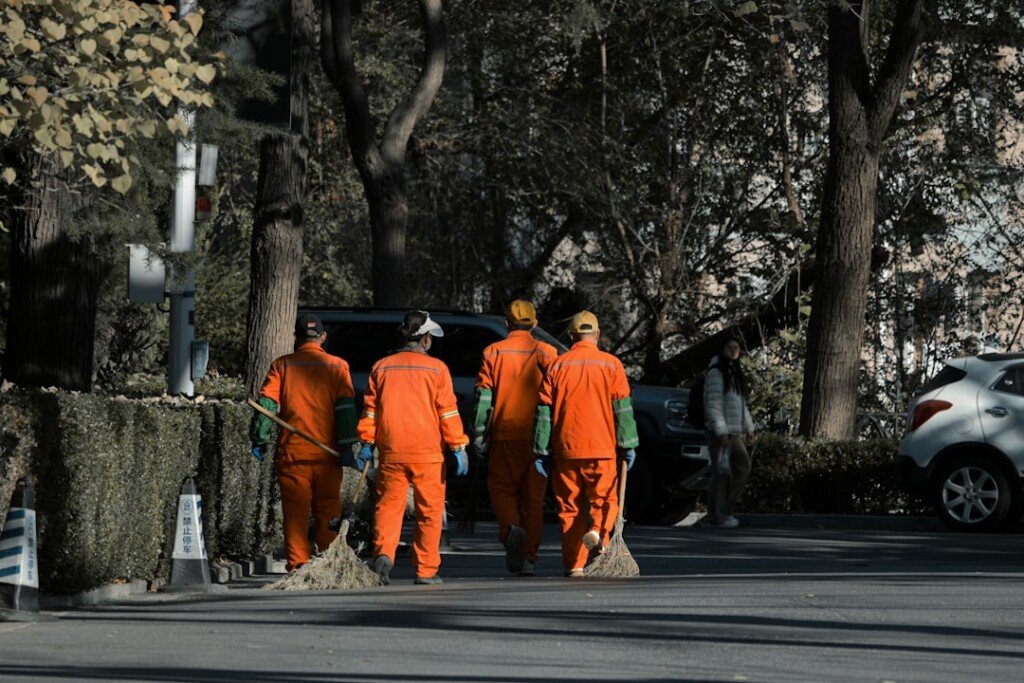

Kolkata’s mosquito season just got a joint task force. The Kolkata Municipal Corporation (KMC) and Metro Railway Kolkata kicked off a citywide “special drive” against dengue on August 29, and the campaign will run through September 3, covering metro stations, adjoining neighbourhoods, and South Eastern Railway property across the city.
What the Drive Covers
The campaign began at Esplanade Metro station and has since fanned out to every metro station in Kolkata, along with residential colonies, train car sheds, and stations under South Eastern Railway. KMC Administrator Smita Pandey and Metro Railway’s Principal Chief Medical Officer Dr Rina Mukherjee are jointly leading the effort, with West Bengal’s Municipal Affairs and Urban Development Minister Agnimitra Paul attending the launch.
“This is not a fight that the government can wage alone. It has to become a mass movement,” Paul said at the launch, adding that dengue cannot be eliminated unless residents stay alert to stagnant water around their own homes.
Notices and Fines Under Section 496
KMC teams are issuing notices to owners of abandoned plots and premises where overgrown vegetation or standing water has created, or could create, breeding grounds for mosquitoes. These notices fall under Section 496 of the Kolkata Municipal Corporation Act, 1994, which gives the civic body power to act against property owners who let their land turn into a health hazard.
The drive also comes with sharper enforcement against littering. Anyone caught dumping banned plastic or garbage faces a fine of Rs 200 to Rs 400. For spitting or littering in public, the penalty goes further: offenders may be asked to clean up the spot themselves, record it on camera, and upload the footage to social media.
Why Metro Railway Is Involved
Kolkata Metro’s participation isn’t incidental. Underground and elevated station areas, along with railway colonies and car sheds, often have their own pockets of standing water, clogged construction drainage, or discarded containers that go unnoticed in routine municipal inspections. Bringing Metro Railway and South Eastern Railway into the same drive closes a gap that neither KMC nor the railways could manage well on their own.
Not Just a Monsoon Campaign
Officials have stressed that this isn’t a one-off, few-days push. Paul said the government intends to keep the drive going beyond the current monsoon window, in coordination with the Irrigation and Public Works departments, and eventually extend similar joint operations to other parts of the state.
What It Means If You Live or Work in Kolkata
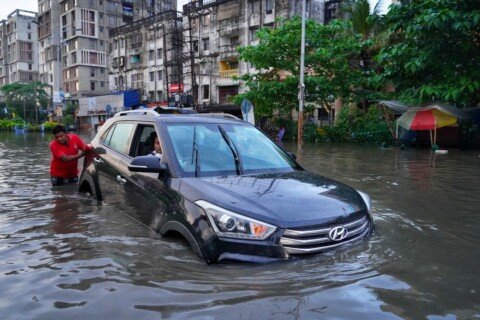
For the city’s large population of students and working professionals in PG accommodation, shared flats, and hostels, this is a good week to do a quick check around the building: rooftop water tanks, discarded containers in the para lane, clogged terrace drains, and AC unit trays are all classic dengue breeding spots that routine sweeps can miss. If your locality sits near a metro corridor or railway colony, expect KMC or Metro health staff to be more visible over the next few days. The same standing-water problem also shows up every year in Kolkata’s flood-prone commuting stretches, so residents dealing with waterlogging have an added reason to clear it fast.
The drive also follows on the heels of Ayushman Bharat’s rollout in West Bengal, part of a broader push this year to get the state’s public health machinery more visible in Kolkata’s neighbourhoods.
Frequently Asked Questions
How long will KMC’s dengue drive continue?
The current phase runs from August 29 to September 3, 2026, but officials have said the broader campaign will continue beyond this window and expand to other parts of the state.
What is the fine for littering during the drive?
Throwing banned plastic or garbage in public spaces can attract a fine of Rs 200 to Rs 400. Spitting or littering may also require the offender to clean the spot and document it on camera.
What can residents do to prevent dengue at home?
Empty and clean water tanks and containers regularly, avoid letting water collect in plant trays, discarded tyres, or terrace drains, and report waterlogged plots in your neighbourhood to KMC.
The Bottom Line
Kolkata’s dengue drive is a reminder that the city’s monsoon problems, standing water, clogged drains, litter, are all connected. With KMC and Metro Railway now running coordinated checks through September 3, residents can expect more visible enforcement, but the ask from officials is the same every year: don’t let water collect where you live.
Sources: Millennium Post, THIP Media (IANS), Kolkata Municipal Corporation.
Editorial note: featured image still needed, suggested subject is KMC or Metro Railway health staff inspecting a station area for stagnant water. Please source a licensed stock or official press photo before publishing.