



Kolkata is one of the best cities in India to buy authentic Bengali handicrafts, and you do not need to travel to a village workshop to find them. The quickest answer: head to Biswa Bangla’s showroom at Dakshinapan or Park Street for government-certified Dokra, terracotta and Kantha pieces, browse the wider Dakshinapan Shopping Centre for handicrafts from other Indian states too, or check Tantuja and Manjusha for handloom and craft emporia. The Bengal Store in Jodhpur Park is a good pick for curated home decor gifting. If your visit lines up with winter, the annual Rajya Hastashilpa Mela puts thousands of artisans from across West Bengal under one roof at prices closer to source. Expect to pay anywhere from a few hundred rupees for small Dokra figurines to a few thousand for larger terracotta or Kantha work, though exact prices vary by shop and season. For a broader look at the city’s markets, see our Kolkata Shopping Guide.
Biswa Bangla: The State’s Flagship Handicraft Store
Biswa Bangla is the West Bengal government’s own retail initiative to promote the state’s handloom and handicraft producers, and it is usually the most reliable starting point if you want certified, artisan-sourced Bengali handicrafts in Kolkata. According to West Bengal Tourism, the brand runs showrooms at Dakshinapan on Gariahat Road South, inside Netaji Subhash Chandra Bose International Airport’s Terminal 2, at Eco Park in New Town, in Garia, and on Park Street’s Mother Teresa Sarani. Stock typically includes Dokra jewellery and figurines, Bankura’s famous terracotta horses, Nakshi Kantha textiles, jute bags and Santiniketan leather goods, tagged with the district or artisan cluster they come from.
Dakshinapan Shopping Centre: A One-Stop Handicraft Hub
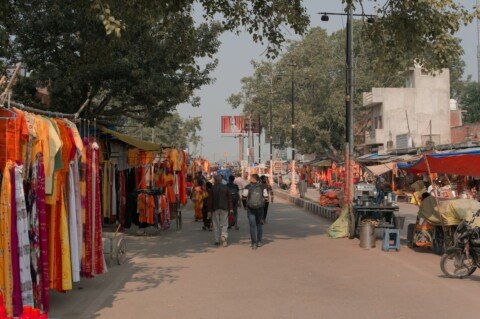
For comparison shopping, Dakshinapan Shopping Centre near the Dhakuria rail overbridge on Gariahat Road is hard to beat. It is an open-air complex of roughly 140 shops built around state government emporia, so alongside Bengal’s own Tantuja and Biswa Bangla counters you will find Gujarat’s Gurjari, Punjab’s Phoolkari, Assam’s Pragjyotika and Madhya Pradesh’s Mrignayani, the last of which is well known for Dokra metalwork. Because the complex groups government-run emporia rather than private stalls, prices tend to be fixed and clearly marked, which makes it a comfortable place for first-time handicraft shoppers to browse without haggling. It also sits a short walk from Gariahat market, so many visitors combine both stops; see our Gariahat Shopping Guide for what else to buy nearby.
Tantuja and Manjusha: The Original Government Emporia
Tantuja, run by the West Bengal State Handloom Weavers’ Cooperative Society, is headquartered in Salt Lake and also has an outlet on Gariahat Road, though it focuses mainly on handloom textiles such as tant and Dhakai sarees rather than craft objects; if sarees are what you are after, our guide to buying traditional Bengali sarees covers this in more depth. For non-textile handicrafts, Manjusha is the better bet: this West Bengal government enterprise has run sales emporia since 1976 and stocks terracotta, Dokra, wood carving, shola work and cane products, with outlets including one near Lake Market in Dhakuria and another in Salt Lake.
The Bengal Store: Curated Decor and Gifting
If you would rather browse a curated, boutique-style selection than a full emporium floor, The Bengal Store on Gariahat Road in Jodhpur Park sources handicrafts, textiles and home decor from artisans across all 23 districts of West Bengal. It sells both in-store and online, generally at a higher price point than the government emporia, but it is a dependable option for gifting or when you want pieces already styled for a modern home.
Best Time to Visit: The State Handicrafts Fair
West Bengal’s annual Rajya Hastashilpa Mela is worth timing a trip around if you can. It typically runs for two to three weeks somewhere in the November-to-April window, most often in December or January, and has been hosted at venues including Milan Mela Prangan, Central Park in Salt Lake and Eco Park in New Town, with the exact venue and dates changing year to year. Thousands of artisans from across the state’s districts set up stalls directly, so prices are often lower than in city showrooms since there is no retail markup. Check West Bengal government or tourism announcements closer to winter for that year’s dates and venue before planning a visit.
What to Buy: Bengal’s Signature Handicrafts
Dokra Metal Craft
Dokra is a lost-wax metal casting technique used to make figurines, jewellery and decorative pieces, traditionally in brass or bell metal. Look for pieces from Bankura and Bardhaman artisan clusters; Mrignayani’s counter at Dakshinapan and Biswa Bangla both stock a wide range.
Bankura Terracotta
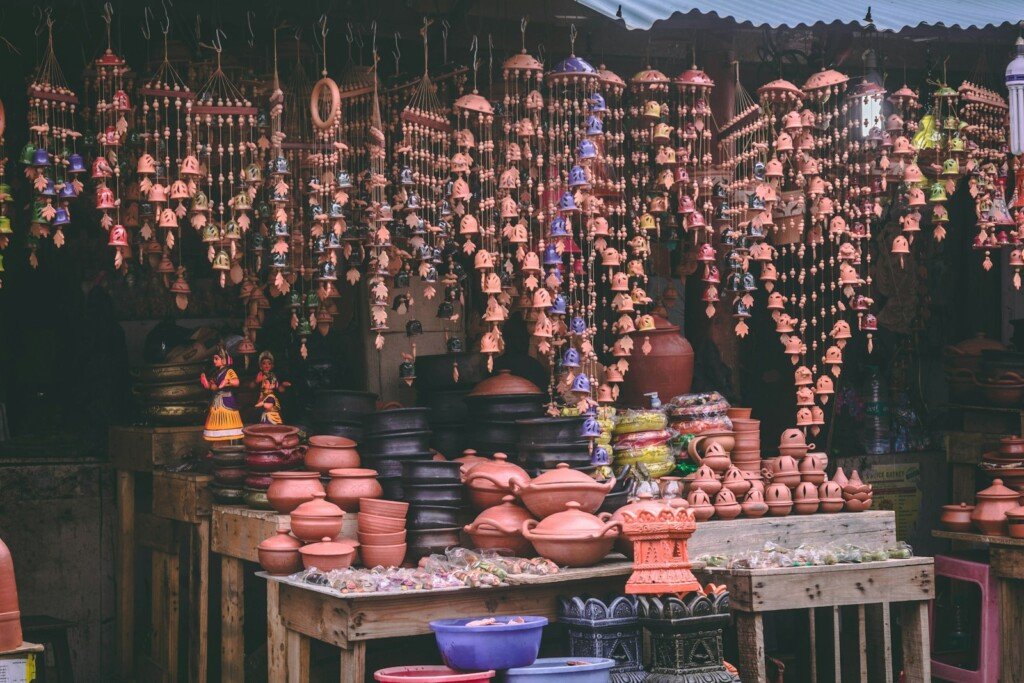
The Bankura terracotta horse, recognised with a Geographical Indication tag, is probably Bengal’s most iconic handicraft souvenir. Sizes range from small desk pieces to large statement pieces for a home entrance, and prices scale accordingly.
Kantha Embroidery
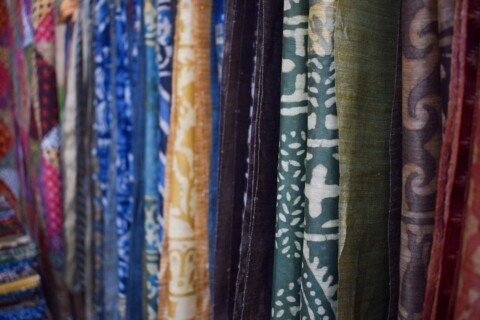
Kantha is a running-stitch embroidery technique traditionally used to layer and repurpose old cotton saris into quilts, and today applied to stoles, dupattas, sarees and cushion covers. Nakshi Kantha, the more pictorial style, also carries GI recognition.
Jute and Madur Kathi Products
Jute bags, mats and home decor are widely available and among the most affordable, practical souvenirs. Madur Kathi, a woven reed mat craft from districts like Purba Medinipur, is another good lightweight option for travellers.
Shola (Pith) Art
Shola artisans carve a soft, white plant pith into intricate decorative pieces and idol ornamentation; Manjusha and Biswa Bangla both stock smaller decorative shola items suitable as gifts.
How Much Should You Budget?
Prices vary by shop, artisan and season, so treat the following as a general guide rather than a fixed price list, and confirm current pricing directly at the counter before committing. Small Dokra figurines and jewellery typically start in the low hundreds of rupees, terracotta pieces range from modest desk ornaments to several thousand rupees for larger statement pieces, Kantha stoles and dupattas commonly fall in the mid-hundreds to low-thousands range, and jute bags or Madur Kathi items are usually among the most budget-friendly buys. Government emporia like Biswa Bangla, Tantuja and Manjusha tend to have fixed, clearly displayed prices, while Hastashilpa Mela stalls often work out cheaper since artisans sell directly.
Tips for Buying Authentic Bengali Handicrafts in Kolkata
- Stick to government-run outlets such as Biswa Bangla, Tantuja and Manjusha, or the Hastashilpa Mela, if authenticity and fair artisan pricing matter most to you.
- At Dakshinapan, walk the full complex before buying, since several state emporia stock overlapping craft categories at different prices.
- Look for GI-tagged labelling on Bankura terracotta and Nakshi Kantha, since it indicates the piece is genuinely sourced from the recognised production cluster.
- Carry cash for smaller emporia counters and mela stalls, since card acceptance is inconsistent outside malls.
- Combine a handicraft shopping trip with nearby Gariahat market or New Market, since both sit close to Dakshinapan and the Park Street showroom.
Frequently Asked Questions
Where is the best place to buy Dokra art in Kolkata?
Biswa Bangla’s showrooms and the Mrignayani counter at Dakshinapan Shopping Centre are reliable choices for Dokra figurines and jewellery, with certified sourcing and fixed pricing.
Is Dakshinapan Shopping Centre good for handicraft shopping?
Yes. Dakshinapan near Dhakuria is an open-air complex of around 140 shops built mainly around government state emporia, so it is one of the easiest places in Kolkata to compare handicrafts from Bengal and other Indian states in one visit.
What is Biswa Bangla known for?
Biswa Bangla is the West Bengal government’s retail brand for the state’s handloom and handicraft artisans, known for Dokra, Bankura terracotta, Nakshi Kantha textiles, jute goods and Santiniketan leather products sold through showrooms across Kolkata.
When is the Kolkata handicrafts fair (Hastashilpa Mela) held?
The Rajya Hastashilpa Mela typically runs for a few weeks between November and April, most commonly in December or January, though the exact dates and venue change each year, so check closer to the season.
Can I buy Bengali handicrafts online instead of visiting in person?
Yes, several of the outlets covered here, including Biswa Bangla and The Bengal Store, also sell online, though visiting in person lets you compare quality, size and finish before buying, especially for terracotta and Dokra pieces.