


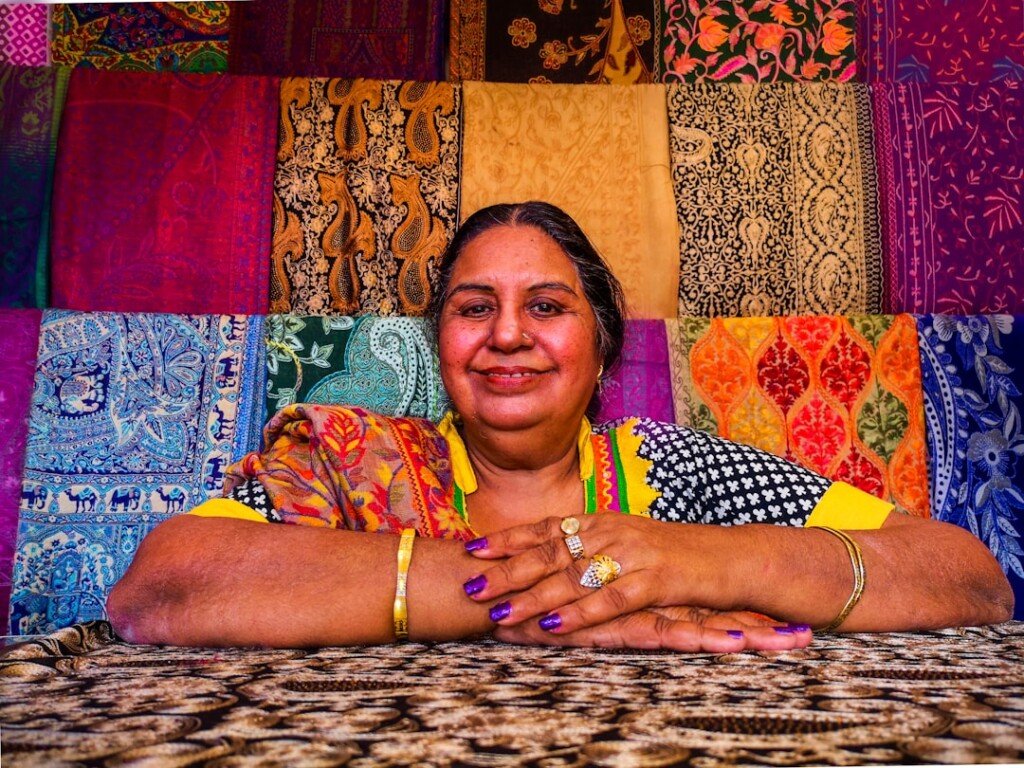

Durga Puja shopping in Kolkata means one thing above all: sarees, and plenty of them, alongside festive kurtas, jewellery, footwear, and home decor bought fresh for the five days the city stops for its biggest festival. The best places to shop are New Market for variety under one roof, Gariahat and Hatibagan for traditional Bengali sarees across a range of budgets, Shyambazar for handloom silk and cotton, and Dakshinapan for a calmer, fixed-price alternative to the street stalls. Puja collections start arriving in shops around Rath Yatra in June or July, but the real shopping rush builds through September and peaks in the two weeks before Mahalaya. Going early in the day, comparing prices at two or three stalls before buying, and carrying cash all go a long way toward getting a fair price without fighting the last-week crowds.
When Durga Puja Shopping Season Starts in Kolkata
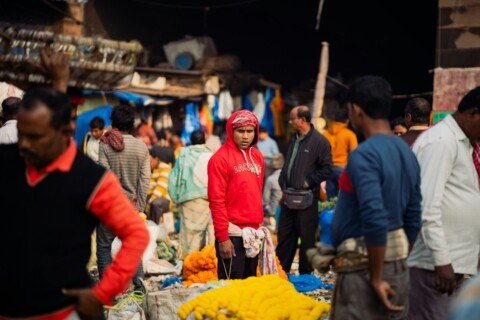
Kolkata’s shops start stocking Puja collections soon after Rath Yatra in June or July, and by August the festive racks are up front in most stores. Shopping stays fairly relaxed through August and early September, which is the best window if you want to browse without crowds. Business picks up sharply from mid-September, and the final two weeks before Mahalaya are when markets like New Market, Gariahat, and Hatibagan get genuinely packed, with queues at billing counters and shoulder-to-shoulder crowds along the main stretches.
Durga Puja 2026 is expected to run through mid-to-late October, with Mahalaya (the ceremonial start of the festive countdown) falling in early-to-mid October and the main five days of the puja, Shashthi through Vijaya Dashami, following about a week later. Exact dates shift every year with the lunisolar calendar, so confirm the current year’s panchang closer to the date before planning a shopping trip around it. As a rule of thumb, if you want the best stock and the shortest queues, aim to finish major shopping at least ten days before Mahalaya.
Best Markets for Durga Puja Shopping in Kolkata
Different markets specialise in different things, and most serious Puja shoppers hit two or three of these rather than trying to do everything in one place.
New Market
New Market’s red-brick arcade near Esplanade has been Kolkata’s retail heart for over a century, and during Puja season it’s the single most reliable stop for variety: textiles, ready-made clothing, jewellery, footwear, toys, and sweets all under one sprawling roof. It’s also one of the most crowded spots in the city in the final fortnight before Puja, so an early-morning visit on a weekday is far easier than an evening or weekend trip. For a full breakdown of what to buy where inside the market, see our New Market guide.
Gariahat
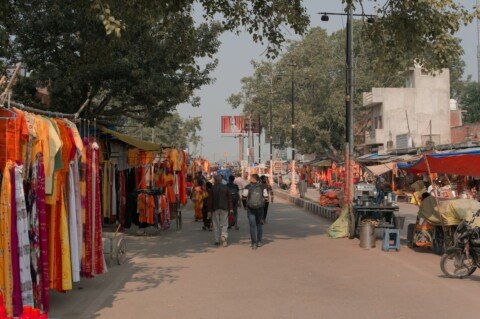
Gariahat Road in South Kolkata mixes established saree houses with a long stretch of roadside stalls under the flyover selling clothing, footwear, bags, and fashion jewellery at street prices. It’s a strong pick if you want traditional sarees from known shops and budget festive wear from the stalls in the same trip. Our Gariahat shopping guide covers specific shops and bargaining tips for the stretch.
Hatibagan and Shyambazar
North Kolkata’s Hatibagan, near Shyambazar Metro Station, is one of the city’s oldest markets and a go-to for Bengal silk and cotton sarees, from everyday cottons to more intricate designer pieces. Shyambazar itself, just next door, is particularly known for handloom silk and cotton sarees at prices that are hard to match further south. Both areas tend to be less overwhelming than New Market at peak season, making them a good option if you’d rather avoid the biggest crowds.
Dakshinapan and College Street
Dakshinapan Shopping Complex in Golpark is a quieter, air-conditioned alternative with fixed-price stalls selling handloom textiles, jewellery, and home decor, useful if bargaining isn’t your thing or you’re shopping with kids in tow. If books, stationery, or festive reading make your list, College Street’s stretch of bookshops is worth a separate stop entirely outside the clothing-and-jewellery circuit.
What to Buy for Durga Puja
- Sarees: the centrepiece of most Puja wardrobes. Bengal’s handloom traditions, including Tant, Baluchari, Garad, and Tangail, are recognised as geographical-indication products, meaning genuine pieces are woven in specific registered clusters like Bishnupur (Baluchari) and Nadia and Purba Bardhaman (Tangail). Ask shopkeepers directly whether a saree is handloom or power-loom if authenticity matters to you, since prices vary enormously between the two.
- Kurtas, salwar suits, and Western wear: New Market and Gariahat both carry large, fast-moving stock across budgets, from mass-market fast fashion to designer boutique pieces.
- Footwear: street stalls at Gariahat and New Market are the cheapest option; expect fixed, higher prices at branded stores.
- Fashion jewellery: imitation and junk jewellery to match outfits without spending on gold is a Gariahat and New Market specialty.
- Home decor and puja essentials: Dakshinapan and New Market both stock decorative items, diyas, and festive home accessories.
How to Bargain and Avoid Overpaying
- Bargaining is expected at roadside stalls without printed price tags, but fixed-price shops and larger stores generally don’t negotiate, so read the setup before you start.
- Start well below the quoted price and work toward a middle ground rather than accepting the first counter-offer.
- Check two or three stalls selling similar items before committing, particularly for sarees, since quality and pricing both swing significantly stall to stall.
- Inspect fabric and stitching closely at street stalls, where quality control is far less consistent than at established shops.
- Carry cash, including small denominations. Most street vendors deal mainly in cash and may not have change for large notes, though bigger shops increasingly accept digital payments.
Best Time to Go and How to Get There
Across every major market, early morning or early afternoon on a weekday is consistently less crowded than evenings and weekends, especially once the final pre-Puja fortnight arrives. If your schedule allows it, shopping in August or early September, well before the rush, gets you first pick of new stock at the least stressful pace.
New Market sits near Esplanade, Gariahat is served by Kalighat and Rabindra Sarobar stations on the Blue Line, and Hatibagan and Shyambazar are a short walk from Shyambazar Metro. The Kolkata Metro is generally the fastest way to move between shopping areas during peak Puja traffic, when road journeys can slow to a crawl; our Kolkata Metro route guide covers routes and station connections in detail. For a wider view of the city’s shopping options beyond the Puja season, see our Kolkata shopping guide. The West Bengal Tourism Durga Puja page is a useful official reference for festival dates, events, and city-wide arrangements as the season approaches. Buyers interested in the provenance of handloom sarees can also check the state-wise Geographical Indication registry maintained by the Indian government to confirm which weaving clusters hold official GI recognition.
Frequently Asked Questions
When should I start Durga Puja shopping in Kolkata?
August or early September is the most comfortable window: collections are already in stores and crowds are still manageable. If you shop in the final two weeks before Mahalaya, expect significantly bigger crowds and less stock left in popular sizes and designs.
Which market is best for sarees during Durga Puja?
Hatibagan and Shyambazar in North Kolkata are the classic destinations for traditional Bengal silk and cotton sarees, while Gariahat’s established saree houses in South Kolkata offer a similar range with easier metro access.
Is bargaining acceptable at Kolkata’s Puja markets?
Yes, at roadside stalls and stand-alone shops without printed price tags. Bargaining is generally not expected at fixed-price stores, department-style shops, or complexes like Dakshinapan.
Does New Market accept cards, or is it cash-only?
Larger, established shops increasingly accept digital payments and cards, but the majority of roadside stalls still deal mainly in cash. It’s worth carrying cash, including small denominations, as a backup even if you plan to pay digitally.
How do I avoid crowds while Durga Puja shopping?
Shop on weekday mornings or early afternoons rather than evenings and weekends, and finish major purchases at least ten days before Mahalaya if possible. The last week before Puja is consistently the most crowded across every major market in the city.