


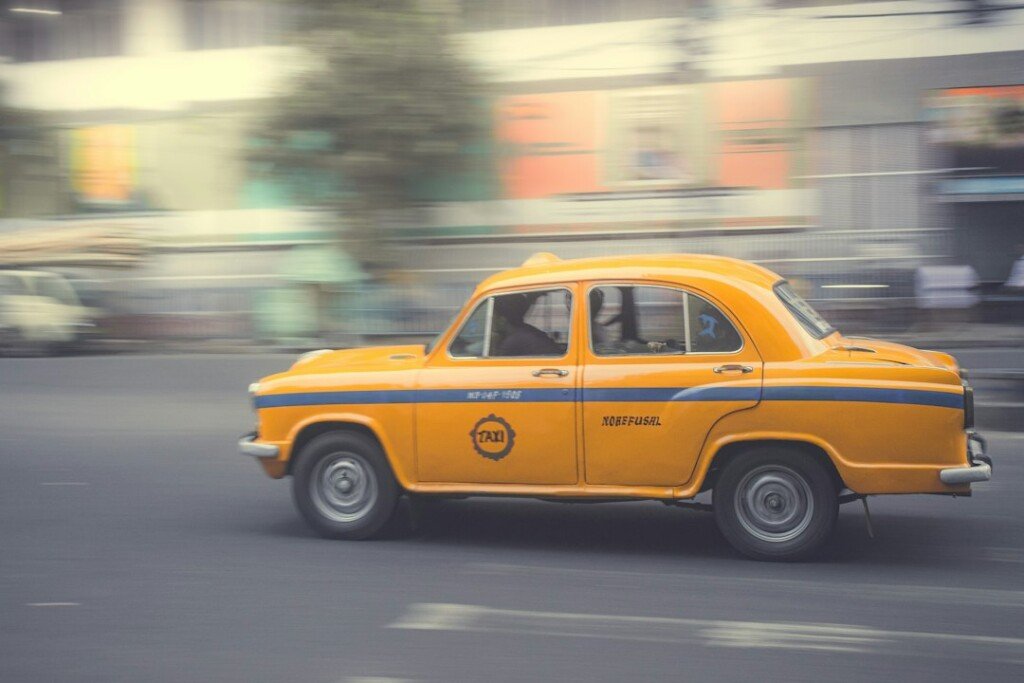

Kolkata auto fare and taxi charges depend on the type of ride, not just the distance. Yellow taxis run on a meter, with a night supplement, and prepaid taxi booths at Howrah, Sealdah and the airport give you a fixed fare before you board. Autos mostly run on fixed shared routes with a set per-seat fare that regular riders and co-passengers will happily tell you, while hiring an auto for yourself, a reserved ride, is negotiated and usually costs several times more. App cabs and app autos price by distance, time and demand, so the same trip can cost more at peak hours or in the rain. Official fare revisions are not announced on a fixed schedule, so this guide avoids quoting exact rupee figures that may be outdated. Instead it explains how each fare works, what to expect in each zone of the city, and how to avoid overpaying. Always confirm the fare or the meter before the ride starts.
How Kolkata Auto Fare Works
Most autos in Kolkata are shared vehicles that run along a fixed route, such as Gariahat to Jadavpur, Esplanade to Tollygunge or Salt Lake to Ultadanga. You pay per seat, and the fare is the same for every passenger on that route, whether you board at the start or midway. Fares rise with the length of the route, and drivers generally ask for a little extra on short hops that end outside the usual stages. If you do not know the going rate, watch what other passengers hand over, or ask a shopkeeper near the stand. Reserving the whole auto, sometimes called a special or reserve ride, is a separate arrangement with no meter, so agree the price before you sit down.
Taxi Fares: Meter, Prepaid and App Cabs
Yellow taxis are meant to run on the meter, and a night supplement applies late in the evening and early in the morning. In practice, many drivers prefer to quote a flat price, especially from stations, tourist areas and late at night. You are entitled to ask for the meter, and if the driver refuses, simply wait for the next cab. Prepaid taxi booths at Howrah, Sealdah and the airport sell a slip with a fixed fare based on distance slabs, and you pay at the counter before you board, so there is no haggling. Prepaid fares are higher at night. App cabs and app autos show the fare in advance, but it changes with demand, so compare the quote at different times if your trip is flexible.
Typical Fare Patterns by Zone
Central Kolkata: Esplanade, Park Street and College Street
Distances are short, so shared autos and buses are cheap, while taxis are convenient but heavily affected by traffic. Many short taxi hops here cost little more than the minimum meter fare, but drivers may still quote a flat price for even a few hundred metres. The metro often beats any road option; see our complete guide to getting around Kolkata.
South Kolkata: Gariahat, Jadavpur, Behala and Tollygunge
South Kolkata has the densest network of shared auto routes, and this is where the per-seat system works best. Routes connecting Behala, Jadavpur and Gariahat to the nearest metro station are the cheapest way to cover the last mile. Students and PG residents in these areas rely on them daily.
Salt Lake, New Town and Rajarhat
Distances are longer and roads are wider, so app cabs and app autos are common, and fares build up faster. Shared autos still run on the main stretches, and there are bus options as well; our Kolkata bus routes guide lists the common commutes.
Howrah and Sealdah Stations
Both stations have prepaid taxi booths, which are the safest way to avoid disputes after a long train journey. For the bridge crossing between the two stations, our guide to Howrah to Sealdah options compares the choices.
When Fares Go Up: Night, Rain and Events
Expect higher quotes late at night, during heavy rain, around big festivals and on match days. Many autos stop running on their route late in the evening, which is when reserved rides become the only choice. Our guide to late night transport in Kolkata explains what actually runs after 10 PM, and the page on airport to city options compares the main routes from the terminal.
Tips to Avoid Overpaying
Ask for the meter or agree on the fare before you get in, keep small change ready, and avoid taking a cab from directly outside a tourist spot if a booth or app is nearby. Note the vehicle number, particularly late at night. For a formal complaint about overcharging or refusal to ply, check the contact options on the Kolkata Police website. If your route runs along a metro line, a smart card is usually cheaper and faster, as explained in our metro ticket and smart card guide.
Frequently Asked Questions
How much is the auto fare in Kolkata?
Shared autos charge a fixed per-seat fare that depends on the route length, while a reserved auto is negotiated. Ask a co-passenger for the going rate, and confirm any reserved fare before you ride.
Do Kolkata taxis use a meter?
Yellow taxis are supposed to, with a night supplement. Many drivers quote flat prices instead, and you can insist on the meter or take another cab.
Where can I get a prepaid taxi in Kolkata?
Prepaid booths operate at Howrah and Sealdah stations and at the airport. You pay the fixed fare at the counter before boarding.
Are app cabs cheaper than yellow taxis in Kolkata?
It varies. App fares are shown upfront but rise with demand, while a metered yellow taxi stays steady in traffic only if the driver uses the meter honestly. Compare the quote for your trip.
Why are autos hard to find late at night?
Most shared autos finish their routes in the evening, so only reserved rides and app cabs remain. Plan your return or book in advance.