


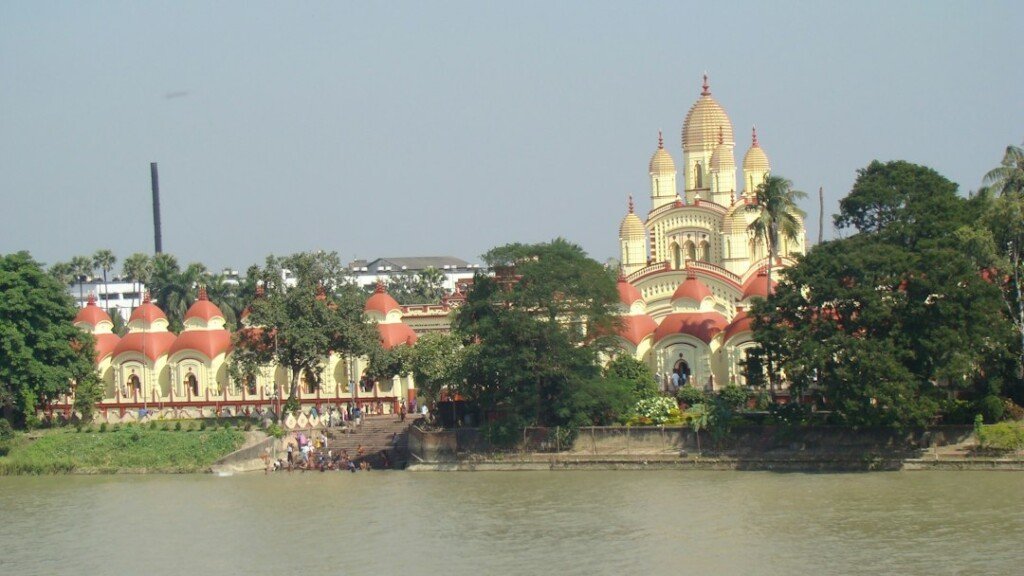

Kalighat Temple in Kolkata is one of the city’s most important Hindu shrines and is traditionally counted among the 51 Shakti Peethas. It is dedicated to Goddess Kali and stands in south Kolkata, about a five-minute walk from Kalighat Metro station on the Blue Line. Public darshan generally runs from early morning until late evening, with an afternoon break from roughly 2 PM to 5 PM when the sanctum is closed for the midday offering. Entry is free, modest and traditional dress is expected, footwear must be left outside, and photography is not allowed inside the sanctum. The best time to visit is a weekday morning before 8 AM, when queues are shorter. Tuesdays, Saturdays and festival days such as Kali Puja and Durga Puja are far busier. Timings can change on festival days, so confirm the current schedule locally before you travel. This guide covers timings, queues, how to reach the temple, dress code and what to see nearby.
Kalighat Temple Kolkata: Timings and Darshan Schedule
Published timings vary slightly between sources, and the temple does not run a single official public timetable online. The pattern most guides agree on is a morning session starting around 5 AM, a closed period from about 2 PM to 5 PM, and an evening session that runs until roughly 10:30 PM. Some sources list a later closing on certain days and an earlier ritual start for the morning aarti, which is mainly for the priests.
Typical daily rhythm: Nitya Puja in the early morning, the midday bhog offering when the doors close, and Sandhya Aarti in the early evening. Treat these as a guide only. Last entry usually stops a little before closing, so aim to join the queue well before 9:30 PM if you plan an evening visit.
How to Reach Kalighat Temple
The easiest way to reach the temple is by metro. Kalighat station on the Blue Line is a short walk from the temple gates, and the route is signposted. You can check the current Blue Line schedule in our guide to first and last metro timings by line, and read the Kolkata Metro Blue Line guide for stations and fares. Official metro information is available from Metro Railway Kolkata.
If you prefer road transport, buses heading towards south Kolkata stop near Kalighat, and taxis and app cabs can drop you close to the market lane that leads to the temple. Parking is limited and the area is congested, particularly on Tuesdays, Saturdays and festival evenings. For typical ride costs, see our Kolkata auto and taxi fare guide.
From Howrah or Sealdah stations, the simplest option is to take the metro from the nearest interchange and ride south on the Blue Line, rather than a long road transfer through city traffic.
Queues, Darshan Options and Offerings
Regular darshan is free. Expect a queue for the sanctum, and a separate viewing line from the verandah that usually moves faster. Waiting times depend heavily on the day, and festival days can mean a very long wait. Some visitors pay for a faster or guided darshan. Be cautious here: only deal with officially recognised temple arrangements, ask the price before agreeing, and ignore anyone who pressures you at the gate.
Temple priests, often called pandas, approach visitors near the entrance offering to guide you and perform a puja. This is a normal part of the Kalighat experience, but you are under no obligation. A polite refusal is enough. If you do want a ritual, agree on the amount in advance.
Common offerings include red hibiscus flowers, garlands and sweets, which are sold at stalls along the approach lane. Keep your bag small and your valuables secure, because the lanes are crowded.
Dress Code and Visitor Rules
Modest, traditional clothing is expected. Men can wear a dhoti, kurta or shirt and trousers. Women usually wear a saree, salwar suit or other clothing that covers the shoulders and legs. Avoid shorts, sleeveless tops and very short skirts. Footwear is left outside, and stalls near the gate will keep shoes for a small fee. Photography is not allowed inside the sanctum, and rules in other areas can vary, so ask before taking pictures.
Best Time to Visit Kalighat Temple
A weekday morning before 8 AM is the calmest option. The cooler months from October to March are the most comfortable for standing in a queue. Tuesdays and Saturdays are traditionally auspicious days for Kali worship and draw bigger crowds, so Wednesday or Thursday are better if you want a quieter visit.
Festival days bring the largest crowds, including Kali Puja, Durga Puja and Pohela Boishakh. If you are visiting around then, read our Kali Puja Kolkata 2026 guide for dates and visitor tips, and expect traffic curbs in the area.
What to See Near Kalighat Temple
The temple sits in a part of Kolkata with plenty to combine in a half-day. The lanes around the temple are associated with Kalighat pat painting, a traditional scroll painting style that began here, and the Adi Ganga channel runs close by. For a wider south Kolkata plan, see our Ballygunge and Bhowanipore guide. If you want another major Kali shrine, read our Dakshineswar and Belur Math guide, and for more ideas across the city, use our complete things to do in Kolkata guide.
For general tourism information in the state, the official West Bengal Tourism website is a useful reference.
Kalighat Temple FAQs
What are the Kalighat Temple timings?
Darshan generally starts around 5 AM, pauses from about 2 PM to 5 PM, and continues until roughly 10:30 PM. Timings can change on festival days, so confirm locally.
Is there an entry fee at Kalighat Temple?
No, regular darshan is free. Paid fast-track options exist informally, so confirm any charge before agreeing.
Which metro station is nearest to Kalighat Temple?
Kalighat station on the Blue Line is the nearest, roughly a five-minute walk from the temple.
Can I take photos inside Kalighat Temple?
Photography is not allowed inside the sanctum. Rules elsewhere on the premises can vary, so ask a staff member first.
What is the best day to visit Kalighat Temple?
Wednesday or Thursday mornings before 8 AM are usually the quietest. Tuesdays, Saturdays and festival days are the busiest.
Note: darshan timings, fees and festival-day arrangements can change without notice. Check current details with the temple authorities or on arrival before making firm plans.