


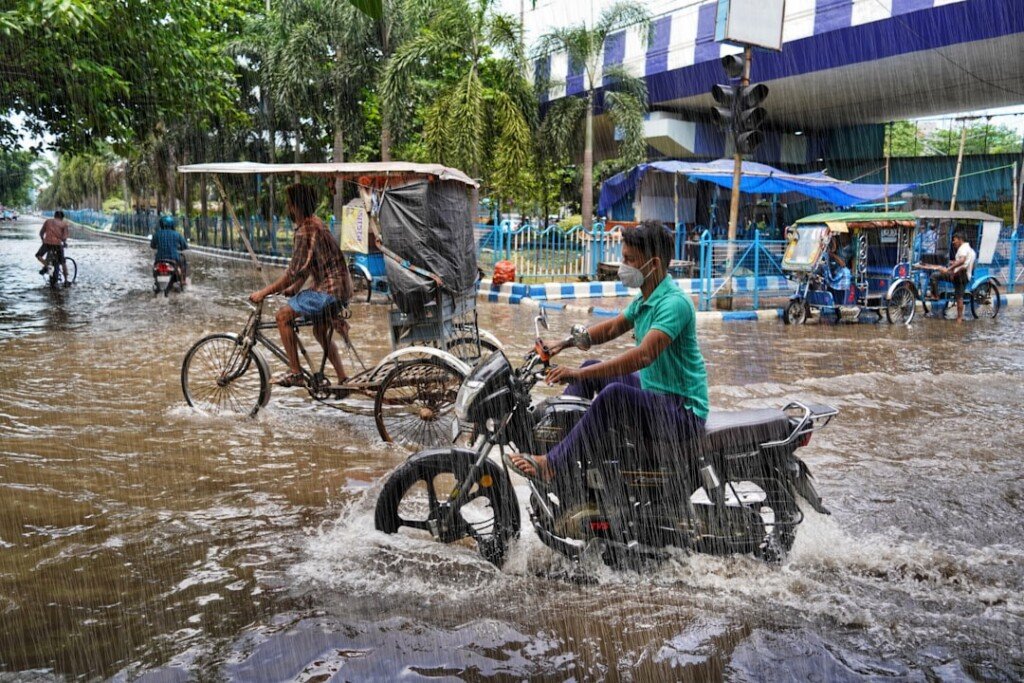

A Kolkata monsoon commute means planning around the city’s worst flood-prone stretches, not just the weather. Between June and September, heavy spells can submerge low-lying pockets like Maniktala, Ultadanga and the Patipukur underpass within an hour, turning a 20-minute ride into a two-hour ordeal. The safest approach is to avoid chronic waterlogging zones, favour Kolkata Metro over road transport whenever a route is available, keep the Kolkata Traffic Police helpline (1073) saved, and check live rain radar before you leave rather than after you’re stuck. This guide covers exactly which areas to avoid, how each mode of transport actually performs in heavy rain, and a short prep checklist so your commute survives the season even when the roads don’t.
When Kolkata’s Monsoon Hits Hardest
Kolkata’s monsoon typically runs from early June through late September, with the heaviest and most disruptive spells concentrated in July and August. Rainfall intensity in a single cloudburst matters more than the season’s total volume: the city’s drainage system is built to handle steady rain, not the sudden high-intensity downpours that have become more frequent in recent years. When the India Meteorological Department (IMD) issues an orange or red alert for Kolkata, treat it as a signal to leave earlier than usual, work from home if that’s an option, or shift travel plans by a couple of hours rather than push through during the peak of the alert window.
Areas That Waterlog Fastest, and Ones to Avoid
Some Kolkata neighbourhoods flood within 30 to 45 minutes of sustained heavy rain because of low elevation, ageing drains, or ongoing construction that blocks stormwater outlets. If your commute regularly passes through any of these, build in a buffer or have a metro-based alternative ready during the monsoon months:
- Maniktala, Shyambazar and Girish Park in north Kolkata
- The Patipukur underpass, a chronic hotspot that can flood axle-deep within minutes
- Ultadanga, Tala and Belgachia
- Salt Lake and Chinar Park in the eastern stretch
- VIP Road near the airport approach, which affects both cab and bus commutes to and from the airport
If your daily route runs through any of these stretches, check our guide to the best commuting apps in Kolkata for live traffic layers, and keep a metro-based backup route in mind since underground and elevated stretches are largely unaffected by surface flooding.
Metro vs Bus vs Auto: What Actually Works in Heavy Rain
Kolkata Metro: the most reliable option
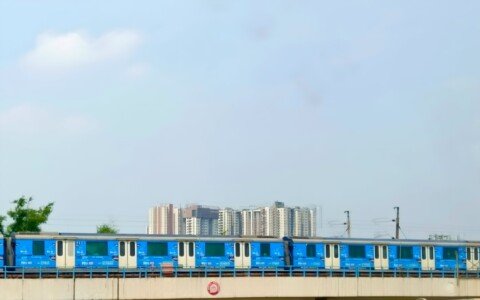
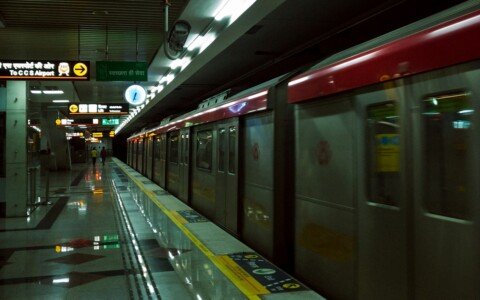
Because most of the network runs underground or elevated, the Kolkata Metro is by far the most weather-resistant way to move across the city during monsoon. Services can still be affected by lightning-related power precautions or, rarely, flooding at surface-level entry points, but delays are minor compared to road transport. Check our first and last metro timings guide before planning an early or late monsoon trip, since frequency can be reduced during severe weather advisories.
Buses: fine on arterial roads, risky on interior lanes
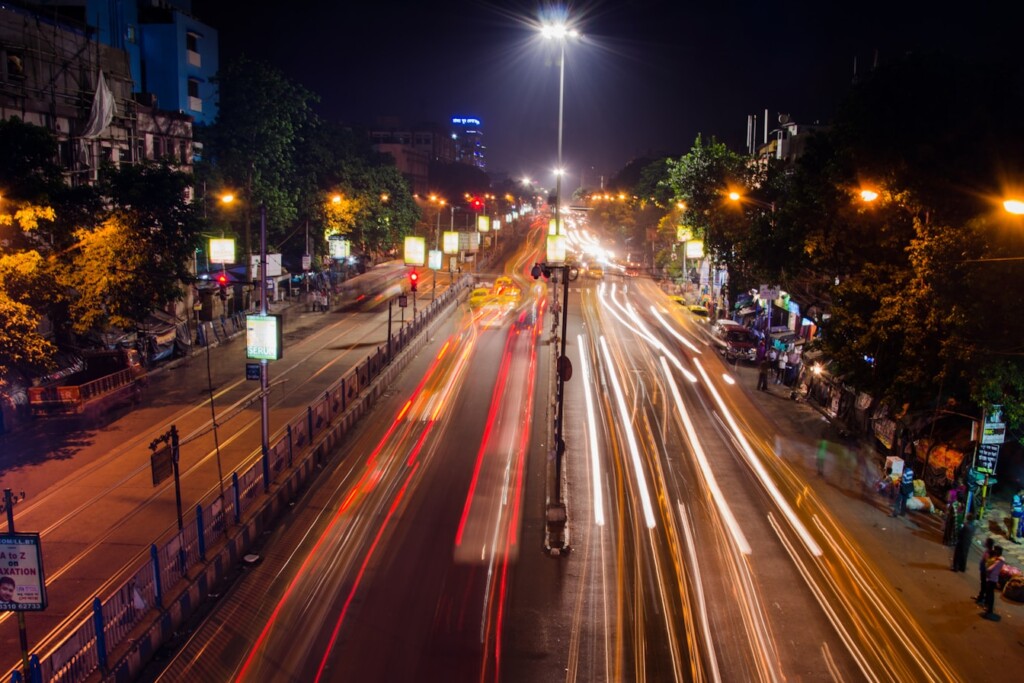
Buses running on wide arterial roads such as AJC Bose Road, EM Bypass or Jessore Road generally keep moving, but routes that cut through low-lying interior lanes can stall for over an hour once water rises above the wheel hubs. Cross-check your regular route against our Kolkata bus route finder and have an alternate arterial-road bus in mind for the monsoon months.
Autos and cabs: costlier and slower, but door-to-door
Autos and app cabs remain useful for the first and last mile, but surge pricing during heavy rain is common and travel times can double. Our auto and taxi fare guide by zone gives you a baseline fare, so you can spot unreasonable surge pricing before you get in.
Ferries During Monsoon: Useful but Weather-Dependent
Hooghly ferries can be a fast, flood-proof way to cross between Kolkata and Howrah, since river crossings avoid waterlogged roads entirely. However, services are suspended during high winds, thunderstorms, or when river currents are unsafe, so they shouldn’t be your only monsoon plan. See our ferry routes and timings guide for jetty locations and typical fares, and always have a metro or bus backup for days when the river service is paused.
Apps and Helpline Numbers Worth Saving
A few numbers and tools make a real difference once the rain starts:
- Kolkata Traffic Police helpline: 1073, for waterlogging, jams, signal failures and accidents
- KMC control room: 033-2286 1212, and toll-free 1800 345 3375, for drainage and waterlogging complaints
- KMC WhatsApp support: 83359 88888, for reporting a flooded stretch with a photo
- IMD Kolkata, for live rain alerts and warnings before you leave home
Pair these with a live-traffic app; our commuting apps guide covers the ones that show real-time waterlogging reports from other users, which is often more current than official updates.
Monsoon Commute Prep Checklist
- Check the IMD alert level for the day before you leave, not after you’re on the road
- Keep a compact umbrella and a change of footwear at your desk or in your bag
- Waterproof your phone and important documents in a ziplock pouch
- Charge a power bank; outages are common during heavy storms
- Build in an extra 30 to 45 minutes if your route passes a known waterlogging hotspot
- Have a metro-based backup route mapped out even if you usually commute by road
For a broader view of how the city’s transport network fits together outside the monsoon months too, see our complete Kolkata metro, bus, ferry and auto guide.
Frequently Asked Questions
What is the best way to commute in Kolkata during heavy rain?
The Kolkata Metro is the most reliable option during heavy rain because most of the network runs underground or elevated and isn’t affected by surface waterlogging. Buses on wide arterial roads are the next best option; avoid routes through low-lying interior lanes when possible.
Which areas in Kolkata flood the most during monsoon?
Maniktala, Shyambazar, Girish Park, Ultadanga, Tala, Belgachia, Salt Lake, Chinar Park and the Patipukur underpass are among the areas that waterlog fastest and most severely during heavy spells.
Does Kolkata Metro run during heavy rain or thunderstorms?
Yes, in most cases. The metro is largely unaffected by surface flooding since it runs underground or elevated, though services can occasionally see reduced frequency during severe weather or lightning-related safety precautions.
What is the traffic police helpline number in Kolkata?
Kolkata Traffic Police operates a unified helpline, 1073, for reporting jams, waterlogging, accidents and signal failures anywhere in the city.
When does the monsoon season end in Kolkata?
Kolkata’s monsoon generally winds down through late September into early October, though the exact withdrawal date varies year to year based on IMD forecasts, so it’s worth checking current advisories rather than relying on the average.