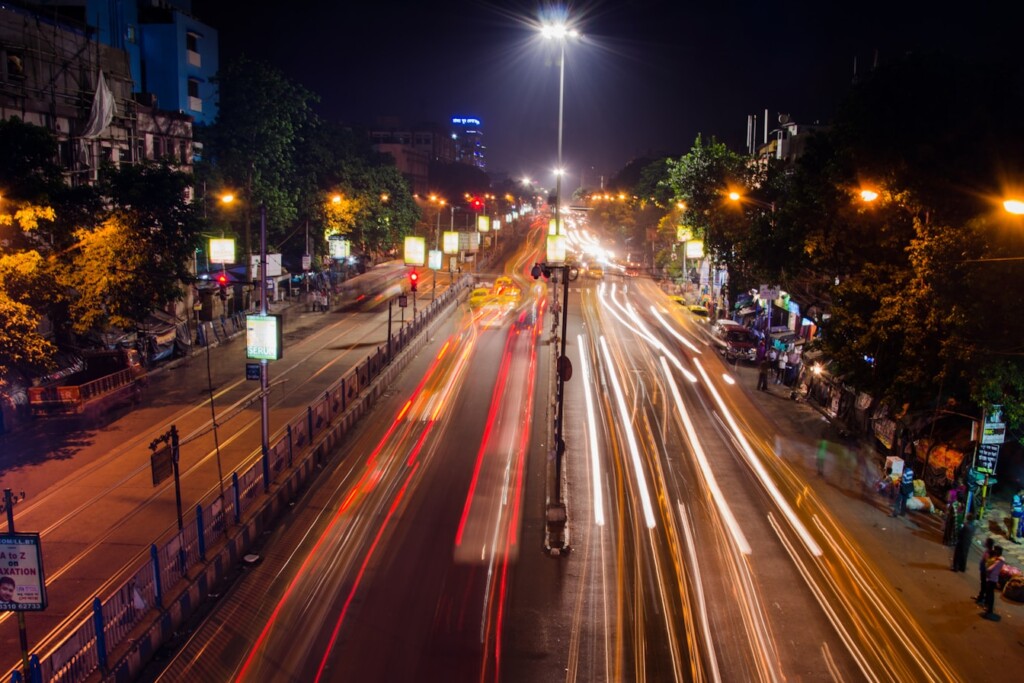



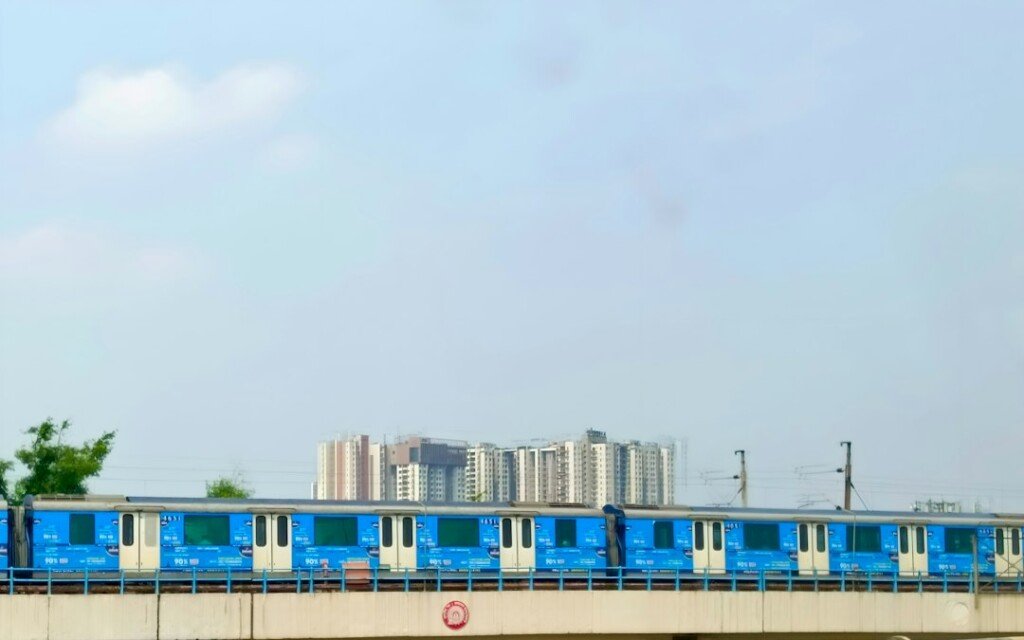

The best way to get around Kolkata depends on the distance and the time of day. For long north-south trips, the Kolkata Metro is the fastest and most predictable option. For short hops inside a neighbourhood, shared autos and e-rickshaws are the cheapest. Buses cover almost every corner of the city at very low fares, ferries are the quickest way to cross the Hooghly between Howrah and Kolkata, and yellow taxis or app cabs are best late at night or with luggage. This Kolkata metro guide and transport overview explains how each mode works, who it suits, and how to combine them without losing time.
Kolkata is one of the few Indian cities that still runs trams, a metro, buses, ferries, suburban trains and the iconic yellow Ambassador-style taxis side by side. That variety is helpful once you know the basics. This guide covers the metro network, buses, ferries, autos and taxis, ride-hailing apps, and practical tips for students, visitors and daily commuters. Fares and timings change, so always confirm current figures on the official sources linked below before you travel.
Quick Comparison: Which Transport Mode Should You Use?
Use the metro for speed and certainty on routes it covers, because it is not affected by road traffic or waterlogging. Use buses for routes the metro does not reach and when you are on a tight budget. Use ferries for crossing the river, especially to or from Howrah Station. Use autos and e-rickshaws for the last mile, and use taxis or app cabs when you are travelling late, carrying luggage or going somewhere with poor public transport links.
Kolkata Metro Guide: Lines, Stations and How It Works
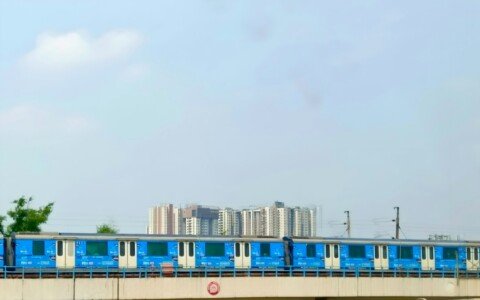
The Kolkata Metro is India’s oldest metro system, with its first stretch opening in 1984. It now has several lines in operation, and the network keeps growing, so it is worth checking the latest status before planning a trip. The main lines are the Blue Line (north-south, from Dakshineswar towards Kavi Subhash), the Green Line (Howrah Maidan to Salt Lake Sector V), the Purple Line (Joka to Majerhat), the Orange Line (Kavi Subhash to Beleghata) and the newer Yellow Line section in the north-east of the city.
Blue Line
The Blue Line is the backbone of the system and the line most residents use daily. It runs along the north-south axis through Esplanade, Park Street, Rabindra Sadan, Kalighat and Tollygunge. Our detailed Blue Line guide lists the stations, fares and timings. If your trip is along this corridor, the metro will almost always beat road transport during peak hours.
Green Line
The Green Line is the east-west line that links Howrah Maidan, Howrah Station, Mahakaran, Esplanade, Sealdah and Salt Lake Sector V, passing under the Hooghly. It is the quickest way to reach the IT hub in Salt Lake from Howrah, and it connects the two major railway terminals through the heart of the city. For a comparison of ways to travel between the two stations, see our guide to Howrah to Sealdah options.
Purple and Orange Lines
The Purple Line serves the south-western side between Joka and Majerhat and is useful for people living in Behala and Thakurpukur. The Orange Line extends the network towards the eastern side of the city. Read our Purple Line guide and Orange Line guide for station-level details, and our interchange stations guide to learn how to change lines without confusion.
Metro Fares, Tickets and Timings
Metro fares are distance-based and are among the lowest of any Indian metro, starting at a few rupees for short rides and rising to a modest maximum for the longest journeys. You can buy a single-journey ticket at the counter, use a smart card that you recharge, or use QR-based ticketing through the official app. Trains generally start in the morning and finish by late evening, with frequency highest during office hours. Timings and fares are revised from time to time, so check the official Metro Railway Kolkata website at mtp.indianrailways.gov.in for the current timetable. Extra services are sometimes added around festivals such as Durga Puja.
Kolkata Buses: Cheapest Way to Cover the Whole City
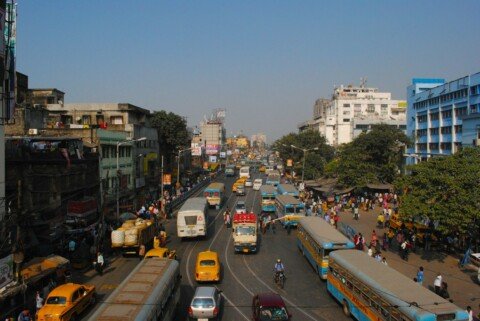
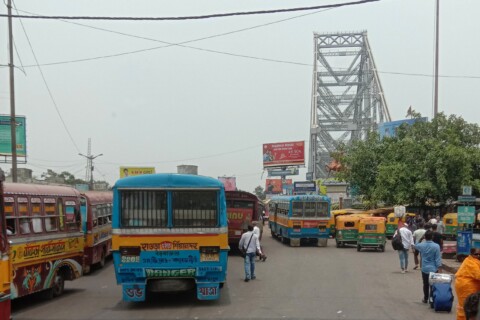
Buses reach neighbourhoods the metro does not, and they remain the most affordable way to travel. Several types operate: state-run buses of the West Bengal Transport Corporation and the Calcutta State Transport Corporation, private buses and minibuses, and air-conditioned buses on busy routes. Fares depend on distance and bus type. Routes are numbered with letters and numbers, and many conductors will tell you the next stop if you ask.
Beginners should keep three habits in mind. First, confirm the destination with the conductor before boarding, as boards are often in Bengali. Second, avoid peak office hours if you carry luggage. Third, keep small change ready. Navigation apps now show many bus routes, which makes planning easier. See our guide to the best commuting apps in Kolkata for the tools worth installing.
Ferry Services Across the Hooghly
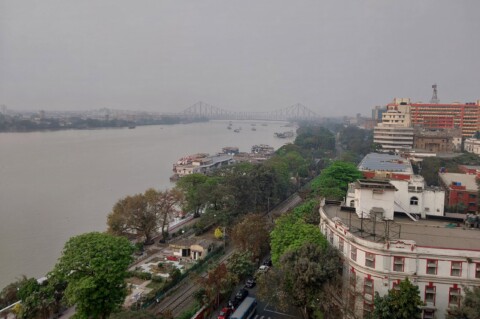
Ferries are a practical and scenic way to cross the river. Services run between Howrah and Kolkata-side ghats such as Babughat, Chandpal Ghat and Armenian Ghat, and others connect points such as Belur and Dakshineswar. They are particularly useful for reaching Howrah Station without sitting in bridge traffic. Timings vary by route and are usually limited to daylight hours, so check before relying on them in the evening. Our ferry routes, timings and fares guide covers each route in detail, and our Prinsep Ghat guide covers the sightseeing boat rides.
Autos, E-Rickshaws and Taxis
Shared autos run on fixed routes and charge a small fare per seat, which makes them the standard last-mile option. E-rickshaws operate in many neighbourhoods and short lanes. Yellow taxis are metered, though drivers do not always agree to use the meter, so agree on the fare or ask for the meter before starting. Taxis are generally the most dependable choice after the metro stops running, and our guide to late night transport in Kolkata explains what runs after 10 PM.
Trams, Suburban Trains and Ride-Hailing Apps
Kolkata’s tram service has shrunk over the years, and only limited routes remain, so treat it as a heritage experience rather than a daily commute option. Suburban trains from Howrah and Sealdah are the fastest way to reach outer districts and the airport side of the city for many commuters. App-based cabs, autos and bike taxis are widely available, and they offer upfront prices, which removes the haggling.
Practical Tips for Students, Visitors and Commuters
Students who live in a PG should choose accommodation near a metro station or a major bus corridor, because it reduces daily commute time and cost. Visitors staying a few days can combine the metro with short taxi or app rides, while keeping ferry rides for the river. Daily commuters should keep a smart card topped up and learn two backup routes, as waterlogging in the monsoon can disrupt buses and autos. Our monsoon commute survival guide lists the flood-prone areas to avoid.
For rules on public transport and licensing, the West Bengal Transport Department publishes official information.
Frequently Asked Questions
What is the cheapest way to travel in Kolkata?
Buses, shared autos and the metro are the cheapest options. The metro is usually the best value for longer trips, because fares are low and travel time is predictable.
Is the Kolkata Metro better than a taxi?
On routes the metro covers, yes. It avoids traffic and costs far less. Taxis are better for late-night travel, heavy luggage or places far from a station.
Do ferries run in the evening?
Most ferry services operate in daylight hours and run less often in the evening, so check the latest timetable for your route before planning a late return.
How do I pay for the metro?
You can buy a single-journey ticket at the counter, use a rechargeable smart card, or use QR-based ticketing through the official app, subject to current availability.
Which areas are best for commuters who rely on public transport?
Neighbourhoods close to metro stations along the Blue and Green Lines, and areas near Howrah and Sealdah stations, offer the most options. Compare rents in our PG price guides before deciding.