



Nearly a week after the night of 17 October, when a stampede at the Chorbagan Sarbojanin Durga Puja pandal in north Kolkata left 19 people dead, the state government has moved from immediate relief and security reviews to a formal inquiry. A six-member judicial panel was announced on Wednesday, 21 October, with a mandate that goes beyond one pandal: its findings are meant to shape how big Puja pandals are managed from next year.
For a city that measures its biggest festival in crowds, this is the most significant administrative step since the incident. Here is what is known so far, what the panel has been asked to look at, and what it could mean for anyone planning to visit large pandals in 2027.
Who Is on the Judicial Panel?
The panel is chaired by retired Justice Anindita Roy Saraswati. According to a report published by The Sentinel, the order was issued by the state Chief Secretary, Manoj Kumar Agarwal, and the other five members are officials drawn from disaster management, policing and home affairs:
- The Principal Secretary of the State Disaster Management and Civil Defence department
- The Director General of the state police Special Task Force (STF)
- A second state police representative of Additional Director General rank
- A representative of the Home and Hill Affairs department, not below the rank of Joint Secretary
- A representative of the National Disaster Response Force (NDRF) in Kolkata
The mix is notable. Alongside a retired judge, the panel includes people who handle crowd emergencies and evacuations in their day jobs, which suggests the inquiry is meant to produce practical recommendations and not only a legal finding.
Why a Retired Judge Is Leading It
According to an IANS report carried by The Hans India, Chief Minister Suvendu Adhikari had wanted a serving judge to head the inquiry. Calcutta High Court Chief Justice Ravindra Vithalrao Ghuge reportedly pointed out that an earlier Supreme Court order bars the appointment of a serving judge to such a commission, and the government was advised to choose a retired judge instead. That is how Justice Saraswati came to chair the panel.
What the Panel Has Been Asked to Examine
As reported, the panel’s remit covers both what happened on the night and how pandals should be run in future. The areas named include:
- Crowd management and safety at the pandal, including the permissible footfall at any one time
- Entry and exit routes and how they were controlled
- CCTV coverage and emergency evacuation arrangements
- A reconstruction of the sequence of events from CCTV footage, mobile phone videos and medical reports
- Eyewitness accounts
- Where responsibility lies, and why the death toll was so high
The IANS report adds that, based on the findings, the panel is expected to give directions to community Puja committees on preventing similar incidents. A state government official was quoted as saying that precautionary measures for major Puja pandals will be adopted from next year.
The Timeline
The IANS report says the panel has three months to submit its report to the state government, and quotes Justice Saraswati as admitting that the task is challenging. The Sentinel report did not mention a deadline, so the exact timeline is worth confirming once the formal order is public. If the three-month window holds, the report would land in January 2027, well ahead of the next Puja season, which leaves time for rules to be framed and for committees to prepare.
Where This Fits in the Wider Puja Safety Response
The inquiry follows a series of steps already reported on this site. The Chief Minister reviewed Babughat, and 18 IPS officers were deployed to supervise immersions in Kolkata and three commissionerates, as we covered in our report on immersion security and the Babughat review. Kolkata Police also restricted goods vehicles and set idol routes through 24 October, detailed in our guide to immersion traffic rules and diversions. Those were short-term measures. The judicial panel is the first step aimed at permanent rules.
What This Could Mean for Pandal Visitors in 2027
Nothing has been decided yet, and the panel has not published recommendations. But the areas it has been asked to study point to the kinds of changes organisers and visitors may see:
- Stated footfall limits for large pandals, with queue management at the gate
- Separate, clearly marked entry and exit lanes
- Mandatory CCTV and monitored crowd density at the biggest pandals
- Written evacuation plans that committees must file along with their permission applications
These are possibilities drawn from the panel’s terms of reference, not announced rules. We will update this page when the state publishes anything formal.
Practical Safety Tips for Crowded Pandals
Until new rules arrive, a few habits make a real difference at any crowded festival site:
- Note the exit nearest to you as soon as you enter, not when you want to leave.
- Avoid the busiest hours, usually 8 pm to midnight on the main Puja days, for the best-known pandals.
- Keep children and older family members close, and agree on a meeting point in case you get separated.
- If a crowd begins to surge, move sideways toward an edge instead of pushing forward, and keep your arms up near your chest.
- Follow police and volunteer instructions at queue points, even if the line looks slow.
Frequently Asked Questions
Who is heading the inquiry into the Chorbagan stampede?
Retired Justice Anindita Roy Saraswati chairs the six-member judicial panel set up by the West Bengal government.
How many people died in the Chorbagan pandal stampede?
Reports published on 22 October put the death toll at 19. The stampede took place on the night of 17 October at the Chorbagan Sarbojanin Durga Puja pandal in north Kolkata.
When will the panel submit its report?
The IANS report says the panel has three months. Other reports did not state a deadline, so confirm with official announcements.
Will there be new rules for Durga Puja pandals?
A state government official has said precautionary measures for major Puja pandals will be adopted from next year, based on the panel’s findings. The specific rules have not been announced.
Does the panel decide who is at fault?
Its remit includes establishing responsibility and the reasons for the high death toll. Any findings will come only after it reviews evidence, and nobody should be presumed responsible before the report is out.
The Bottom Line
The formation of the judicial panel shifts the story from immediate response to accountability and long-term change. With a retired judge, disaster-response officials and the NDRF in one room, and a stated aim of framing safety measures for major pandals from 2027, the outcome could reshape how Kolkata handles its biggest festival crowds. For now, the practical advice is simple: plan your visits for quieter hours, know your exits and keep an eye on official updates.
Sources: The Hans India (IANS), 22 October 2026, “Kolkata Durga Puja stampede: Judicial panel to identify lapses, will shape safety rules from 2027”; The Sentinel, 22 October 2026, “West Bengal Sets Up Judicial Panel to Probe Deadly Kolkata Pandal Stampede”. This article is an independent rewrite with local context added.
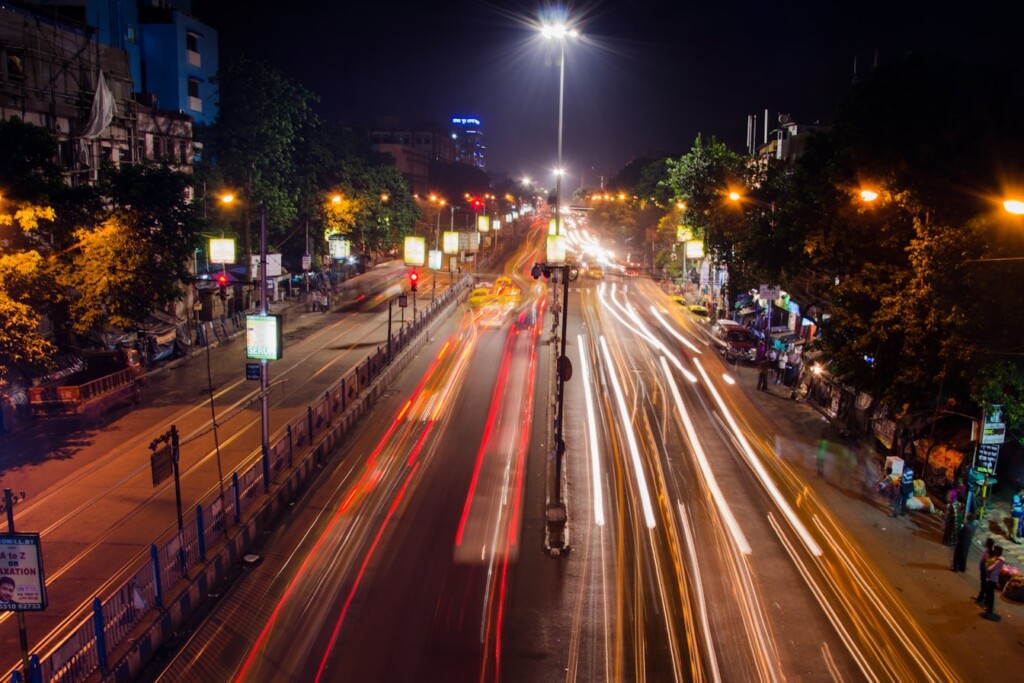
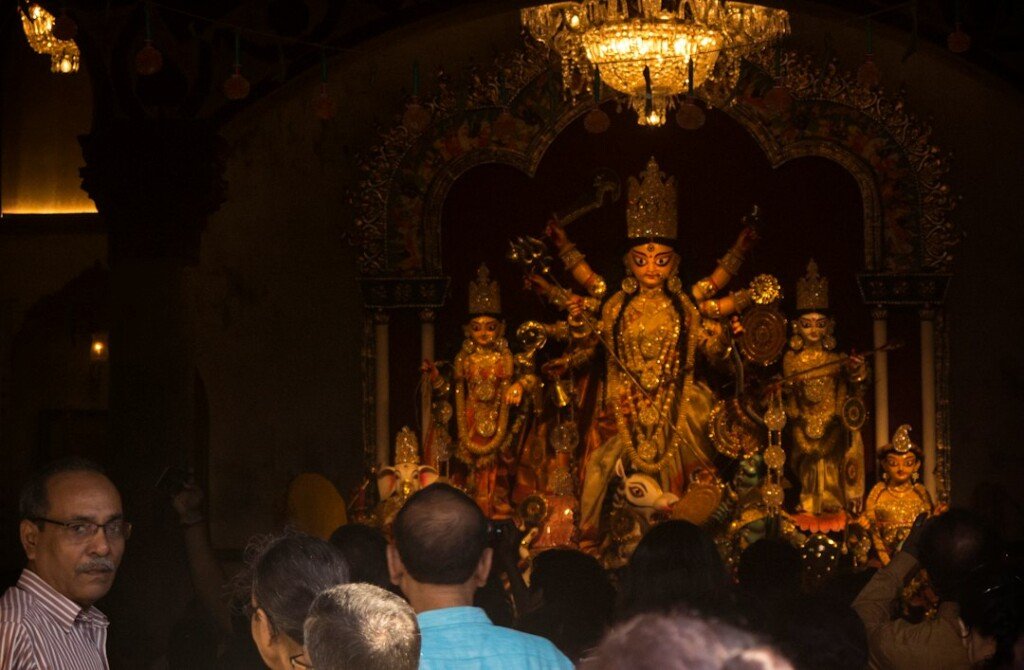
Featured image: Durga Puja festival in Kolkata, photo by Sushmita Nag on Unsplash.