



With the bamboo frames now wrapped in cloth and the first lights being tested across the paras, Lalbazar has moved from planning to instructions. At a central coordination meeting with Puja committees at Nazrul Mancha on Friday, September 25, the Kolkata Police Commissioner and senior officers laid out how the city will be policed through Durga Puja 2026, and what organisers are expected to do in return.
The headline number is manpower. Around 10,000 Kolkata Police personnel will be on the ground during the Puja days, backed by nearly 21,000 temporary home guards and NCC cadets. That is roughly one extra pair of hands for every pandal-hopping crowd bottleneck the city is known for, from Deshapriya Park and Chetla to Bagbazar and Kumartuli.
What Kolkata Police Told Puja Committees
The Nazrul Mancha meeting was the last and biggest in a series. Police station and divisional level meetings had already been held, and officers said most of the problems committees raised there have been sorted out. The central meeting focused on security, traffic and crowd control. The key directions were:
- Separate entry and exit routes at every pandal. One-way movement inside the pandal area is the single biggest safeguard against a crush when crowds peak after dark.
- A plan for rain. Committees have been asked to prepare for rain-related problems, a real concern in a year when a late-September depression has already brought heavy rain to the city.
- Work with civic bodies on roads and drains. Organisers must coordinate with the authorities so road repairs and drainage work around Puja venues are finished in time.
- Fire safety support. Some committees asked the Fire Brigade for training or extra help with fire safety arrangements, and contact details were exchanged so any emergency can get a quick response.
- No harassment over chanda. Subscription collection must not inconvenience residents or turn into coercion.
The Sahaj Portal: Permissions Go Digital
Puja committees have been told to use the state’s Sahaj portal (sahaj.wb.gov.in) for the permissions and clearances they need. Officials said most applications and related issues are now being handled through the portal, and applications are being cleared after verification. Kolkata Police usually gives permission to around 3,000 Pujas in its area each year, so moving that paperwork online matters for smaller neighbourhood clubs as much as for the big-budget pandals.
What It Means for Pandal Hoppers
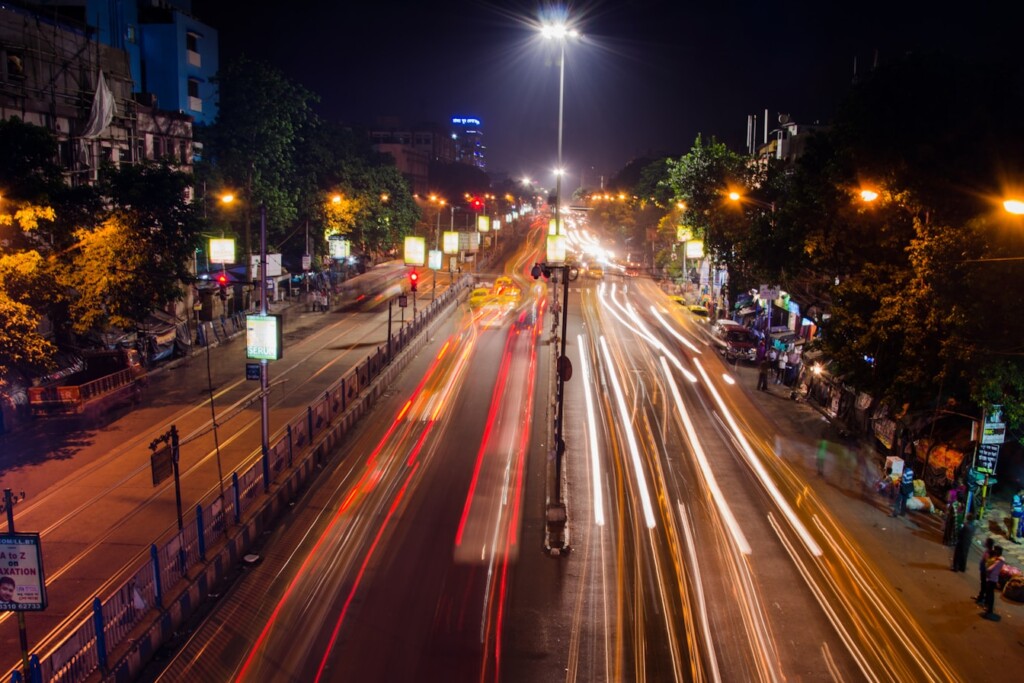
For visitors, the change you will notice most is traffic. Police said a traffic circulation plan is being built around where the pandals are, with one-way routes, fixed entry and exit points and some roads closed completely. Parking will be regulated, footpaths are to be kept clear for walkers, and extra lighting is planned on busy stretches.
Put simply, expect to walk more and drive less near the big-name Pujas, and expect road patterns in south and north Kolkata to change in the evenings. With the state’s official Puja launch and Mahalaya programme already drawing crowds (see our report on the Mahalaya 2026 celebrations at Eden Gardens), the pressure on central roads will build early this year.
Practical Tips for a Safer Puja Night
- Follow the arrows. Use the marked entry and exit even if the other gate looks quicker. Crowds pushing both ways cause most crushes.
- Take the Metro where you can. Blue Line stations near the big South Kolkata Pujas get packed, but it is still faster than sitting in one-way traffic.
- Carry a small umbrella or raincoat. Organisers are planning for rain, and you should too.
- Agree on a meeting point with family, especially with children or elderly relatives, in case you get separated.
- Do not park on footpaths or near pandal gates. Police will be enforcing parking rules and towing is likely.
- In an emergency, dial 112 or 100, or look for the nearest police assistance booth, which are usually set up near the larger pandals.
- Forced chanda? Report it using the Kolkata Police chanda helpline and WhatsApp line.
Frequently Asked Questions
How many police will be deployed in Kolkata for Durga Puja 2026?
Around 10,000 Kolkata Police personnel, supported by about 21,000 temporary home guards and NCC cadets, according to police officials.
What is the Sahaj portal?
Sahaj is the West Bengal government’s online portal for Puja permissions. Committees apply there for the clearances they need, and police verify and approve the applications.
Will roads be closed near pandals?
Yes. Police said the traffic plan includes one-way routes, fixed entry and exit points and some road closures around pandals. Detailed advisories usually come closer to the Puja days on Kolkata Police’s official channels.
Do these rules apply to Salt Lake, New Town or Howrah?
This plan covers the Kolkata Police area. Bidhannagar, Howrah and Barrackpore have their own police commissionerates and issue their own Puja arrangements.
The Bottom Line
Kolkata Police has set out a clear playbook for Durga Puja 2026: more boots on the ground, one-way movement at pandals, backup plans for rain and paperwork through the Sahaj portal. For residents and visitors, that means planning routes in advance, trusting the arrows at the gate, and keeping emergency numbers handy. The goddess arrives soon, and the city’s job is to keep her visitors moving safely.
Sources: Kolkata Police coordination meeting with Puja committees at Nazrul Mancha, September 25, 2026, as reported by PTI (via ThePrint and The Daily Jagran) and ANI (via The News Mill); Sahaj portal details from sahaj.wb.gov.in.
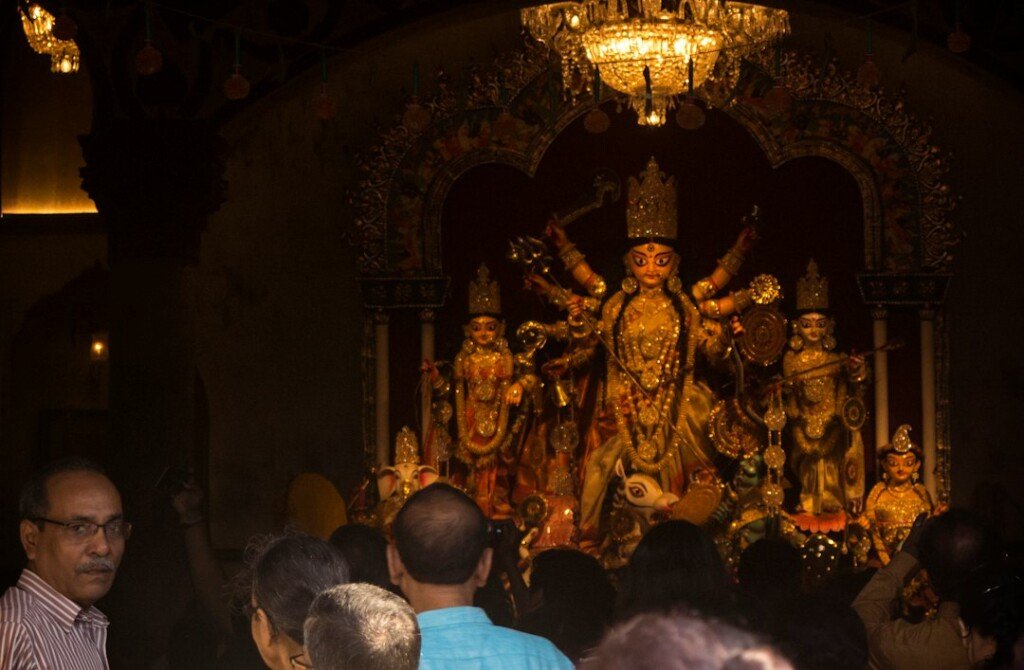
Featured image: Durga Puja festival in Kolkata, photo by SUSHMITA NAG on Unsplash.