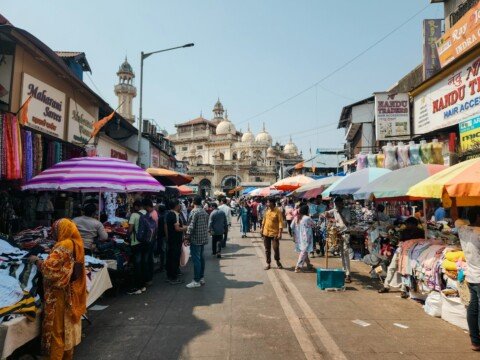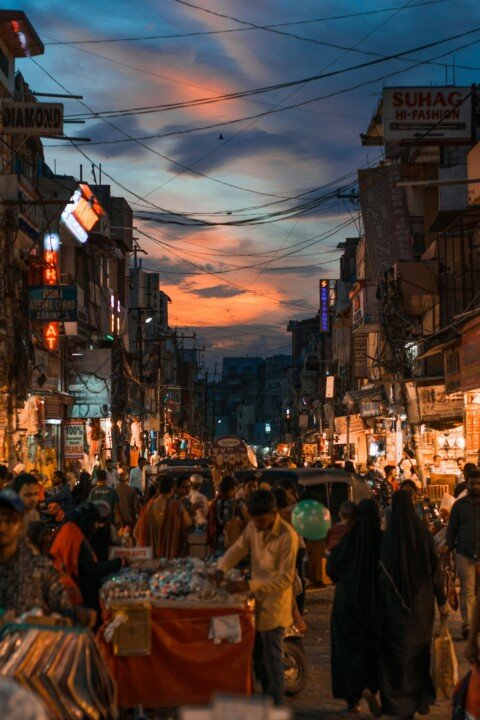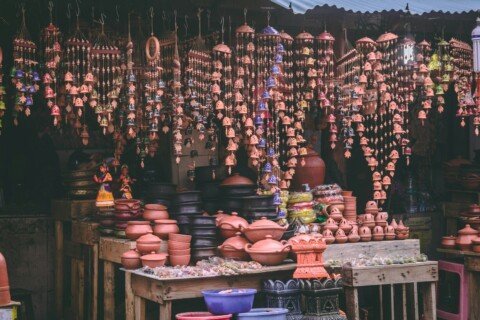



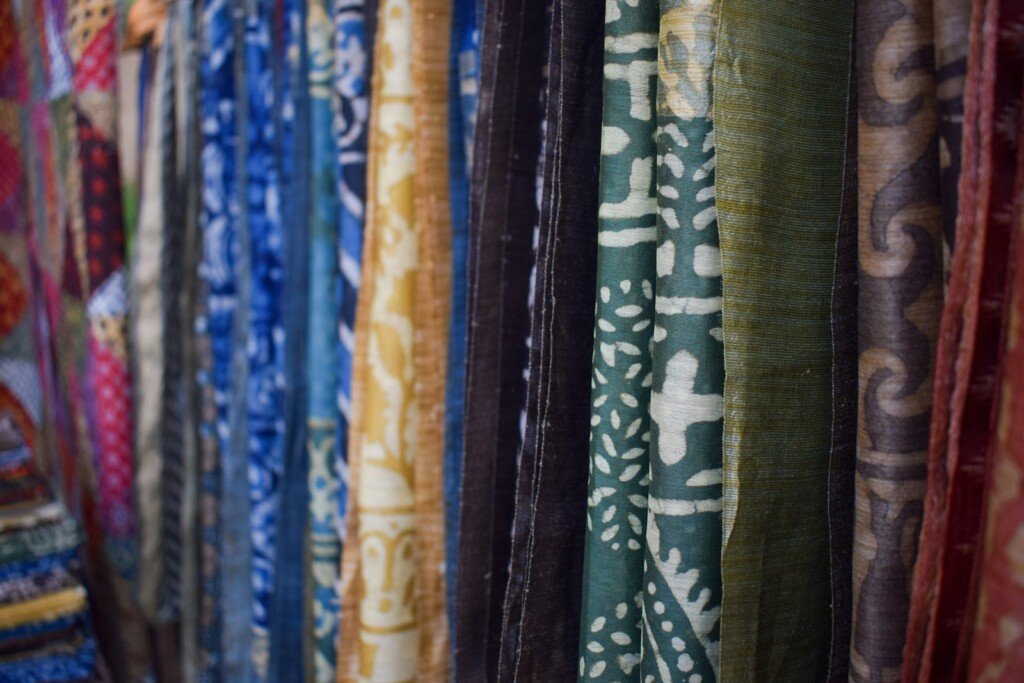

Wedding shopping in Kolkata is best done market by market rather than mall by mall, because the city splits its wedding trade across a handful of specialist districts. Gariahat and Hatibagan are where most families buy Bengali sarees, including the red Benarasi the bride wears. Bowbazar, along B.B. Ganguly Street, is the gold and bridal jewellery hub, home to hundreds of goldsmiths and long-established showrooms. Burrabazar handles wholesale fabric, lehengas and sherwanis at the lowest prices in the city if you are willing to negotiate. New Market covers the mixed list: footwear, cosmetics, luggage, gift items and home decor under one roof. Wedding cards and printing cluster around College Street and Bowbazar. Ritual items such as topor, mukut, shankha, pola and kulo are easiest to find near Baithakkhana and the temple markets. Plan roughly three to four separate shopping trips, and start at least two months before the date.
How to Plan Wedding Shopping in Kolkata Without Wasting Trips
The single biggest mistake families make is treating this as one long day out. Kolkata’s wedding markets are spread across north, central and south Kolkata, and traffic between them is slow for most of the day. A far better approach is to group purchases by district and give each district its own trip.
A workable split looks like this: one trip to south Kolkata for sarees and retail clothing, one trip to central Kolkata for gold, cards and ritual items, and one trip to Burrabazar or Hatibagan for bulk and gift buying. Keep a shared list on your phone with sizes, colours and the number of pieces needed for each ritual, because the count is what people forget. If you want the wider picture of which market sells what across the city, our Kolkata shopping guide to markets and malls maps the whole retail landscape.
Best Markets for Bridal Sarees and Wedding Clothes
Clothing is usually the first and largest line in the budget, and it is also where the difference between markets is most obvious.
Gariahat: the default choice for Bengali sarees
Gariahat is where most Kolkata families do the bulk of their saree shopping. The stretch around the Gariahat crossing holds several large multi-floor saree houses, with separate floors for Benarasi, tant, silk, Baluchari and Dhakai. Because the big stores sit within a few hundred metres of each other, comparing designs and prices is realistic here in a way it is not in a mall.
Prices vary enormously with the amount of real zari work, the weave and whether the silk is pure or blended, so ask the salesperson to explain what you are paying for rather than going by the display price alone. The pavement stalls outside are useful for lower-cost gift sarees and blouse pieces. Our Gariahat shopping guide covers timings, bargaining norms and which side of the road sells what.
Hatibagan and north Kolkata for traditional weaves
North Kolkata’s Hatibagan area is the northern equivalent of Gariahat, with a strong concentration of cotton and silk saree shops and a slightly more traditional selection. Families based in the north of the city often find the same weaves here without the Gariahat crowds. For a breakdown of which weaves suit which ritual, see our guide to buying traditional Bengali sarees in Kolkata.
Burrabazar for lehengas, sherwanis and wholesale fabric
Burrabazar is the wholesale engine behind a large share of Kolkata’s retail clothing. Lehengas, sherwanis, dupattas, dress material and trimmings are all sold here, usually at noticeably lower prices than retail, but the experience is demanding: narrow lanes, heavy crowds, limited trial facilities and shops that prefer bulk buyers. It suits families buying multiple outfits or gifting clothes to a long guest list.
Go early in the morning, carry cash as well as a UPI-enabled phone, and be prepared to negotiate. Many wholesale shops keep a weekly off, so confirm the day by phone before travelling.
Where to Buy Bridal Jewellery: Bowbazar Gold Market
Bowbazar, running along B.B. Ganguly Street in central Kolkata, is the city’s jewellery quarter. It combines large branded showrooms with a dense cluster of small workshops and family goldsmiths, many of whom will make a piece to order or reset old gold into a new design. For traditional Bengali bridal pieces such as the mukut, sitahaar, chik, ratanchur and bala, this is the deepest selection in the city.
Gold rates move daily and making charges are quoted either as a percentage of the metal value or per gram, so the total you pay depends on the design as much as the weight. Intricate, hand-finished pieces carry higher making charges than machine-made chains. Ask for the making charge and the wastage percentage separately, in writing, before agreeing to anything. Our Bowbazar gold market guide goes into making charges and buy-back terms in more detail.
How to check gold purity before you pay
Hallmarking is mandatory for gold jewellery in India, and every hallmarked piece carries a Hallmark Unique Identification code that you can verify yourself. Check that the piece shows the BIS mark, the purity grade such as 22K916 or 18K750, and the HUID, then verify it using the official BIS Care app. The Bureau of Indian Standards hallmarking FAQ explains what each mark means and how the verification works. Always take a proper tax invoice listing weight, purity and making charges, since resale and exchange terms depend on it.
Where to Order Wedding Cards in Kolkata
Wedding card printing in Kolkata is concentrated in the College Street and Bowbazar belt in central Kolkata, which has long been the city’s printing and publishing district. Shops here hold sample books ranging from simple single-fold cards to boxed sets with inserts, and most handle the printing in house or through a press a few doors away.
Three things decide the final cost: the paper and finish, the printing method, and the quantity. Screen and offset printing become cheaper per card as volume rises, so decide your guest count before you order rather than reprinting later. Ask for a physical proof before the full run is printed, and check the spelling of every name, date and venue on that proof yourself. Allow one to two weeks between placing the order and collection, and longer during the peak November to February wedding season.
Bengali Ritual Items: Topor, Mukut, Shankha, Pola and Tatta Trays
A Bengali wedding needs a long list of ritual items that no single department store stocks. The core list usually includes the topor and mukut for the groom and bride, shankha and pola bangles, sindoor and the sindoor box, a kulo and panpata, dhunuchi, decorated trays for the tatta or tattva gift exchange, and assorted brass and clay items for the ceremonies.
The Baithakkhana and Bowbazar stretch in central Kolkata is the practical place to buy most of this in one go, and shops near major temples and the older north Kolkata markets carry similar stock. Shankha and pola in particular are worth buying in person so the bangles can be sized to the wrist. If you also want handmade dokra, terracotta or kantha pieces for the tatta trays, our guide to buying Bengali handicrafts in Kolkata lists the government emporiums and craft outlets worth visiting.
Give the priest or an elder in the family your list to check before you buy. Ritual requirements differ between families and communities, and it is far easier to add an item on the first trip than to make a second one.
New Market for Footwear, Cosmetics and Gifting
New Market near Esplanade is the catch-all stop. Under and around the old Hogg Market building you will find footwear, bags, luggage, cosmetics, artificial jewellery, home linen, dry fruits, bakery items and gift packaging, which covers most of the small items that pile up in the last fortnight before a wedding. It is also the easiest single location for out-of-town relatives to shop, since it sits close to Esplanade metro and the bus terminus.
Touts near the entrances will offer to guide you to specific shops. You do not need them, and prices tend to rise when you arrive with one. Our New Market guide explains the layout and how bargaining works there.
How Much Should You Budget for Wedding Shopping in Kolkata?
Rupee figures for a wedding vary so widely by family, guest count and gold weight that any single number would be misleading, and gold rates in particular change daily. What is far more useful is a structure. Split the shopping budget into five buckets and allocate a percentage to each before you start:
- Jewellery: usually the largest single share, and the one most sensitive to daily gold rates and making charges.
- Bridal and groom outfits: the main saree or lehenga, the dhoti-kurta or sherwani, and reception outfits.
- Family and gifting clothes: sarees, dhotis and kurtas for immediate family and the tatta exchange.
- Ritual items and tatta trays: individually inexpensive, collectively significant because the list is long.
- Cards, packaging and miscellaneous: invitations, gift boxes, sweets packaging and last-minute buying.
Get quotes for the two large buckets, jewellery and outfits, before committing to anything in the smaller ones. Prices quoted in this article’s markets should always be confirmed in person on the day, since they move with the season and with the gold rate.
A Realistic Shopping Timeline
Working backwards from the wedding date keeps the trips manageable:
- Three months out: fix the guest count, set the budget split, and start looking at jewellery designs so custom pieces have time to be made.
- Two months out: buy the bridal saree and main outfits, and place the wedding card order.
- Six weeks out: collect and check the cards, begin distribution, and buy family and gifting clothes.
- One month out: collect jewellery, buy shankha and pola, and assemble the ritual and tatta items.
- Two weeks out: footwear, cosmetics, packaging and the inevitable forgotten items at New Market.
Shift everything two to three weeks earlier if the wedding falls in the busy November to February window, when tailors, printers and goldsmiths are all working through a backlog.
Bargaining, Payment and Practical Tips
- Bargaining is normal in Burrabazar, New Market and on the pavement stalls. It is not expected in the large branded saree houses and jewellery showrooms, where the negotiation is over making charges and discounts rather than the ticket price.
- Carry both cash and a UPI-enabled phone. Smaller shops may prefer cash; larger showrooms will insist on a card or bank transfer for high-value jewellery, which is also better for your records.
- Insist on a GST invoice for anything expensive. Exchange, buy-back and warranty claims all depend on it.
- Shop on weekday mornings if you can. Weekends and evenings in Gariahat and New Market are genuinely difficult to move through.
- Take a photograph of every shop’s card or signboard. Retracing a stall you liked in Burrabazar without one is close to impossible.
- Check the weekly closing day before travelling. Several wholesale markets shut one day a week, and it is not the same day everywhere.
Frequently Asked Questions
Which market is best for wedding shopping in Kolkata?
There is no single best market, because the city specialises by district. Gariahat and Hatibagan are best for Bengali sarees, Bowbazar for gold and bridal jewellery, Burrabazar for wholesale lehengas and fabric, College Street and Bowbazar for wedding cards, and New Market for footwear, cosmetics and gifting. Most families use three or four of these rather than one.
How early should I start wedding shopping in Kolkata?
Around three months before the date is comfortable, and two months is the practical minimum. Custom jewellery, tailoring and card printing all need lead time, and that lead time stretches during the November to February peak season when everyone is ordering at once.
Is Burrabazar actually cheaper than Gariahat for wedding clothes?
For volume buying, usually yes, because Burrabazar is a wholesale market and Gariahat is largely retail. The saving comes with trade-offs: fewer trial facilities, minimum quantities at some shops, heavy crowds and less scope for returns. For one or two important outfits that must fit perfectly, the retail saree houses are the safer choice.
Where can I buy a Bengali topor, mukut and shankha pola in Kolkata?
The Baithakkhana and Bowbazar area in central Kolkata is the most reliable single stop, and shops around major temples and the older north Kolkata markets stock the same items. Buy shankha and pola in person so the bangles can be sized to the wrist correctly.
How do I make sure the gold I buy is genuine?
Buy only hallmarked jewellery, check that the piece carries the BIS mark, the purity grade and the six-character HUID, and verify the HUID yourself using the official BIS Care app before you pay. Take a full tax invoice showing weight, purity, making charges and wastage, because exchange and buy-back terms are calculated from it.
The Short Version
Treat wedding shopping in Kolkata as four separate expeditions rather than one marathon: south Kolkata for sarees, central Kolkata for gold and cards, Burrabazar or Hatibagan for bulk and gifting, and New Market to close the gaps. Set the budget split before the first trip, start three months out, verify every hallmark, and confirm prices and closing days on the day you travel. The markets have been doing this for well over a century, and they still reward the family that arrives with a list.