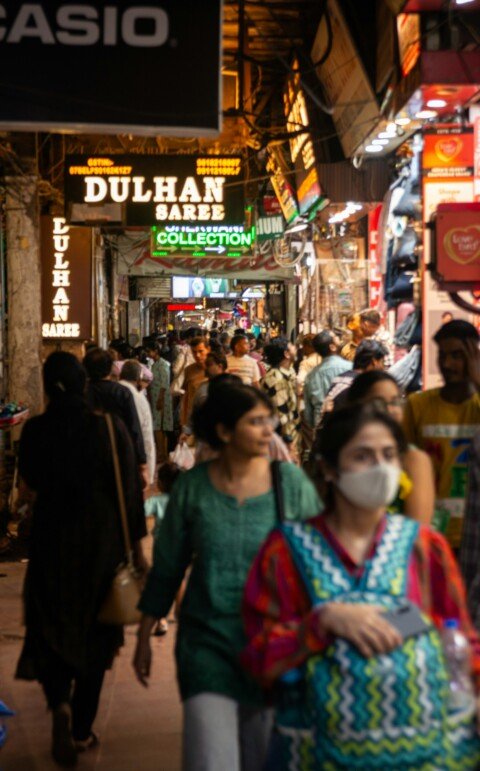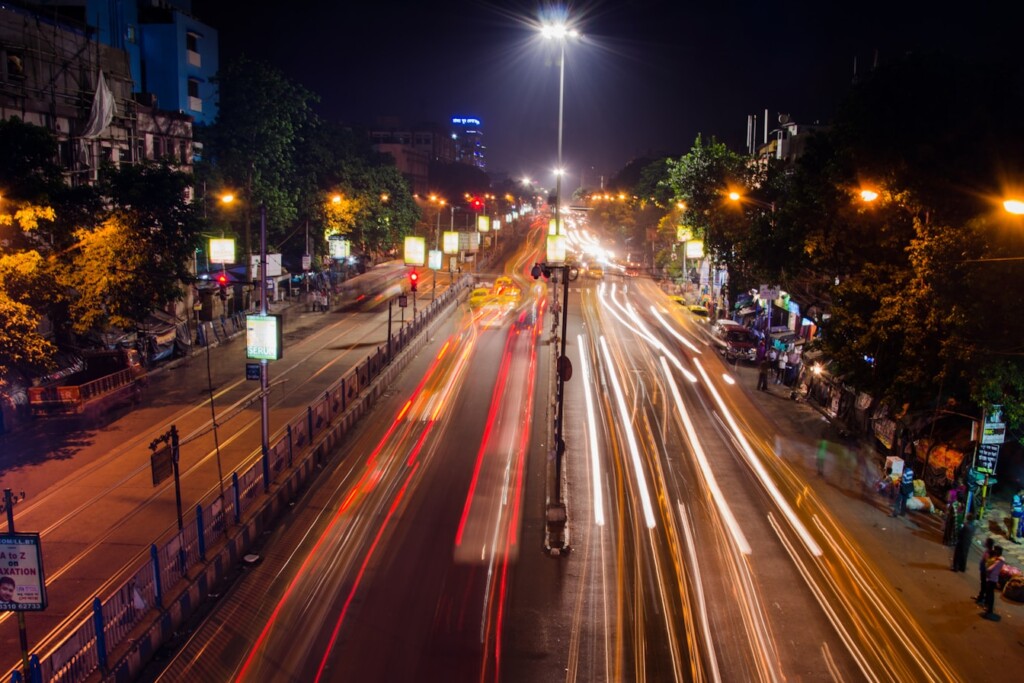



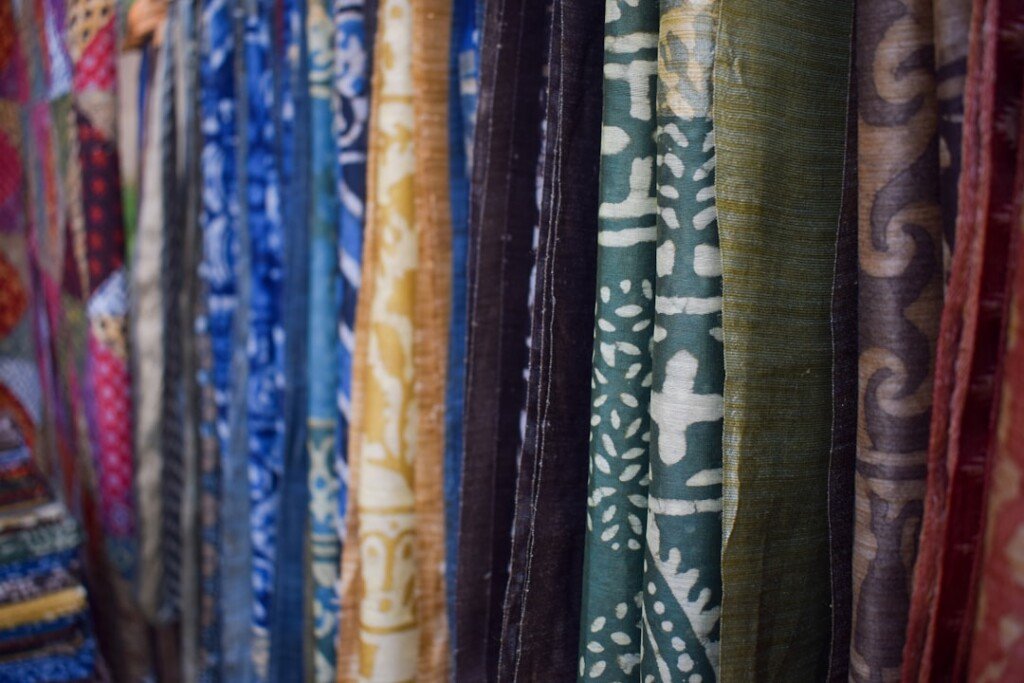

If you’re looking for traditional Bengali sarees in Kolkata, the city’s best options fall into a few clear categories: heritage retail streets, wholesale markets, and specialist boutiques. Gariahat, in South Kolkata, is the single most reliable stretch for handloom Tant, Baluchari and Jamdani sarees, home to decades-old stores such as Adi Dhakeshwari Bastralaya and the Dhakeswari Bastralaya (RDB) on Rashbehari Avenue, alongside smaller handloom-only boutiques like Byloom. For heritage retail with fixed pricing, New Market (Hogg Market) remains a dependable option, while Burrabazar and the Bagri Market complex offer the lowest prices for buyers willing to negotiate at wholesale volumes. North Kolkata’s Hatibagan Market is the budget-friendly choice, especially busy in the weeks before Durga Puja. Prices vary enormously by fabric and craftsmanship: cotton Tant sarees start modestly, while genuine silk Baluchari and Dhakai Jamdani sarees command a significant premium for their handwoven detail.
Best Places to Buy Bengali Sarees in Kolkata
Kolkata’s saree shopping scene is spread across a handful of distinct neighbourhoods, each with its own character, price point and specialty. Here’s where to go depending on what you’re after.
Gariahat: Kolkata’s Saree Hub
Gariahat, at the junction of Gariahat Road and Rashbehari Avenue in South Kolkata, is where most Kolkatans go first for sarees. The area mixes roadside stalls with long-established stores: Adi Dhakeshwari Bastralaya (founded 1945, with a second outlet at Triangular Park) stocks Benarasi, Tant, Tussar and Dhakai Jamdani; the Dhakeswari Bastralaya run by RDB, reopened in 1947 on Rashbehari Avenue, is one of Bengal’s oldest trusted saree houses; and Byloom, tucked into a Gariahat lane, focuses exclusively on handloom sarees and natural-fibre textiles. Balaram Saha & Sons, trading since 1970, specialises in handloom sarees from Bengal and Bangladesh, including Jamdani. Traders Assembly, inside the Gariahat Textile Market since 1949, is worth a stop for Baluchari, Dhakai Jamdani and Chikankari alongside sarees from other states. For related shopping beyond sarees, see our full Gariahat shopping guide.
New Market (Hogg Market): Heritage Retail
New Market’s saree section sits inside one of Kolkata’s oldest retail arcades, in business for well over a century. Prices here tend to run a little higher than Burrabazar because it’s a fixed-location retail market rather than a wholesale hub, but the range of Tant, silk and mixed-fabric sarees is wide, and the shopping experience is far more organised than a street market. It’s a solid middle-ground choice if you want variety without the haggling of a wholesale market. Read our New Market guide for the full layout and bargaining tips.
Burrabazar and Bagri Market: Wholesale Prices
Burrabazar is Kolkata’s largest wholesale textile market, and the multi-storey Bagri Market complex on Canning Street sits at its centre. Both deal in Banarasi, Tant, Kanjeevaram and other saree types at wholesale rates, which means better prices if you’re comfortable navigating a crowded, business-first market and buying in reasonable quantity or negotiating hard for a single piece. This is not a leisurely browsing experience, but it’s typically the cheapest option in the city for the same fabric quality.
Hatibagan Market: Budget Sarees in North Kolkata
Hatibagan, in North Kolkata, is the neighbourhood market of choice for budget-conscious shoppers, particularly in the run-up to Durga Puja when footfall spikes sharply. Expect a wide variety of everyday and festive sarees at accessible prices, though it’s better suited to cotton Tant and printed sarees than to fine silk Baluchari or Jamdani pieces.
Dakshinapan Shopping Centre
Dakshinapan, in South Kolkata, is a government-linked shopping complex frequently recommended specifically for traditional Bengali sarees, including state-emporium outlets such as Tantuja, which sells handloom Tant, Baluchari and Jamdani sarees at set prices with no bargaining required — useful if you want a reliable baseline price before negotiating elsewhere.
Types of Traditional Bengali Sarees You’ll Find
Bengal’s weaving tradition covers several distinct styles, and knowing the difference helps you shop with intention rather than guesswork.
- Tant: A lightweight, breathable handwoven cotton saree, traditionally woven around Shantipur and Fulia in Nadia district and in Dhaniakhali. It’s the everyday Bengali saree and the most affordable entry point.
- Baluchari: A silk saree woven in Bishnupur, Bankura district, famous for mythological and narrative scenes worked into the pallu and border. Genuine silk Baluchari holds Geographical Indication (GI) status tied to Bankura and sits at the premium end of the market.
- Jamdani (Dhakai): A fine muslin-based saree with motifs woven directly into the fabric rather than embroidered on top, historically linked to the Bengal muslin tradition. West Bengal’s Tangail Jamdani variant has been pursuing its own GI recognition.
- Kantha: Not a weave but a running-stitch embroidery technique applied onto a saree base, creating floral or geometric motifs — a broader Bengal folk-textile craft rather than a single saree type.
- Garad and Korial: White-bodied silk sarees with red borders and small motifs, rooted in Murshidabad’s silk-weaving tradition from the Nawabi era, traditionally worn for religious occasions. Korial-Benarasi adds gold or silver Benarasi-style brocade to the Korial base.
- Murshidabad Silk: Pure silk sarees woven in Murshidabad district, known for their texture and zari work.
How Much Do Bengali Sarees Cost in Kolkata?
Saree prices in Kolkata span a very wide range, and figures below are indicative only — always confirm current pricing directly with the shop, since it depends heavily on fabric purity, thread count and how intricate the weaving or embroidery is. Simple cotton Tant sarees are the most affordable option and can be found cheaply at markets like Hatibagan. Tant sarees with woven Baluchari-style motifs (a cotton-silk blend rather than pure silk) have been seen listed roughly in the Rs 4,500 to Rs 18,500 range depending on complexity. Cotton or muslin Dhakai Jamdani sarees typically start somewhere around Rs 3,000 to Rs 5,000 at the lower end, climbing well beyond that for finer handwork. Genuine pure-silk Baluchari with hand-loomed pictorial pallus sits in a distinctly higher bracket than its cotton-blend cousin. Because the range is this wide, it’s worth comparing a fixed-price option like Tantuja at Dakshinapan against a negotiable Gariahat or Burrabazar stall before committing.
Best Time to Shop: Durga Puja Season
Buying new sarees for Durga Puja is one of the most deeply embedded shopping traditions in Bengali culture, often described locally as a week-long fashion marathon. Many families buy several sarees, sometimes five to seven, to wear across the different puja days from Shashti to Dashami, each day carrying its own dress mood — and the red-and-white saree in particular carries strong cultural and religious significance during the festival. Markets like New Market and Hatibagan see their heaviest footfall of the year in the weeks before Puja, so shop early if you want the best selection, or later in the season if you’re hoping to negotiate harder as stock clears. For a broader festive shopping list beyond sarees, see our Durga Puja shopping guide.
Tips for Buying Authentic Bengali Sarees
- Ask specifically whether a Tant or Jamdani saree is handloom or powerloom — handloom takes longer to make and costs more, and shops should be able to tell you plainly which it is.
- Check the GI tag or shop certification where available; genuine Baluchari and Santipuri Tant both carry registered Geographical Indication status, and reputable sellers will reference this.
- Compare a fixed-price government outlet like Tantuja against market stalls before you start negotiating elsewhere, so you know roughly where a fair price sits.
- Feel the fabric: authentic handloom cotton Tant has a slightly uneven, textured weave rather than a perfectly uniform machine finish.
- Shop early in the Puja season for the best stock, or ask about post-Puja discounts if timing isn’t critical for you.
Frequently Asked Questions
Where is the best place to buy Baluchari sarees in Kolkata?
Gariahat is the most reliable area, with heritage stores like Adi Dhakeshwari Bastralaya, RDB’s Dhakeswari Bastralaya and Traders Assembly all stocking Baluchari sarees. Dakshinapan’s Tantuja outlet is a good fixed-price benchmark before you compare against Gariahat stalls.
Is Gariahat or New Market cheaper for sarees?
Gariahat generally offers more room to negotiate, especially at stalls rather than established stores, while New Market’s prices tend to be a bit higher because it’s a fixed, century-old retail arcade rather than a wholesale-facing market. For the lowest prices overall, Burrabazar and Bagri Market are typically cheaper than both, but with a more business-first, wholesale-style shopping experience.
How can I tell if a Tant or Jamdani saree is authentic handloom?
Ask the seller directly whether it’s handloom or powerloom, as reputable shops will state this clearly. Authentic handloom fabric usually has a slightly irregular, textured weave rather than a perfectly even machine finish, and handloom pieces generally cost more than powerloom equivalents of similar design.
What is the difference between Baluchari and Jamdani sarees?
Baluchari is a silk saree from Bishnupur known for mythological or narrative scenes woven into the pallu and border. Jamdani is a fine, typically muslin-based saree where geometric or floral motifs are woven directly into the fabric during weaving, historically linked to Bengal’s muslin tradition. They come from different regions, use different base fabrics, and have distinct motif styles.
Do saree prices increase during Durga Puja season?
Demand rises sharply in the weeks before Durga Puja as shoppers stock up for the festival, and popular designs can sell out at markets like New Market and Hatibagan. While formal price hikes aren’t guaranteed everywhere, less negotiating room and reduced stock choice are common during peak Puja shopping weeks, so shopping a little earlier in the season is generally worthwhile.
For India’s official Geographical Indication registrations, including Bengal’s Baluchari and Santipuri Tant sarees, see the GI Registry at the Intellectual Property India portal.