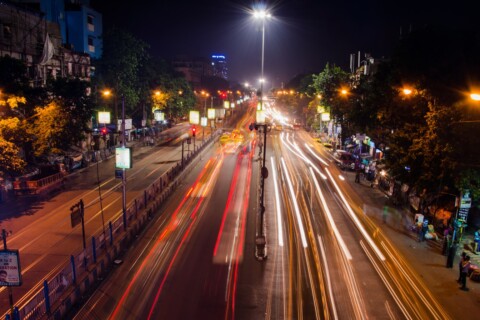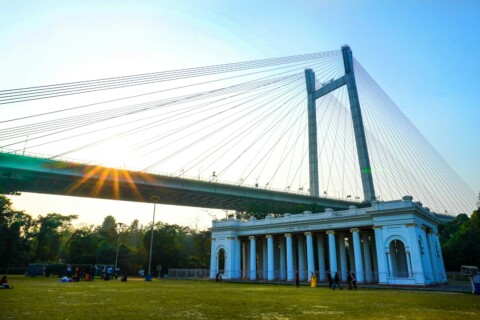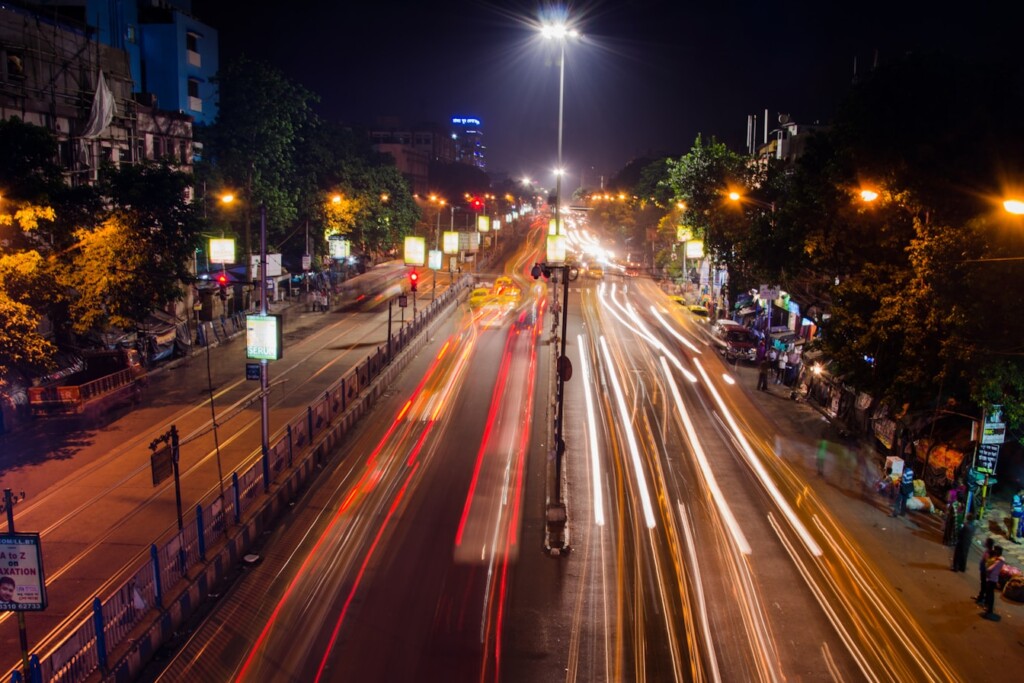



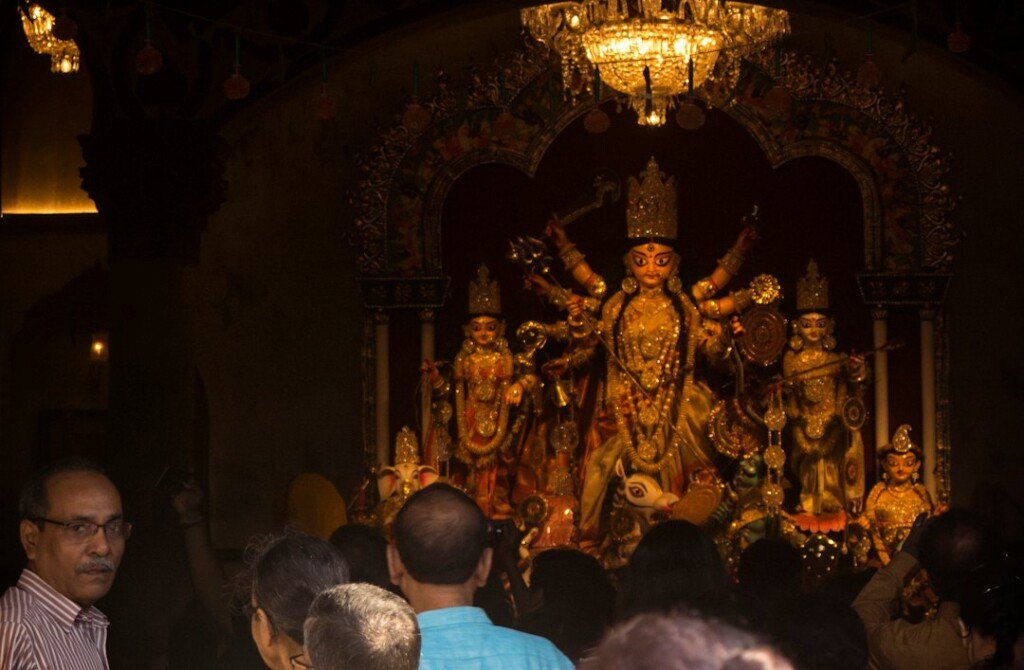

Durga Puja pandal hopping in Kolkata works best when you plan by zone, time your visits around the crowd cycle, and pace yourself over several days rather than trying to see everything at once. The festival runs five main days, from Shashthi to Dashami, and draws lakhs of visitors to thousands of pandals across the city, with the biggest names in North Kolkata, South Kolkata, Behala and Salt Lake each easily worth a full evening on their own. The simplest approach is to pick one or two zones a day, start early in the morning or late after midnight to dodge peak crowds, and lean on the Metro wherever your route allows it, since roads around major pandals are closed to vehicles from Shashthi onward. This guide breaks pandal hopping down by area, timing, transport and food, so you can build a route that actually covers the pandals you want to see instead of losing an evening to a single traffic jam.
When to Start Pandal Hopping in Kolkata
Most of the big-budget pandals in Kolkata open to the public days before the formal start of the puja, often from Panchami or even Tritiya, specifically to spread the crowd out over a longer window. Mahalaya marks the traditional beginning of the festive mood, but the real pandal-hopping season starts once the larger community pujas finish their inaugurations, usually two to four days before Shashthi. For the exact 2026 calendar, including which day Shashthi, Ashtami and Dashami fall on, check our Durga Puja 2026 dates and day-by-day schedule. Starting your pandal hopping in this early window, rather than waiting for Ashtami and Navami, is the single easiest way to see the marquee pandals without standing in a multi-hour queue.
Best Times of Day to Avoid the Crowds
Crowd patterns during Durga Puja are fairly predictable. Mornings, roughly 8 to 11 AM, are the quietest window at almost every pandal, since most visitors are still getting ready or sleeping in after a late night out. The crowd builds steadily through the afternoon and peaks between 8 PM and midnight, especially on Saptami, Ashtami and Navami evenings when families and groups are out in force. A second, less obvious quiet window opens after 1 AM, when the biggest pandals are often still lit and running but the queues have thinned considerably. Ashtami evening, particularly around the Sandhi Puja hour, is the single most crowded slot of the entire festival and is worth avoiding at high-footfall pandals unless you specifically want to witness the ritual. Weekday pandal hopping is consistently calmer than weekends, so if your schedule allows it, use Shashthi and Saptami if they fall on weekdays to see the top pandals before the weekend crush.
Planning Your Pandal-Hopping Route by Zone
Kolkata’s pandal map is genuinely citywide, and trying to zigzag between distant neighbourhoods in one night is the most common mistake first-time pandal hoppers make. A route built around two or three geographic clusters, covered on separate days, works far better than chasing individual famous names across the map.
North Kolkata
North Kolkata is the traditional heart of Durga Puja, home to some of the city’s oldest bonedi bari (aristocratic household) pujas alongside major community pandals in Bagbazar, Kumartuli and Shobhabazar. The lanes here are narrower and the crowds move slower, so budget more time per pandal than you would elsewhere. Our guide to the best Durga Puja pandals in North Kolkata covers the specific addresses and what makes each one worth the walk.
South Kolkata
South Kolkata tends to host the most elaborate theme pandals, with clubs in Ballygunge, Deshapriya Park and the surrounding lanes competing on scale and design every year. This zone is more spread out than North Kolkata, so a car, auto or the metro between clusters works better than walking everywhere. See our South Kolkata pandal guide for a practical order to visit them in.
Salt Lake, New Town and the Eastern Belt
Sreebhumi Sporting Club in Salt Lake has become a destination pandal in its own right, often drawing crowds that rival anything in the traditional zones, largely because of its scale and elaborate sets. If this is on your list, plan for it as a standalone evening rather than folding it into a North or South Kolkata route, since travel time and queue length here can eat up several hours by themselves.
Getting Around During Puja: Metro, Walking and Road Closures
Kolkata Police close large stretches of road around major pandals to vehicle traffic from Shashthi through Dashami, which means walking and the Metro are almost always more reliable than a car or cab once you are inside a pandal cluster. The Metro runs on an extended schedule during the puja days and stays significantly less affected by street-level congestion than road transport, making it the backbone of most locals’ pandal-hopping routes. Our complete Kolkata Metro guide covers lines, fares and station access if you’re new to the network, and our guide to late-night transport in Kolkata is worth reading before any post-midnight pandal run, since not everything that runs at 6 PM is still running at 2 AM. App cabs surge heavily on peak evenings and can struggle to reach you inside a closed-road pandal zone at all, so treat them as a last resort rather than a default plan. For official traffic diversion maps and puja-specific advisories, check the Kolkata Police website closer to the dates.
What to Eat Between Pandals
Food stalls spring up around almost every major pandal during Durga Puja, and grazing between stops is as much a part of the experience as the pandals themselves. Phuchka, egg rolls, chowmein and biryani stalls are the default street-side options near most big pandals, while the areas immediately around College Street, Park Street and New Market stay open late through the festival and offer more sit-down choices. Our Kolkata street food guide covers the classics worth seeking out if you want to eat like a local while you walk.
A Simple Three-Day Pandal-Hopping Plan
- Day 1, North Kolkata: Start around 9 AM to see the older bonedi bari pujas without a queue, break for lunch near College Street, then return in the early evening for two or three of the bigger community pandals in Bagbazar and Shobhabazar before the after-dinner crowd builds.
- Day 2, South Kolkata: Begin mid-morning around Ballygunge and Deshapriya Park, use the metro to hop between clusters, and plan your last pandal of the night for around 11 PM so you’re moving against the peak crowd rather than with it.
- Day 3, Salt Lake and a rest stop: Treat Sreebhumi and any New Town pandals as a dedicated half-day, arriving either early morning or well past midnight, and keep the rest of the day light since three consecutive nights of walking adds up fast.
Practical Tips for Pandal Hopping
- Wear broken-in, closed shoes rather than new footwear or sandals; a pandal-hopping night easily covers eight to ten kilometres of walking and standing.
- Carry a power bank. Phone batteries drain fast between navigation, photos and patchy network coverage in dense crowds.
- Keep small cash on hand for street food and rickshaws, since many stalls and short local rides don’t accept cards or UPI reliably in a crowd crush.
- If you’re travelling with children or elderly relatives, agree on a meeting point in advance at each pandal in case your group gets separated in the crowd.
- Check the weather before you head out. Mid-October in Kolkata can still bring a stray monsoon shower, so a compact umbrella is worth the space in your bag.
- Avoid VIP or ministerial visit days at specific pandals if you can help it; security sweeps ahead of a high-profile visit can shut a pandal to the public for hours with little notice.
Durga Puja in Kolkata was inscribed on UNESCO’s Representative List of the Intangible Cultural Heritage of Humanity in 2021, recognition of just how large and how citywide this festival really is, which is exactly why a planned, zone-by-zone approach to pandal hopping matters more here than in almost any other festival crowd in the country.
Frequently Asked Questions
What are the best days for pandal hopping with fewer crowds?
Panchami and Shashthi, especially if they fall on a weekday, are consistently the least crowded days at the major pandals. Ashtami and Navami evenings, particularly around Sandhi Puja, are the most crowded and are best visited either very early in the morning or after 1 AM if you want to avoid a long queue.
Do Durga Puja pandals stay open all night?
Many of the larger community pandals keep their lights and idol displays running through the night for the five main days, though footfall and stall activity thin out considerably after 2 or 3 AM. Smaller neighbourhood pujas tend to wind down earlier, so check locally if you’re planning a very late visit to a specific pandal.
Is it safe to go pandal hopping with children or elderly relatives?
It can be, but it takes more planning than a solo or young-adult route. Stick to daytime or early-evening slots, avoid the biggest theme pandals during peak hours, and fix a clear meeting point in case anyone gets separated, since crowds at the top pandals can get dense enough to make phone calls hard to hear.
How many pandals can you realistically see in one night?
Within a single geographic cluster, three to five pandals in an evening is realistic if you’re not queuing for the very biggest names. Trying to cover pandals across North, South and Salt Lake in one night usually means spending more time in transit than actually looking at any of them.
Do you need to dress a certain way to visit pandals?
There’s no strict dress code, though many people wear traditional Bengali or festive clothing, especially on Shashthi and Ashtami. Comfortable footwear matters far more than formality, since most of the evening is spent standing in queues and walking between pandals.