



A Kolkata monsoon commute works best when you plan around water, not around distance. The metro is the most dependable way to cross the city during heavy rain because its underground and elevated sections are largely unaffected by street flooding, while buses, autos, taxis and trams slow down or thin out when waterlogging builds up on low-lying roads. Leave earlier than usual, keep a metro or suburban rail option as your backup, carry a waterproof bag cover and a charged phone, and avoid wading through standing water because of the risk of open drains and exposed electrical fittings. This guide explains which modes cope best in heavy rain, how to plan a route, what to carry, and what to do when services are disrupted. Conditions change from day to day, so always confirm live updates before you leave.
Which Transport Works Best in Heavy Rain?
Rail-based transport is the safest bet for a Kolkata monsoon commute. The Kolkata Metro runs underground through the central stretch and on elevated viaducts at the northern and southern ends, so it avoids flooded streets entirely. Suburban trains from Sealdah and Howrah also run on their own tracks, although they can be delayed by signal problems or water on the lines. Road transport is more vulnerable. Buses and minibuses keep running but crawl through slow traffic, autos and app taxis become scarce and more expensive in a downpour, and cycle rickshaws and the tram network can be hit by water on the street. If you have a choice, build your journey around a metro or train leg and use a short auto or walk for the first and last kilometre. Our Kolkata Metro route guide shows which lines connect to which neighbourhoods.
Kolkata Monsoon Commute: How to Plan Your Route
Leave Earlier and Check Before You Go
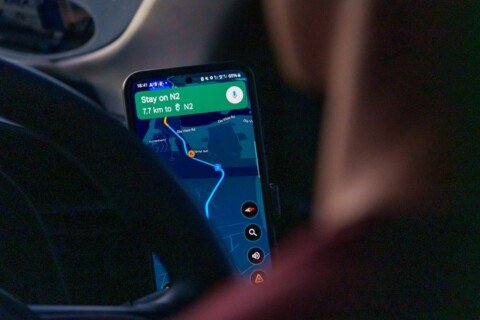
Add at least 30 to 45 minutes to a normal journey on a heavy rain day, and more if your route crosses a known low-lying stretch. Check the weather alert from the India Meteorological Department before you step out; an orange or red alert is a signal to consider working from home or travelling off-peak. Look at the official Metro Railway Kolkata notices and your usual navigation or transit app for live road conditions. Our guide to the best apps for commuting in Kolkata lists tools that show metro, bus and taxi options in one place.
Choose a Rail-First Route
Pick the route that keeps you off the road for as long as possible. For example, a journey between north and south Kolkata is usually more reliable on the Blue Line than on a bus along flooded arterial roads, and the Green Line is the straightforward way to cross the Hooghly between Howrah and the city. If you must change modes, plan the interchange at a station with a covered walkway, such as Esplanade. The Kolkata Metro interchange stations guide explains how to change lines without getting lost.
Know the Waterlogging Pattern
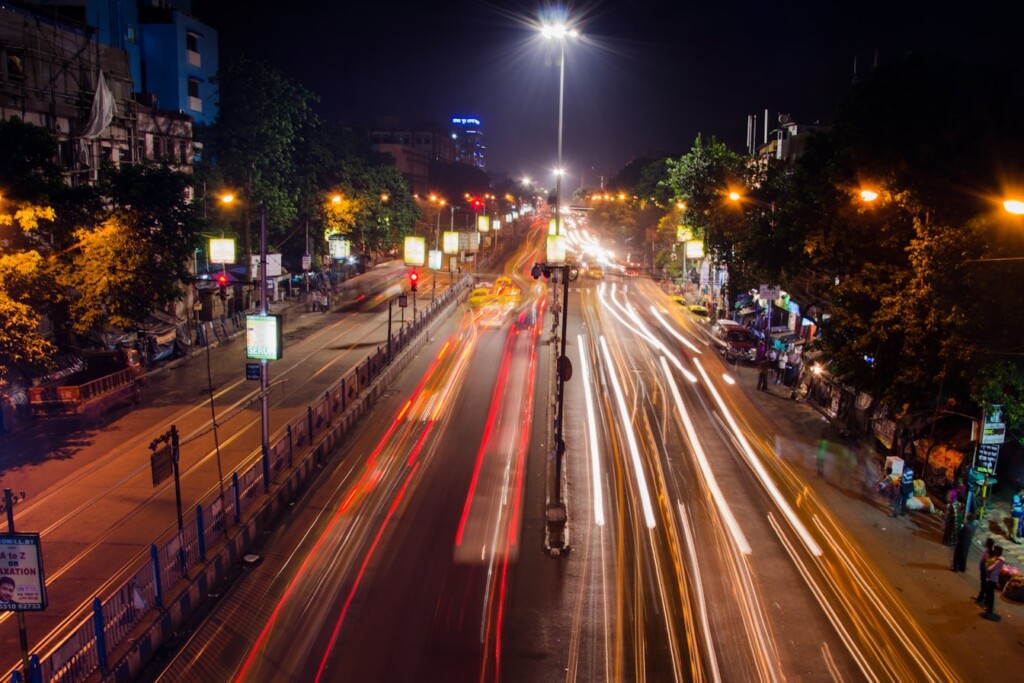
Waterlogging in Kolkata tends to be worst in low-lying pockets and where drains are old or blocked, and it can clear within a few hours once rain stops. Rather than memorising a fixed list, watch local news and traffic updates on the day, and ask a driver or neighbour about the current state of your usual road. If a stretch looks flooded, take a longer dry route instead of testing the depth.
What to Carry on Rainy Days
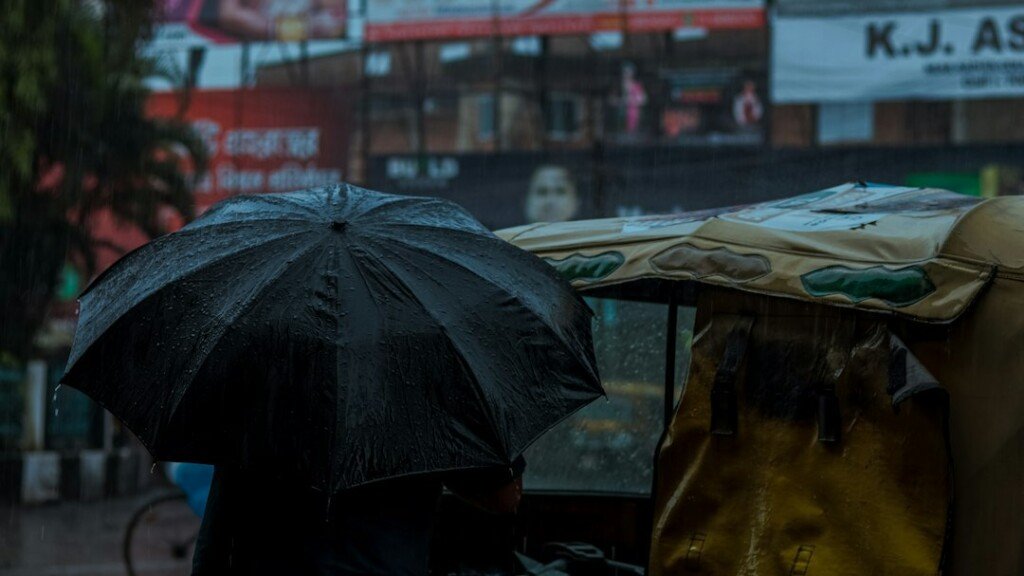
A compact umbrella or raincoat is the obvious start, but the smaller items matter more. Pack a waterproof cover or a plastic sleeve for your bag and laptop, a spare pair of socks, a small towel, a power bank, and some cash in small notes in case digital payments or network coverage fail. Closed shoes with good grip are better than slippers on wet station steps and slippery pavements. Keep documents and ID in a zip pouch.
Safety Rules While Commuting in Heavy Rain
Stay clear of standing water near lamp posts, electric poles, junction boxes and broken cables, because water can carry current. Do not walk or ride through water when you cannot see the road surface, since open manholes and drain covers can be hidden. Avoid sheltering under old hoardings or loose structures. If you are caught in sudden flooding, move to higher ground, a metro station or a shop, and wait for the water to recede rather than pushing on. Women and solo travellers should prefer well-lit, busy routes and share their live location with a family member when travelling late.
Metro, Bus, Auto and Ferry in the Rain
The metro generally keeps running in heavy rain, though occasional delays and short suspensions can occur, so check notices at the station. Buses continue to operate but can be diverted or delayed; our Kolkata bus routes guide covers common commutes and fares. Autos and taxis often refuse short trips or ask for extra in a downpour, so agree on the fare beforehand and see our auto and taxi fare guide for typical rates. Ferries across the Hooghly can be cancelled or delayed in rough weather or high water, so confirm before heading to the ghat; the Hooghly ferry guide lists the main routes.
What to Do When Services Are Disrupted
If a metro section is suspended or roads are cut off, do not rush for the nearest alternative. Wait in a dry, safe spot for a short time, because disruptions in Kolkata often ease within a couple of hours. Tell your office or college early that you may be late, use a different station if your usual one is affected, and consider a suburban train as a backup. For late-night travel after heavy rain, see our guide to late night transport in Kolkata. Official updates are published by Metro Railway Kolkata at mtp.indianrailways.gov.in and weather alerts by the India Meteorological Department.
Frequently Asked Questions
Does the Kolkata Metro run during heavy rain?
Usually yes. Most of the network is underground or elevated, so it is less affected by street flooding than road transport, but short delays or suspensions can happen, so check station notices.
What is the best way to travel in Kolkata during monsoon?
A rail-first route is the most dependable. Use the metro or a suburban train for the main leg, and a short auto or a walk for the rest.
Are autos and taxis available when it rains in Kolkata?
They are available but scarce, and many drivers refuse short trips or charge extra in heavy rain. Book early, agree the fare in advance and keep a metro backup.
How much extra time should I allow on a rainy day?
Allow at least 30 to 45 minutes more than usual, and more on days with an orange or red weather alert.
Is it safe to walk through waterlogged streets?
It is best avoided. Standing water can hide open drains and carry electric current, so take a longer dry route or wait for the water to go down.