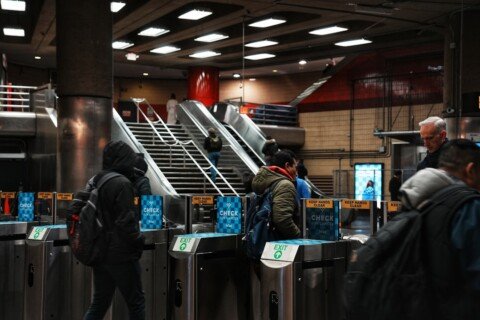



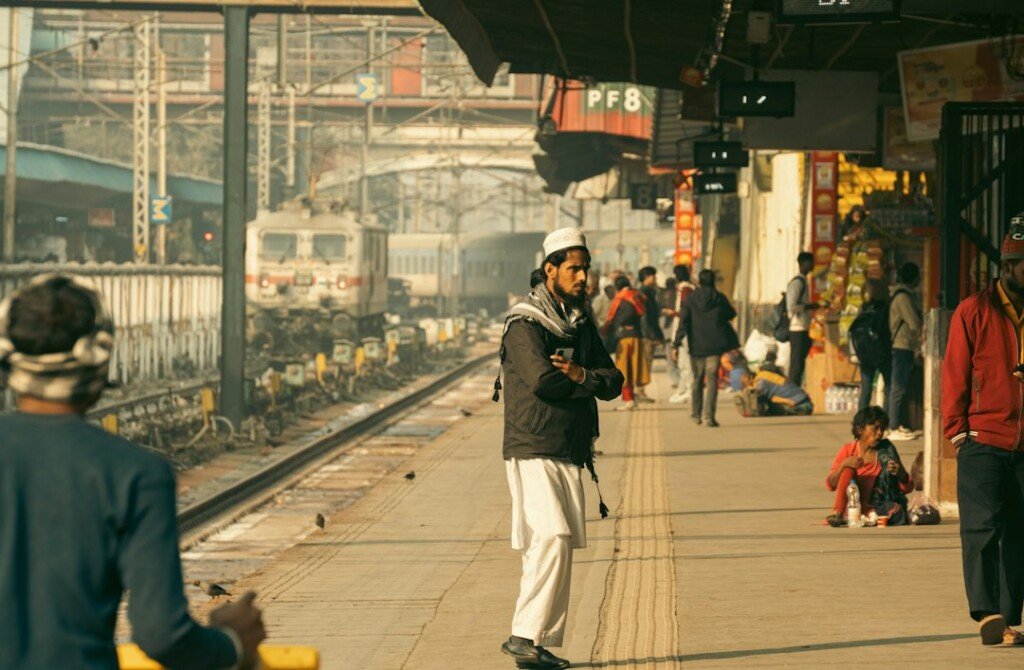

Kolkata has five main railway stations for long-distance and mail trains: Howrah, Sealdah, Kolkata (also known as Chitpur), Santragachi and Shalimar. Howrah and Sealdah are the two largest and busiest, serving most major routes: Howrah on the west bank of the Hooghly and Sealdah on the east side, close to the city centre. Kolkata station in the north of the city handles fewer trains, including the international Maitree and Bandhan Express services to Bangladesh. Santragachi and Shalimar lie on the Howrah side of the river and take some pressure off Howrah, with a number of trains towards southern and western India. Before you travel, check which station your ticket names, because arriving at the wrong terminal can cost an hour or more in a crowded city. This guide explains what each station is used for, how to reach it, and how to choose between them.
Kolkata Railway Stations at a Glance
| Station | Side of the city | Best known for |
|---|---|---|
| Howrah | West bank, Howrah | Most mail and express trains, suburban lines |
| Sealdah | Central-east Kolkata | Eastern and northern routes, large suburban network |
| Kolkata (Chitpur) | North Kolkata | Selected express trains, Maitree and Bandhan Express |
| Santragachi | Howrah district, south-west | Express trains to the south and west, eight platforms |
| Shalimar | Shibpur, Howrah | Several express trains to the south and east, three platforms |
Howrah Station: The Main Gateway
Howrah is the oldest and largest of the Kolkata railway stations and the one most visitors arrive at. It sits on the west bank of the Hooghly beside the Howrah Bridge, and it is linked to the rest of the city by the Green Line metro at Howrah Maidan, by buses, taxis and ferries. Because of its size, it is usually crowded, so allow extra time for finding your platform and for traffic around the approach roads. Our Howrah Station guide covers platforms, exits and onward transport in detail.
Sealdah Station: Closest to the City Centre
Sealdah is the other major terminal and is much closer to central Kolkata, Park Street and College Street than Howrah is. It also has one of the busiest suburban networks in the country, bringing commuters in from the north and south of the state. If your hotel is in central Kolkata, a train into Sealdah usually means a shorter last leg. The Sealdah Station guide explains the sections, the metro link and the exits. If you need to go between the two big terminals, see our comparison of Howrah to Sealdah options.
Kolkata (Chitpur) Station: The Quieter Terminal
Kolkata station, often called Chitpur, is in North Kolkata and is much quieter than Howrah or Sealdah. A limited set of trains use it, and it has been the departure point for the Maitree Express and Bandhan Express, the international services to Bangladesh. Check your ticket carefully if you are booked from Kolkata, because many people assume that the station of that name is the central one. Travel here is usually by taxi, app cab or bus, so plan your road journey in advance.
Santragachi Junction: Relief for Howrah
Santragachi Junction is in the Howrah district and falls under the South Eastern Railway zone. It has eight platforms and was developed to ease congestion at Howrah, so a number of weekly and bi-weekly express trains start here. Services listed for the station have included trains towards Chennai, Pune and Tirupati. It has road access via the Kona Expressway, a bus terminus and a taxi stand, but it is not directly on the metro, so budget extra time for the road leg into the city, especially at peak hours.
Shalimar Station: A Small Station on the Howrah Side
Shalimar is in Shibpur on the western bank of the Hooghly. It was once a goods yard and is now a three-platform station used by several long-distance express trains, including services towards Patna, Chennai, Puri and Gorakhpur. Taxi and toto stands are outside the station and buses stop nearby. If you are staying in the Shibpur area, you might also find our PG guide for Howrah useful.
How to Choose and Reach the Right Station
You rarely choose the station yourself, because it is set by the train you book. What you can control is the journey to and from it. For a late-night arrival, our guide to late night transport in Kolkata explains what runs after 10 pm. For fares between stations and your destination, see the auto and taxi fare guide. For suburban trains, read the local train guide. As a rule, allow at least 90 minutes before departure for a long-distance train from a big station, and a little less for the smaller ones.
Tips for Booking and Checking Train Details
Book through IRCTC and confirm the origin station code on your ticket before you leave. Platforms and running status can change at short notice, so use the official National Train Enquiry System for live information on the day. Station names can be confusing, since Howrah and Santragachi are both in the Howrah district, and Shalimar is also not in central Kolkata, so read the station code and not just the name.
Frequently Asked Questions
How many railway stations does Kolkata have?
Kolkata has five main stations for long-distance trains: Howrah, Sealdah, Kolkata (Chitpur), Santragachi and Shalimar. There are also many smaller suburban stations.
Which Kolkata railway station is nearest to the city centre?
Sealdah is generally the closest of the main terminals to central Kolkata, including Park Street and College Street.
Is Santragachi in Kolkata?
Santragachi is in the Howrah district, on the western side of the Hooghly. It is part of the greater Kolkata area but is not in the city centre.
Which station do trains to Bangladesh leave from?
The Maitree Express and Bandhan Express have operated from Kolkata (Chitpur) station. Check current running status before planning travel.
How early should I reach the station?
Aim for at least 90 minutes before a long-distance departure from Howrah or Sealdah, and allow extra time during festivals and rush hours.