



The Indian Botanic Garden Kolkata, officially the Acharya Jagadish Chandra Bose Indian Botanic Garden, sits across the Hooghly in Shibpur, Howrah, about 2 km from Howrah railway station. It is open every day except Monday, from 8:00 AM to 5:30 PM, with entry priced at roughly Rs 30 for Indian nationals (foreign nationals typically pay more, and a camera fee applies separately). Spread over 109 hectares (around 270 acres) and founded in 1787, the garden is home to more than 12,000 plant species and, most famously, the Great Banyan Tree, a single tree whose sprawling canopy has grown so wide it looks like an entire forest. Most visitors need two to three hours to see the main sections, and the garden works well as a half-day trip paired with nearby Howrah attractions.
What Is the Indian Botanic Garden?
Established in 1787 by Lieutenant Colonel Robert Kyd of the East India Company, the garden began as a plantation for spices, teak, and other commercially useful trees before growing into one of the most important botanical research institutions in Asia. It was later renamed after physicist and botanist Sir Jagadish Chandra Bose in recognition of his pioneering plant-science research, much of which was carried out on these grounds. Today the garden is managed by the Botanical Survey of India (BSI) under the Ministry of Environment, Forest and Climate Change, and it functions as both a public park and an active center for botanical research, herbarium collections, and plant conservation.
Indian Botanic Garden Kolkata Timings and Entry Fee
The garden is open daily except Monday, from 8:00 AM to 5:30 PM. Ticket counters usually stop selling entry passes about 30-45 minutes before closing, so it is worth arriving well ahead of that if you want to see the Great Banyan Tree and the lake sections without rushing.
- Entry fee for Indian nationals: around Rs 30 per person
- Entry fee for foreign nationals: around Rs 100 per person
- Camera charge: approximately Rs 300 for a still camera (mobile phone photography is generally allowed without an extra fee, but rules can change, so check at the counter)
- Closed on Mondays and on a few notified public holidays
These are the commonly quoted rates; ticket prices at government-run gardens are revised periodically, so it is sensible to confirm the current entry fee and camera charge at the gate or on the Botanical Survey of India’s official site before you go.
The Great Banyan Tree: Why It’s the Main Draw
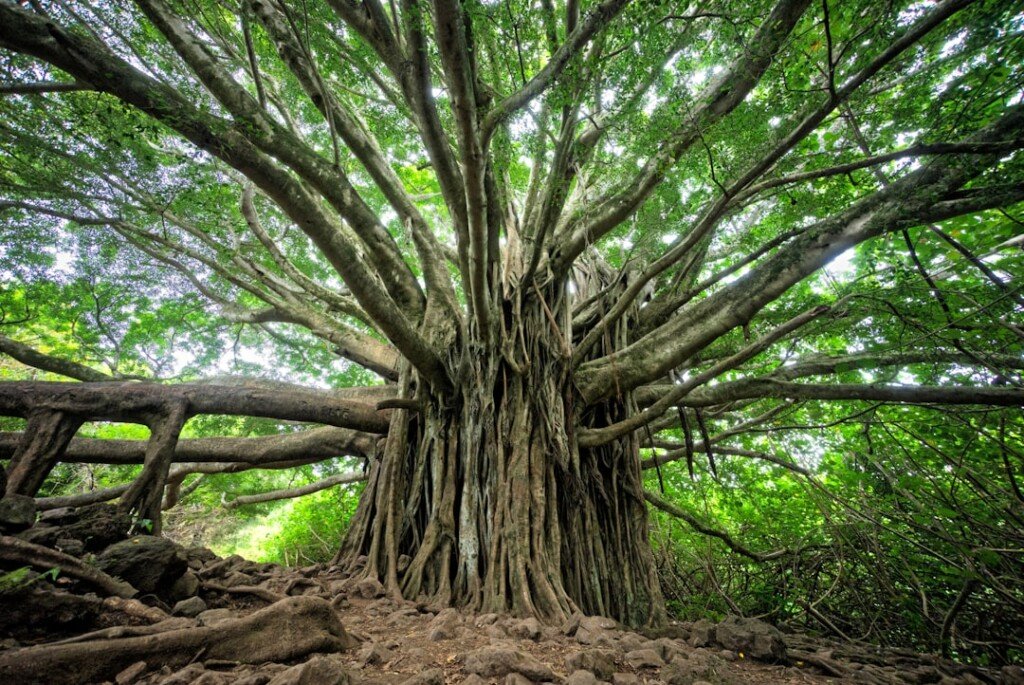
The single biggest reason people visit the Indian Botanic Garden Kolkata is the Great Banyan Tree, widely cited as the largest banyan tree canopy in the world. Estimated to be over 250 years old, it has grown so many aerial prop roots, reportedly more than 3,000, that they have thickened into what look like independent trunks, giving the impression of a small forest rather than a single tree. The canopy covers close to 1.89 hectares (about 4.67 acres) with a crown circumference of around 486 metres, and its tallest branches rise to roughly 24.5 metres. The tree’s original central trunk was removed in the early 20th century after storm damage and fungal infection, but the surrounding root system continued to thrive, and the tree keeps expanding outward every year. A circular walking path lets visitors walk right through the canopy of aerial roots, which is the highlight most people photograph.
How to Reach the Indian Botanic Garden from Kolkata
The garden is on the Howrah side of the river, so most routes involve crossing the Hooghly first, either via Howrah Bridge or a bit further downstream.
- From Howrah railway station: The garden is about 2 km away. An auto-rickshaw or app-cab takes roughly 10-15 minutes depending on traffic.
- By bus: Several CSTC and private buses running toward Shibpur and Botanical Garden / Sibpur stop close to the main gate; ask locally for a bus heading to “Botanical Garden” or “Sibpur.”
- By metro: There is no metro station directly at the garden. The nearest useful stations are on the Kolkata side; from there, plan on an auto or cab for the last stretch across the river. Check current auto and taxi fares by zone before you set out so you have a rough budget in mind.
- By app-cab or taxi from central Kolkata: Expect roughly 45 minutes to over an hour from areas like Park Street or Esplanade, depending on traffic on the bridges.
Because the garden sits close to the river, some visitors also combine the trip with a short ferry ride across the Hooghly for the views, then an auto for the final leg to the gate.
What Else to See Inside the Garden
Beyond the Great Banyan Tree, the garden rewards a slower walk through its other sections:
- Palm Avenue and Palm House: Rows of tall palms from different continents, one of the garden’s oldest planted collections.
- Orchid House: A dedicated section housing a colourful collection of orchid species.
- Lakes and water gardens: Ponds with water lilies and lotus, including a section known for giant Amazon lily pads.
- Herbarium and research blocks: Not always open to casual visitors, but a reminder that this is a working scientific institution, not just a park.
- Rose and medicinal plant sections: Smaller themed plots scattered around the grounds.
The garden is large, so most first-time visitors focus on the Great Banyan Tree, Palm Avenue, and the lake area rather than trying to cover all 109 hectares in one visit.
Best Time to Visit
Early morning, soon after the 8:00 AM opening, is the most comfortable time to visit, especially between March and September when Kolkata’s heat and humidity build up quickly through the day. Winter mornings, from November to February, are the most pleasant overall, with cooler temperatures and clearer light for photographs of the Great Banyan Tree. Weekdays are noticeably quieter than weekends, so if your schedule allows it, a weekday morning visit gives you more space to walk through the tree’s canopy without crowds.
Tips for Visiting
- Wear comfortable walking shoes; the garden is large and paths are mostly unpaved or gravel.
- Carry water and a hat or umbrella, since shaded seating is limited outside the tree-lined avenues.
- Keep small change handy for the entry ticket and camera fee.
- Combine the visit with nearby Howrah-side attractions such as Dakshineswar Kali Temple and Belur Math if you have a full day, since both are on the same side of the river.
- If you’re building out a longer Kolkata trip, see this one-day and weekend itinerary guide for how to slot the garden in alongside other sights.
- Respect the no-plastic, no-littering policy strictly enforced across the premises.
Frequently Asked Questions About the Indian Botanic Garden Kolkata
How far is the Indian Botanic Garden from Howrah station?
It’s about 2 km from Howrah railway station, roughly a 10-15 minute auto-rickshaw or cab ride depending on traffic.
Is the Indian Botanic Garden open on Mondays?
No, the garden is closed on Mondays. It’s open the rest of the week from 8:00 AM to 5:30 PM.
How old is the Great Banyan Tree?
The Great Banyan Tree is estimated to be more than 250 years old. Its original central trunk was lost to storm and fungal damage in the early 1900s, but its many aerial roots have continued to spread and thicken ever since.
How much time do I need to visit the Indian Botanic Garden?
Most visitors spend two to three hours covering the Great Banyan Tree, Palm Avenue, and the lake sections. Plant enthusiasts wanting to see the orchid house and other collections in detail should plan for closer to half a day.
Can I combine the Botanic Garden with other Howrah attractions in one day?
Yes. Because it’s on the Howrah side of the Hooghly, the garden pairs well with a visit to Belur Math and, for those interested in engineering and river views, a stop at Howrah Bridge on the way back into central Kolkata.