


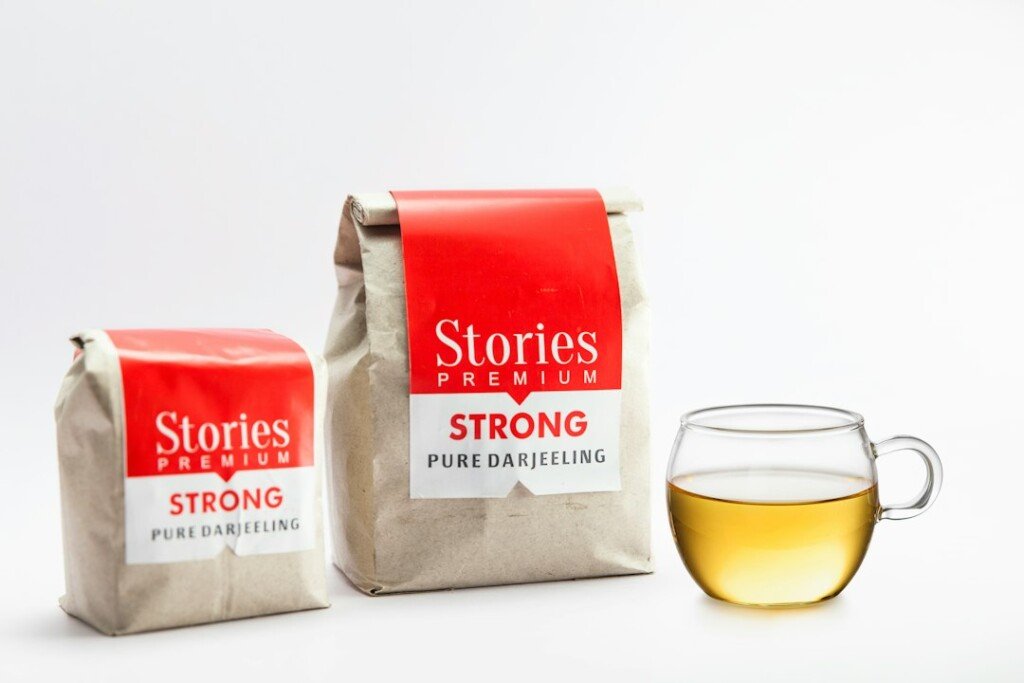

The best Kolkata souvenirs are the ones the city is actually known for: Darjeeling tea, Bengali sweets such as sandesh and rosogolla, hand-embossed Santiniketan leather bags, conch-shell (shankha) bangles, Baluchari and tant sarees, dokra and terracotta craft, and books from College Street. Where you buy matters as much as what you buy. For fixed prices and guaranteed authenticity, go to the state emporiums at Dakshinapan (Dhakuria), the Biswa Bangla stores on Park Street and at the airport, or Bengal Home Industries on Camac Street. For bargains and variety, walk Gariahat or New Market. Budget roughly Rs 200 to Rs 500 for small gifts like bangles, tea tins and leather wallets, Rs 800 to Rs 3,000 for a good handloom saree or embossed bag, and more for dokra sculpture or silk. This guide lists what to take home, where each item is sold, rough prices, and how to carry sweets and tea safely.
Kolkata souvenirs at a glance: what to buy and where
Kolkata does not have a single souvenir street. Instead, each kind of gift has its own natural home. Tea is best bought from a dedicated tea shop, sweets from a heritage mishti shop on the morning you leave, crafts from an emporium or a trusted co-operative, and sarees from Gariahat or a state handloom store. The sections below go through each category, with the specific shops and markets that locals send visitors to. Prices are indicative and move with season and quality, so treat them as a guide and confirm at the counter.
Darjeeling tea: the easiest gift to carry
Kolkata was the trading capital of Indian tea for over a century, and the tea auctions and garden head offices still sit here. That makes it one of the best cities in India to buy Darjeeling and Assam tea at a fair price with proper advice. Tea is light, does not spoil, and clears airport security without fuss, which is why it tops most souvenir lists.
Where to buy tea in Kolkata
Dolly’s The Tea Shop at G-62, Dakshinapan (Dhakuria) is the classic choice. Founded in 1988 by Dolly Roy, India’s first woman tea taster, it sells loose-leaf Darjeeling, Assam and flavoured blends by the 100 g packet, and you can taste a cup before you buy. It is open Monday to Saturday, roughly 10:30 am to 7:30 pm, and closed on Sunday. Tea packets typically start around Rs 200 to Rs 300 for 100 g of a decent Darjeeling and rise with grade and flush, so ask for a second-flush muscatel if you want something distinctly Darjeeling. For a broader look at the city’s tea culture, see our guide to the best tea shops in Kolkata.
If you are short on time, the Biswa Bangla stores inside the security hold areas of both the domestic and international terminals at Kolkata airport stock gift-packed Darjeeling tea alongside handicrafts. Prices are higher than Dakshinapan, but the packaging is gift-ready.
Bengali sweets: sandesh, rosogolla and what actually travels
Sweets are the most requested gift from Kolkata and the trickiest to carry. Fresh chhena sweets such as rosogolla, jolbhora sandesh and mishti doi are best eaten within a day or two. Buy them on the morning you leave, ask for a sealed box, and keep them cool. Shops report that nolen gur jolbhora sandesh keeps roughly five to seven days in summer and six to eight in winter if refrigerated, but the flavour is best on day one.
Sweets that survive a long journey
For a flight or an overnight train, choose the drier options: kara pak (hard-set) sandesh, tinned rosogolla from K.C. Das (the shop credited with canning rosogolla), or packaged goja and gaja. Nolen gur (date-palm jaggery) sweets are a winter speciality, generally available from around November to the end of January, and are the gift Bengalis living outside the state most miss. The heritage names to look for are Balaram Mullick and Radharaman Mullick in Bhowanipore, Girish Chandra Dey and Nakur Chandra Nandy in Hedua (North Kolkata), Bhim Chandra Nag near Bowbazar and K.C. Das in Esplanade. A 500 g box of good sandesh usually costs somewhere between Rs 250 and Rs 500 depending on the shop and variety; nolen gur items cost more.
Handicrafts: dokra, terracotta, sola and kantha
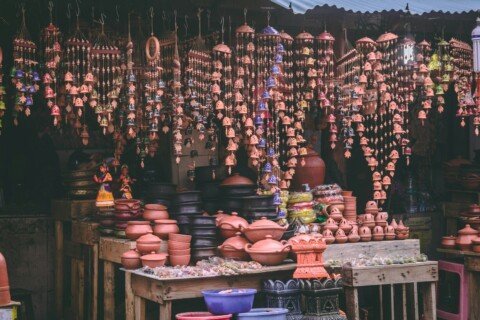
Bengal’s craft traditions are strong and distinct. Dokra is lost-wax brass casting from Bankura and Bardhaman, sold as small figurines, jewellery and wall pieces. Terracotta from Bishnupur comes as the famous Bankura horse and as tiles and lamps. Sola (shola pith) is a white, feather-light craft used for decorative headpieces and ornaments. Kantha is running-stitch embroidery on cotton and silk, sold as stoles, sarees and cushion covers. All of these are easy to carry except large terracotta, which needs careful packing.
Best places to buy handicrafts in Kolkata
Three fixed-price options are the safest. Dakshinapan Shopping Complex at 2 Gariahat Road (South), Dhakuria, houses state government emporiums from across India, including Bengal’s own Manjusha, plus khadi and handloom outlets; it is open roughly 11 am to 8 pm, opens late on Monday afternoons and stays closed on Sunday, so plan around that. Read our full Dakshinapan shopping complex guide for the layout. Biswa Bangla, the West Bengal government’s craft brand, has stores at 17 Mother Teresa Sarani (Park Street area), at Dakshinapan, at Eco Park in New Town and at the airport; quality is consistent and prices are fixed. Bengal Home Industries Association on Camac Street, founded in 1916 with the artist Gaganendranath Tagore as its first honorary secretary, is a quieter, older option with jute, sola, dokra, wood and textile work sourced from craftsmen directly.
Small dokra pieces generally start around Rs 300 to Rs 500, kantha stoles from around Rs 800, and Bankura horses from under Rs 200 for palm-sized ones. For a deeper dive into each craft and the markets that sell them, see our guide to buying Bengali handicrafts in Kolkata.
Santiniketan leather bags and Sreeleathers
Santiniketan leather is vegetable-tanned and hand-embossed with batik-style floral and geometric patterns in earthy colours. Bags, wallets, belts and diary covers are light, useful and unmistakably Bengali, which makes them ideal gifts. In Kolkata the best-known place to hunt for them is the Gariahat pavement, where dedicated stalls sell embossed totes and sling bags; local listings put typical prices between roughly Rs 250 and Rs 1,250 depending on size and finish. Dakshinapan and Biswa Bangla stock a more curated, slightly pricier range.
For plain leather, Sreeleathers at 3 and 4 Lindsay Street (beside New Market) is a Kolkata institution that started as a small footwear shop and now sells affordable leather shoes, bags, belts and wallets. It is a practical stop if you want a gift that is well made rather than decorative.
Shankha bangles and conch-shell craft
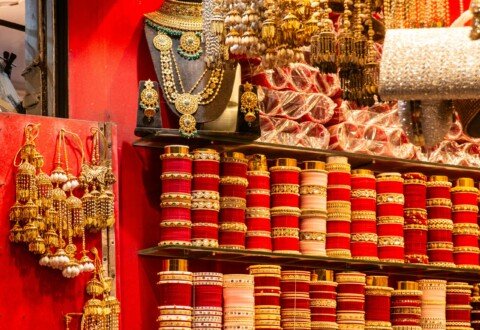
Shankha (white conch-shell bangles) and pola (red lacquer bangles) are worn by married Bengali women and are one of the most recognisable Bengali objects. Carved shankha bangles, conch-shell pendants and small decorative conches make compact, inexpensive gifts. Look for them in Gariahat market, at Hatibagan in North Kolkata, and at the conch-shell shops near Kalighat temple. Plain pairs start around Rs 100 to Rs 200; finely carved ones cost several hundred rupees or more. Check for cracks and ask the seller to wrap them well, since shell is brittle.
Sarees and handloom: tant, Baluchari and Dhakai
How much does a Bengali saree cost as a gift?
A cotton tant saree from Shantipur or Phulia is the most affordable and everyday-wearable gift, typically starting around Rs 500 to Rs 1,500 for a good handloom piece. Dhakai jamdani cottons and cotton-silk blends move into the Rs 2,000 to Rs 8,000 range. Baluchari silks from Bishnupur, with their woven mythological scenes on the pallu, usually start upwards of Rs 8,000 and can run much higher. Gariahat market on Rash Behari Avenue is the place for range and bargaining; Dakshinapan’s Tantuja and Tantushree outlets and Biswa Bangla offer fixed prices and reliable handloom certification. Our guide to traditional Bengali sarees covers each weave and where it is best bought.
Books, prints and Kolkata-themed gifts
College Street (Boi Para) is Asia’s largest second-hand book market, and a well-chosen book makes a very Kolkata gift: a Tagore collection, a Satyajit Ray screenplay, a Feluda or Byomkesh paperback in English translation, or an old Penguin found in a pavement stack. Prices for second-hand paperbacks often start under Rs 100. Nearby, the Indian Coffee House is a good place to sit with your finds. For contemporary Kolkata design, Biswa Bangla and several independent stores around Park Street and Hindustan Park sell tram and yellow-taxi prints, Durga-themed stationery, terracotta jewellery and jute bags in the Rs 150 to Rs 800 band.
New Market and Gariahat vs. emporiums: where should you shop?
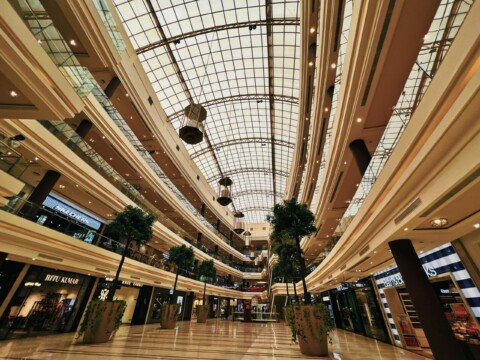
If you have one afternoon, choose based on how you like to shop. Emporiums (Dakshinapan, Biswa Bangla, Bengal Home Industries) give fixed prices, quality control and air conditioning, and you can finish in an hour. Markets give lower prices, wider variety and the pleasure of the hunt, but you need to bargain and inspect. New Market near Esplanade is best for dry fruits, spices, Nahoum’s bakery items, cheap jewellery and a little of everything; our New Market guide explains how to bargain there. Gariahat is best for sarees, shankha, Santiniketan leather and costume jewellery. Many visitors do both: Dakshinapan for the big-ticket item, Gariahat for the small gifts. For a broader overview of the city’s markets and malls, see the Kolkata shopping guide.
Practical tips for carrying Kolkata souvenirs home
Keep sweets in cabin baggage and eat fresh chhena sweets within a day; choose tinned rosogolla or kara pak sandesh for anything longer. Tea and dry snacks are fine in checked bags. Wrap terracotta and shankha in clothing at the centre of your suitcase. Carry cash for market stalls (UPI is widely accepted but not universal) and ask for a bill at emporiums, which helps if a handloom item needs to be exchanged. Most markets shut one day a week, so check before you go: Dakshinapan closes on Sunday, New Market’s core shops are largely closed on Sunday afternoons, and Gariahat is quiet on Thursday. The official West Bengal Tourism page on Biswa Bangla stores lists current outlets if you want to confirm locations before travelling.
Frequently asked questions about Kolkata souvenirs
What is Kolkata most famous for buying?
Darjeeling tea, Bengali sweets (rosogolla, sandesh, mishti doi), handloom sarees such as tant and Baluchari, Santiniketan embossed leather, shankha bangles, dokra and terracotta craft, and second-hand books from College Street are the items most closely associated with the city.
Where can I buy authentic Bengal handicrafts in Kolkata at fixed prices?
Dakshinapan Shopping Complex in Dhakuria, the Biswa Bangla stores (Park Street, Dakshinapan, Eco Park and the airport) and Bengal Home Industries Association on Camac Street all sell certified craft at fixed prices with no bargaining.
Can I carry Bengali sweets on a flight from Kolkata?
Yes. Solid sweets are allowed in cabin baggage on domestic flights. Choose drier varieties or tinned rosogolla for journeys over a day, keep boxes sealed, and refrigerate on arrival. Mishti doi in clay pots is fragile and best avoided unless the shop packs it for travel.
What can I buy in Kolkata under Rs 500?
A 100 g packet of Darjeeling tea, a Santiniketan leather wallet or small pouch, a pair of shankha bangles, a Bankura terracotta horse, a jute bag, a box of sandesh, or a couple of second-hand paperbacks from College Street all fit comfortably within Rs 500.
Which day are Kolkata’s souvenir markets closed?
Dakshinapan is closed on Sunday and opens only in the afternoon on Monday. Gariahat’s shops mostly shut on Thursday. New Market runs six days with reduced Sunday hours. Biswa Bangla airport stores operate daily. Always confirm timings before a special trip, as hours change around festivals.