



This Dakshineswar Belur Math guide answers the question most visitors ask first: can you see both in one trip? Yes. Dakshineswar Kali Temple sits on the east bank of the Hooghly in north Kolkata, and Belur Math sits almost directly across the river on the west bank in Howrah district. Most people finish both in a single half-day or full morning, travelling between them by road, by a river crossing where one is running, or by a short taxi ride over the Bally Bridge area. The easiest route is to start early at Dakshineswar, which the Blue Line metro now serves directly, then cross to Belur Math before it closes for its afternoon break. Both are active religious sites, so modest clothing, quiet behaviour and patience with queues matter more than any itinerary trick. Exact darshan and visiting hours change with season and festivals, so check the official notice before you go.
How Dakshineswar and Belur Math Are Connected
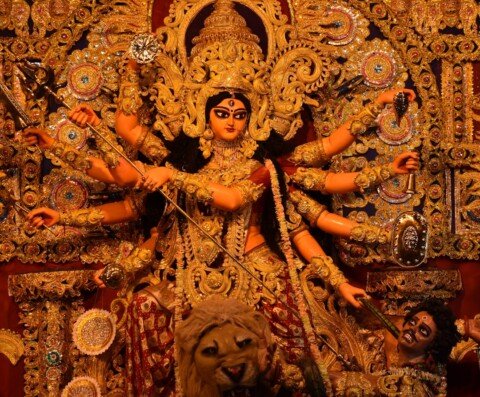
Both places are tied to Sri Ramakrishna and the Ramakrishna movement. Dakshineswar Kali Temple is where Ramakrishna served as a priest in the nineteenth century, and the compound includes the main Bhavatarini Kali temple, a row of Shiva temples along the river, and the room associated with Ramakrishna. Belur Math is the headquarters of the Ramakrishna Math and Mission, founded by Swami Vivekananda, and is known for its architecture that blends Hindu, Islamic and Christian motifs. Visiting both gives you the devotional and the institutional sides of the same story.
Dakshineswar Kali Temple: What to Expect
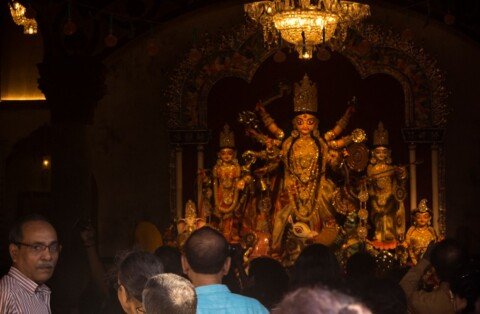
Dakshineswar opens very early in the morning, closes for a midday break, and reopens in the afternoon until the evening. Weekends, Thursdays and festival days draw the longest queues, so a weekday morning is the calmest option. Plan for shoe storage near the entrance, a security check, and a slow queue to the sanctum. Phones and cameras are usually restricted inside the main temple, so carry as little as you can. Many visitors buy a small offering of flowers and sweets from the stalls outside, and prices there are informal, so confirm the rate before you pick anything up.
Belur Math: What to Expect
Belur Math is more of a quiet campus than a crowded temple. Entry is generally free, and the grounds include the main temple dedicated to Sri Ramakrishna, the Vivekananda temple, a museum and a riverside ghat. The morning and late afternoon sessions are the usual visiting windows, with a closed gap in the middle of the day. Evening aarti is the main draw if you can time it. The institution publishes current timings and visitor guidelines on its official website, belurmath.org, and those notices should override anything quoted in a guide.
How to Reach Dakshineswar from Central Kolkata
The simplest option is the Kolkata Metro Blue Line, which now runs to Dakshineswar at its northern end. Our Blue Line guide covers stations, fares and timings, and the first and last metro timings by line page helps you plan an early start. From the station, the temple is a short walk or a brief auto ride. If you prefer road transport, app taxis and autos from the city centre take longer but avoid interchanges, and journey time depends heavily on traffic on the Barrackpore Trunk Road and Kolkata’s northern corridors.
How to Get from Dakshineswar to Belur Math
There are three practical choices. A taxi or app cab over the Vivekananda Setu or Bally Bridge is the most dependable, and it usually takes under an hour depending on traffic. A river crossing between the two ghats is the most scenic and has been run as a seasonal or festival service, but it is not guaranteed every day, so ask locally or check our Hooghly ferry guide before relying on it. Buses and shared autos also connect the two banks through Howrah, and they are the cheapest but slowest option.
Best Time to Visit and What to Wear
Winter, from roughly November to February, is the most comfortable season for walking the open compounds. Summer afternoons are hot and monsoon days can mean slippery floors and delays. Both sites expect covered shoulders and knees, and many visitors carry a light scarf or dupatta. Leave large bags, food and electronics at your hotel where you can, since storage near the entrances is basic. Our best time to visit Kolkata guide has the month-by-month picture.
A Simple Half-Day Plan
Reach Dakshineswar soon after it opens, finish the queue and the riverside temples, then move to Belur Math for its late morning session. Keep a buffer of about an hour for traffic. If you have a free afternoon, pair this with the places in our Kolkata itinerary or a southern stop such as Kalighat Temple on another day rather than rushing all three together.
Frequently Asked Questions
Can I visit Dakshineswar and Belur Math on the same day?
Yes. Most visitors do both in one morning or half-day, starting at Dakshineswar and then crossing to Belur Math. Allow extra time for queues and traffic between the two banks.
Is there an entry fee at Belur Math or Dakshineswar?
Entry to both is generally free, though small charges may apply for shoe storage or special sections. Confirm current rules locally.
Is photography allowed?
Photography is usually restricted inside the main temples and sanctum areas at both sites. Follow the signs and staff instructions in each section.
How do I get from Dakshineswar to Belur Math?
A taxi or app cab is the most reliable choice. A river crossing may run on some days, and buses through Howrah are cheaper but slower.
What is the best day to avoid crowds?
Weekday mornings are calmest. Avoid Sundays, Thursdays and festival days at Dakshineswar if you want shorter queues.